
Archaeologists Thought These Cannibalistic Ancient Humans Ate Children. They Were Only Half Right.

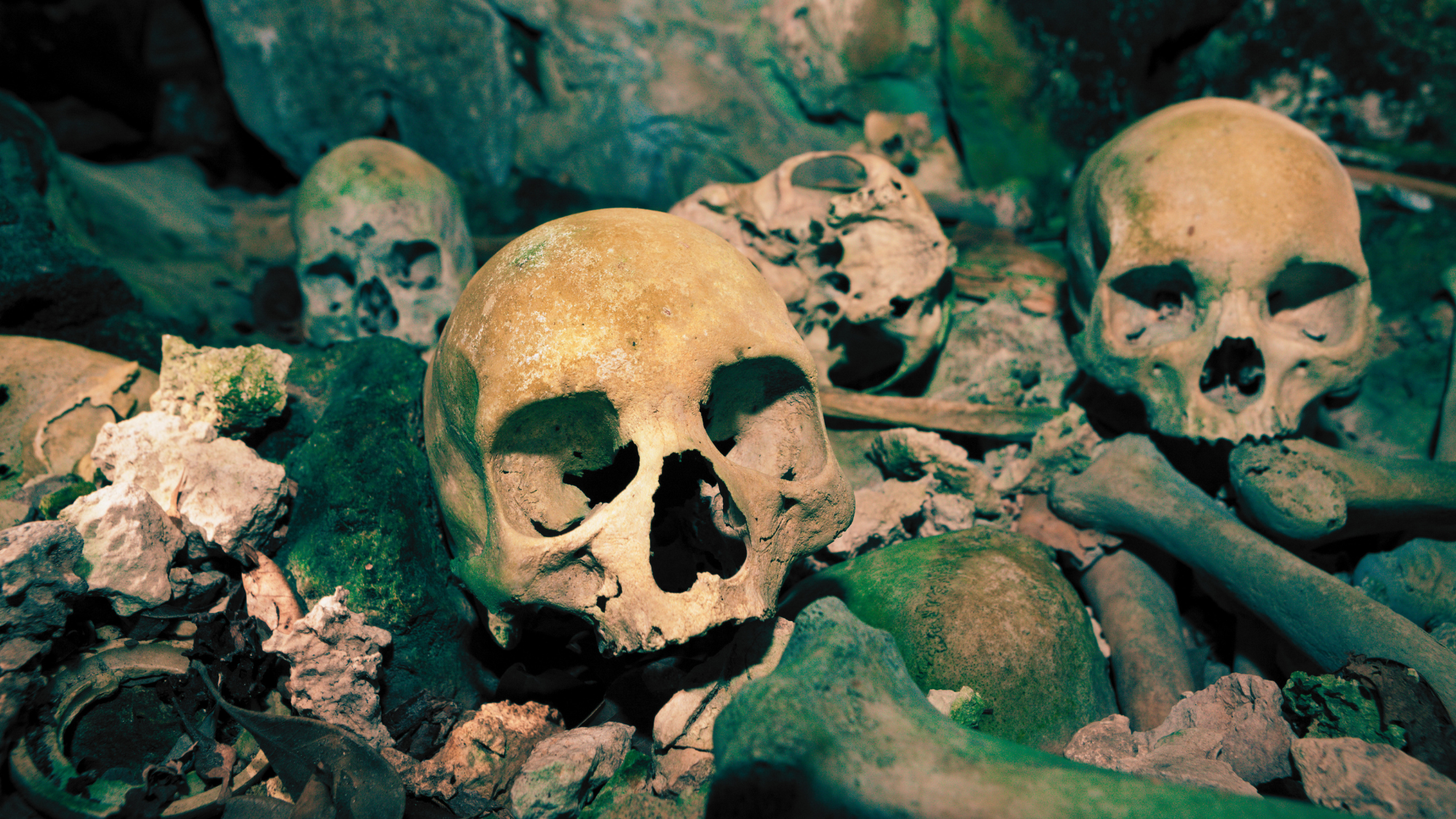
You may be familiar with some of humanity’s early relatives, like Homo erectus or Neanderthals. One you might not be familiar with, but whose name is a little too on-the-nose, is Homo antecessor, one of the oldest known human relatives in Europe. Fossil evidence has long suggested these ancient ancestors of ours were cannibals who ate children.
New evidence suggests that this simply isn’t true.
They also ate adults.
According to findings by the Catalan Institute of Human Paleoecology and Social Evolution, archaeologists excavating Spain’s Gran Dolina cave uncovered 24 new Homo antecessor fossils dating back roughly 850,000 years. Among them were bones from at least six adults whose ones bore cut marks made by stone tools…the very same marks researchers have associated with animal butchery. Combined with some previous discoveries, the site is home to the remains of at least 13 people, half of them adults.
Homo antecessor Didn’t Just Eat Other Humans, They Ate Animals Too
For a while there, all that evidence of butchered juveniles naturally led researchers to assume that children were always the top spot on their menu, probably because they were easier to catch during conflicts with rival groups. The new evidence suggests that their diet was still cannibalistic, just with a more diverse age range.
They weren’t exclusively cannibals, as the cave also had bones of horses, deer, rhinos, hyenas, and a lot of the other animals they processed using the same techniques found on human remains, knife work likely conducted with the stone tools found at the same site. As if that weren’t enough evidence, the researchers also identified human bite marks on some bones. The only evidence that would make this even clearer is finding a Homo antecessor skull with a bit of a person between its teeth.
As for why Homo antecessor ate its own, when it clearly had access to a broad menu of wild animals, the researchers aren’t sure, but they were pretty sure this is one of the clearest cases of prehistoric cannibalism ever found.