

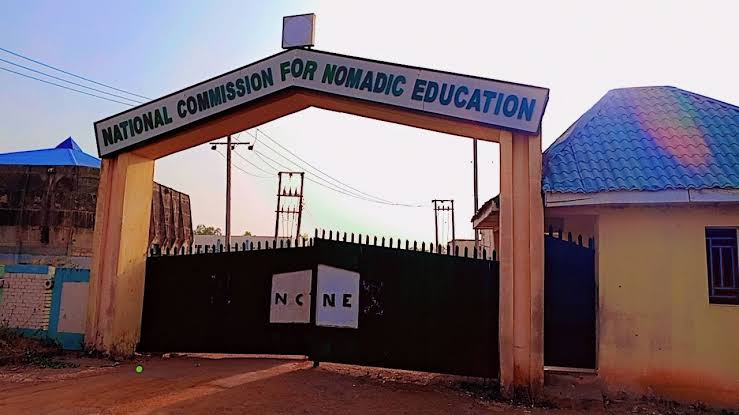
At least 5.2 million children from nomadic communities across Nigeria remain out of school, the National Commission for Nomadic Education (NCNE) has revealed.
Umar Ardo, Director of Extension Education and Skills Development, disclosed the figure during a high-level stakeholders’ engagement and advocacy visit organised by the National Commission for Almajiri and Out-of-School Children Education on Monday in Kaduna.
Representing the NCNE Executive Secretary, Bashir Usman, Mr Ardo explained that the affected children include those of nomadic pastoralists, migrant fishermen, and migrant farmers – groups whose itinerant lifestyles render conventional schooling largely inaccessible.
He cited occupational mobility, climate change, and related challenges as significant barriers excluding nomadic children from formal education. The commission, he noted, was established specifically to deliver basic and functional education to disadvantaged and marginalised populations nationwide.
Recent research conducted by the NCNE across six states and the Federal Capital Territory (FCT) identified more than 61,000 nomadic out-of-school children in Jigawa, Gombe, Niger, Enugu, Cross River, Oyo, and the FCT alone.
Mr Ardo called for urgent intervention, particularly through alternative learning pathways tailored to nomadic communities. He highlighted the Accelerated Basic Education Programme (ABEP) as a promising model, enabling children to complete basic education within a condensed three-year period – equivalent to the conventional six-year primary cycle – provided adequate funding, trained facilitators, infrastructure, and appropriate curriculum development are in place.
Such programmes, he said, would allow learners to transition to secondary education or acquire relevant vocational skills. The commission is already collaborating with states, including Kaduna, to establish learning centres closer to nomadic settlements.
Emphasising the critical role of reliable data, Mr Ardo stressed that accurate information on the location and educational needs of nomadic children would enable governments to effectively engage parents, community leaders, local authorities, and other stakeholders in re-enrolling children.
Education, he reiterated, remains a shared responsibility across federal, state, and local governments, as well as non-governmental organisations. He urged stakeholders to design interventions that reflect the unique circumstances of nomadic communities.
For children unable to pursue secondary education, Mr Ardo advocated vocational training in livestock rearing, fishing, and farming – skills that could be developed into sustainable livelihoods. Combining education with practical competencies, he said, would foster self-reliance and potentially generate employment opportunities for others.
Mr Ardo expressed optimism that strengthened collaboration among governments and stakeholders would substantially reduce the number of nomadic children currently excluded from education, bridging educational gaps while preserving the productive heritage of nomadic communities.