

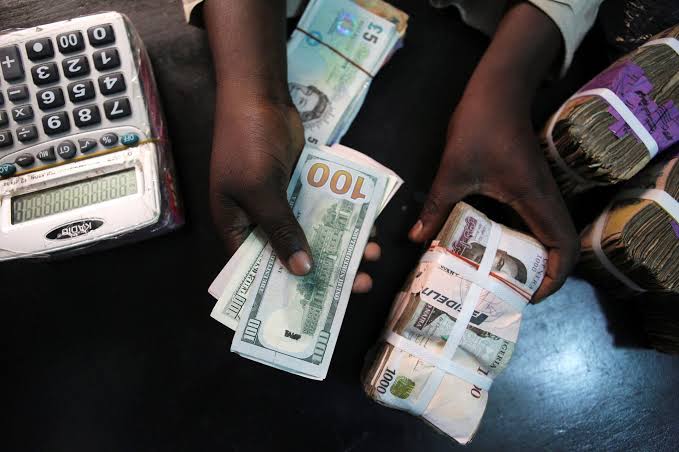
The Nigerian naira traded at ₦1,346.90 per US dollar in the official market on Tuesday, August 25, 2026, while the parallel market quoted the dollar at about ₦1,400.
The latest figures indicate that the gap between both markets remains relatively narrow, despite continued demand for foreign exchange.
The Nigerian Foreign Exchange Market (NFEM) rate was around ₦1,346.49/$, according to the latest available data.
A live USD/NGN benchmark also stood near ₦1,347.26/$ on Tuesday morning, keeping the currency close to its recent official-market level.
Official market remains stable
The Central Bank of Nigeria (CBN) says the NFEM rate is calculated using the volume-weighted average of transactions conducted in the official foreign exchange market.
The naira has maintained a relatively stable position in recent trading sessions after recording gains against the dollar.
On August 21, the NFEM rate stood at ₦1,346.49/$, while the official closing rate was ₦1,346.90/$.
The currency traded between ₦1,342 and ₦1,348 during that session.
Dollar sells for ₦1,400 on the street
In the parallel market, the dollar was trading at approximately ₦1,400 on Tuesday, based on the latest Aboki Forex data.
This places the parallel-market premium at about ₦53.10 above the most recent official closing rate.
At the ₦1,400/$ rate, $100 is worth about ₦140,000, while $1,000 would exchange for approximately ₦1.4 million.
The relatively limited difference between the two markets suggests that foreign exchange volatility remains contained compared with previous periods of sharp naira pressure.
Reserves support naira
Improved foreign exchange liquidity and stronger external reserves have provided support for the naira in recent weeks.
Recent CBN data cited in market reports put Nigeria’s external reserves at approximately $52.66 billion as of August 19.
However, the actual dollar-to-naira rate available to customers may vary between banks, Bureau de Change operators and other foreign exchange outlets.
Transaction size, location, dollar availability and market conditions can also affect the rate offered.
Parallel-market rates may change several times during the day as demand and supply conditions shift.