

German luxury sports car manufacturer Porsche has announced plans to eliminate an additional 5,000 jobs by 2035 as part of a long-term strategy aimed at improving competitiveness and strengthening its business.
The company, a subsidiary of the Volkswagen Group, unveiled the plan on Monday, saying the workforce reduction would be carried out through measures such as natural attrition, retirements, voluntary severance packages and expanded partial retirement programmes.
The latest announcement comes on top of job cuts already disclosed last year, bringing the total number of planned workforce reductions to about 8,900 positions from a workforce of more than 30,000 employees.
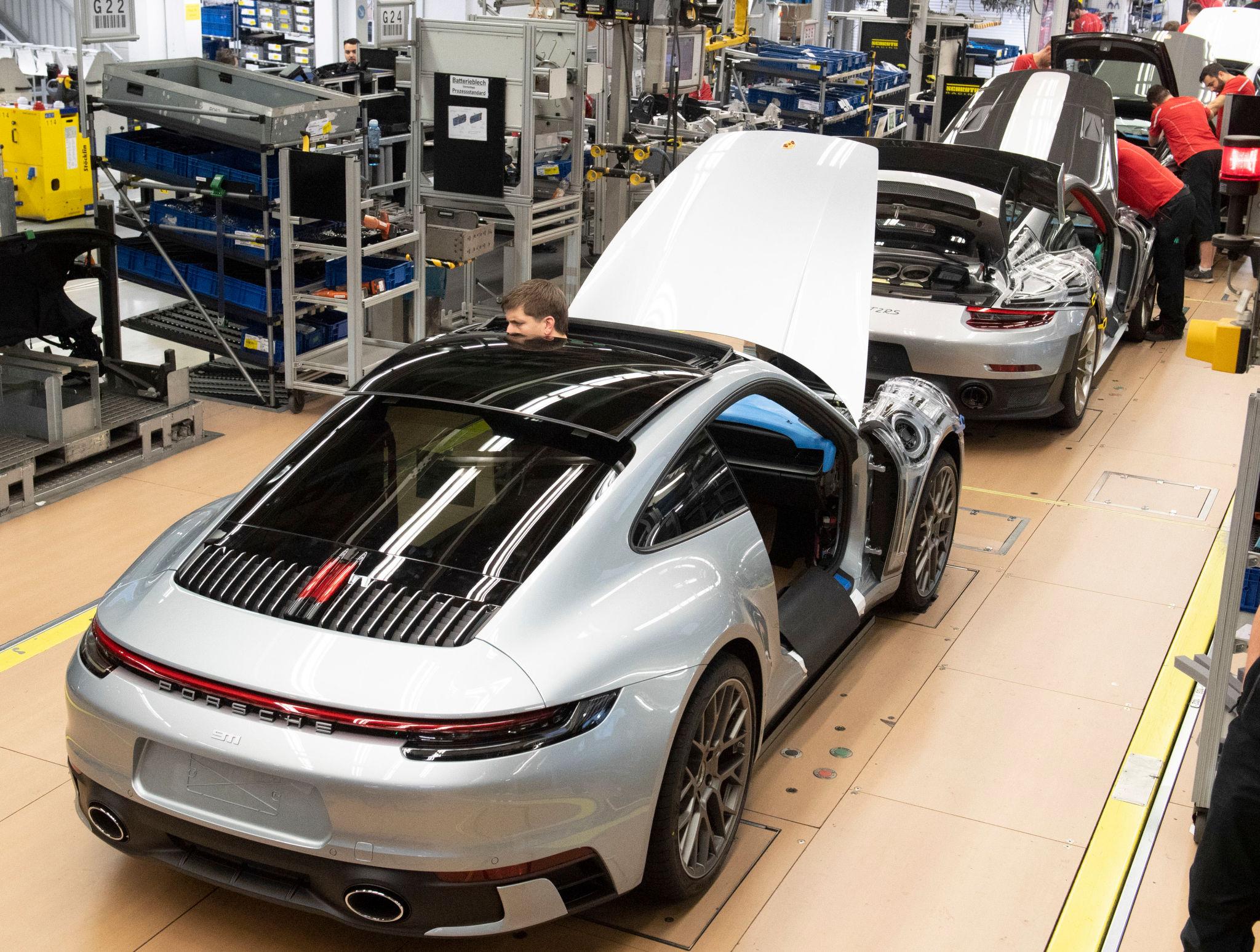
Despite the planned cuts, Porsche said it intends to invest €2.1 billion by 2035 in its production facilities at Zuffenhausen and Weissach, both located near Stuttgart.
According to the company, employees at the two sites will continue to benefit from job and site protection agreements until 2035 following negotiations with workers’ representatives and trade unions.
Porsche said the objective of the restructuring is to improve the company’s competitiveness while protecting as many long-term jobs as possible.
The restructuring package also includes additional cost-saving measures. These include postponing wage increases until 2035 and freezing base salary increases for senior executives in 2027 and 2028.
The development comes as Porsche faces mounting financial pressure from several fronts.
The automaker has experienced a sharp decline in sales in China, where domestic electric vehicle manufacturers have gained significant market share. It has also been affected by tariffs in the United States and the high costs associated with its transition to electric vehicles.
Earlier reports showed that Porsche slowed its shift towards an all-electric lineup after demand for electric vehicles fell below expectations.
The company delayed the launch of some battery-powered models while extending the production life of selected petrol-powered and hybrid vehicles, a decision that also affected the wider Volkswagen Group’s financial performance.
Industry analysts say the latest restructuring reflects the growing challenges facing global automakers as they balance investments in electric mobility with changing consumer demand and increasing competition.