

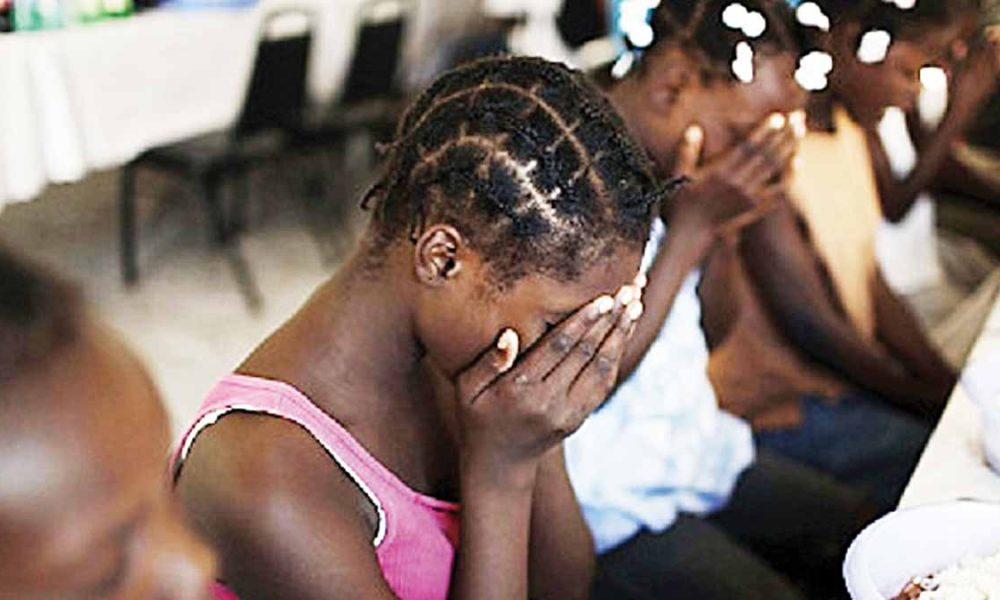
Despite years of anti-trafficking campaigns, border surveillance and rescue operations by the National Agency for the Prohibition of Trafficking in Persons (NAPTIP), the Nigerian Immigration Service (NIS) and other security agencies, human trafficking syndicates continue to recruit, transport and exploit Nigerian girls across West Africa with alarming ease.
From the forests of Mali to brothels in Côte d’Ivoire, survivors’ testimonies reveal a sophisticated criminal network that preys on poverty, unemployment and desperation, luring young women with promises of legitimate jobs before forcing them into prostitution under brutal conditions.
Recent accounts from victims rescued in Mali and Côte d’Ivoire expose a disturbing pattern of deception, debt bondage and alleged collusion that experts warn could be fueling one of the region’s fastest-growing trafficking routes.
A Cry for Help From the Forests of Mali
The latest alarm was triggered after a video posted on TikTok by a Nigerian woman trapped in Mali went viral.
Speaking from what appeared to be a makeshift settlement hidden inside a forest, the woman pleaded with the Nigerian government to rescue dozens of young Nigerian women allegedly being held by traffickers.
According to her, the victims were confined in isolated shanties surrounded by dense vegetation, making escape almost impossible.
“This is where they dumped us after crossing several borders,” she said, pointing to the crude shelters.
“There are no houses around us. Anybody can come here, kill us and disappear.”
She alleged that the traffickers promised many of the girls lucrative jobs in mining, domestic work and other legitimate occupations before transporting them across multiple borders into Mali.
Upon arrival, however, they were allegedly forced into prostitution and told they owed transportation debts running into millions of naira.
READ ALSO: Exposing Nigeria’s maritime human trafficking routes as Navy rescues two victims
According to the woman, traffickers demanded payments of N5 million or more before victims could regain their freedom.
She also displayed images of a pregnant Nigerian woman whom she claimed had already paid more than N2.5 million to her traffickers but had been abandoned and was now suffering severe mental distress.
The woman further alleged that traffickers continued bringing new victims into Mali almost every week and accused some border officials of accepting bribes to facilitate illegal crossings.
Those allegations have not been independently verified by authorities.
False Promises, Real Nightmare
The testimonies emerging from Mali mirror stories told by five Nigerian women recently rescued from trafficking syndicates in Côte d’Ivoire.
The victims said they accepted what they believed were genuine employment offers in baking, hairdressing, clothing sales and domestic work.
Instead, they found themselves trapped in brothels.
One of the survivors, 17-year-old Monica Emmanuel from Benue State, said she was promised a baking job before being transported from Kaduna to Lagos and eventually smuggled through remote villages into Côte d’Ivoire.
Only after crossing the border did she realise she had become a victim of human trafficking.
“We were locked inside a room,” she recalled.
“They warned us never to tell our parents the truth.”
Monica said victims were forced to tell relatives they were safe whenever they managed to speak on the phone.
When one of the girls attempted to report the traffickers, their captors allegedly confiscated everyone’s phones and threatened to sell them to another trafficking network.
Ten to Eleven Men Every Day
The rescued girls described horrifying conditions.
According to them, they were compelled to have sex with between 10 and 11 men daily, while traffickers confiscated every franc they earned.
Victims also alleged they had to buy condoms with their own money.
Food, clothing, slippers and other basic necessities were deducted from their earnings, leaving them permanently indebted.
Another survivor, Juliet Timothy, said traffickers even forced victims to record smiling videos for their families to hide the abuse they were enduring.
READ ALSO: How fake job offers lured Nigerian women into sex trafficking in Côte d’Ivoire
“They took the phone from me when I started crying,” she said.
“They wanted my parents to believe I was okay.”
Several survivors also claimed traffickers demanded millions of naira before granting them freedom and threatened to sell them elsewhere if they resisted prostitution.
The Rescue Operation
Their escape only became possible after some victims secretly contacted sympathetic Nigerians and local officials.
The information eventually reached NAPTIP’s Lagos Zonal Command, which coordinated with the Global Anti-Human Trafficking Organisation (GAHTO) and authorities in Côte d’Ivoire.
A joint rescue operation involving GAHTO representatives and local officials secured the victims in Djiboroso and Boundiali before they were transferred to social welfare authorities and later repatriated to Nigeria.
The rescued women are now receiving support while investigations continue.
A Criminal Enterprise Worth Millions
Investigators say trafficking syndicates operate like organised businesses.
Recruiters identify vulnerable young women, transporters move them across borders, while “madams” and handlers control victims at their destinations.
Victims are then forced to repay inflated transportation debts through prostitution, with traffickers collecting virtually all proceeds.
Many never escape.
Experts believe the networks continue to flourish because of poverty, weak border enforcement, corruption and growing demand for commercial sex across parts of West Africa.
Why Victims Keep Falling Into the Trap
Migration expert Osita Osemene says Nigeria’s worsening economic conditions have become one of traffickers’ most effective recruitment tools.
According to him, many victims genuinely believe they are travelling for legitimate employment.
“They were deceived,” he said.
“If there were decent jobs in Nigeria, many of them would never accept these risky offers.”
He argued that tackling unemployment, strengthening border controls and ensuring accountability among security personnel would significantly reduce trafficking.
Calls for Tougher Action
The survivors have appealed to President Bola Tinubu and security agencies to dismantle trafficking syndicates operating across Nigeria’s borders.
They also urged authorities to intensify surveillance at border crossings, investigate allegations of official complicity and prosecute recruiters, transporters and financiers involved in the illicit trade.
They warned young Nigerians—especially teenage girls—to be wary of job offers that promise quick riches abroad without verifiable documentation.
For anti-trafficking advocates, the stories emerging from Mali and Côte d’Ivoire are more than isolated tragedies.
They are evidence that, despite years of enforcement efforts, organised trafficking networks continue to exploit vulnerable Nigerians, turning dreams of a better life into cycles of exploitation, abuse and modern-day slavery.