

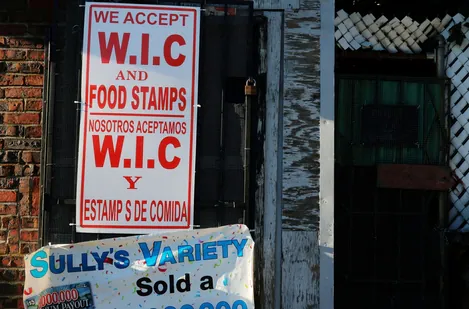
On a recent morning in Tucson, Wayne Zhang pulled his car around the back of a church. His 92-year-old father, Youde, who has dementia, sat beside him. They parked alongside a row of saguaro cacti and palo verde trees as volunteers from the Interfaith Community Services food bank loaded boxes of tuna, peanut butter and rice into their trunk. Youde receives money from the Supplemental Nutrition Assistance Programme (snap), a federal welfare scheme known as food stamps. But recently his monthly benefits were cut from $293 to $161. Adjusting to the lower payments has been difficult, says Wayne. “Here we can get my dad a little bit more food.”
Across America, millions of people like Youde are finding life harder. One in nine Americans receives food stamps; around 70% of recipients are seniors, children or people with disabilities. But the One Big Beautiful Bill Act (obbba), passed last year without a single Democratic vote, is projected to cut federal spending on snap by about a fifth over the coming decade. Enrollment has already fallen by 12%, or around 5m people.