

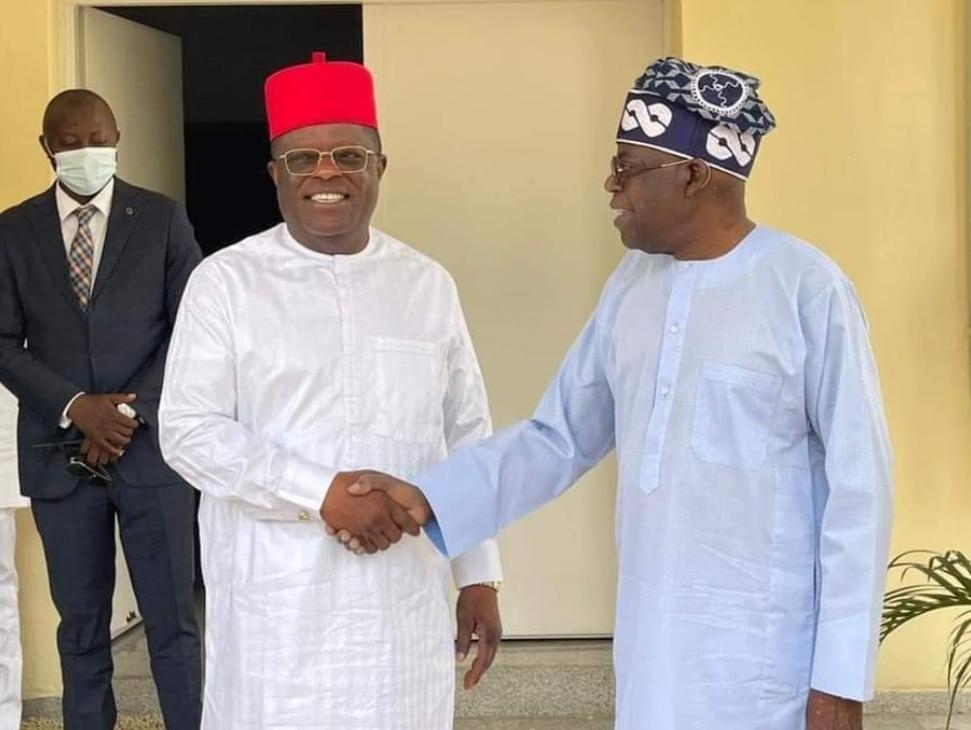
Minister of Works, Senator David Umahi, has defended the Federal Government’s decision to focus on infrastructure development instead of building large financial reserves, saying the approach is designed to stimulate economic growth and improve living conditions across Nigeria.
Umahi made the remarks on Monday during an inspection of the ongoing Calabar–Abuja Super Highway project at the Ebonyi–Benue boundary.
According to the minister, governments should prioritise investments that directly benefit citizens rather than concentrating on accumulating savings while critical infrastructure remains inadequate.
Infrastructure key to economic growth
Umahi said President Bola Tinubu’s administration believes that investing in roads and other public infrastructure is essential for expanding economic activities and increasing the country’s Gross Domestic Product (GDP).
He noted that the current administration inherited a poor federal road network and has since launched extensive road construction and rehabilitation projects across different parts of the country.
The minister added that ongoing works nationwide demonstrate the government’s commitment to improving transportation and supporting long-term economic development.
Progress on Calabar–Abuja Super Highway
Providing an update on the Calabar–Abuja Super Highway, Umahi said construction is progressing simultaneously across multiple sections of the route to accelerate delivery.
The highway will connect Calabar through Ebonyi, Benue, Kogi and Nasarawa before terminating in the Federal Capital Territory, Abuja.
According to him, the project is expected to improve regional connectivity, facilitate trade and support economic activities across the South-South, South-East and North-Central regions.
Project expected to improve travel and commerce
The minister said the completed highway is projected to significantly reduce travel time for commuters.
He explained that travellers from the South-South could reach Abuja in about six hours, while motorists from Ebonyi and neighbouring South-East states may complete the journey in approximately three hours.
Umahi also said the inclusion of bridges and bypasses along the corridor is expected to ease traffic congestion, improve road safety and encourage interstate commercial activities.