

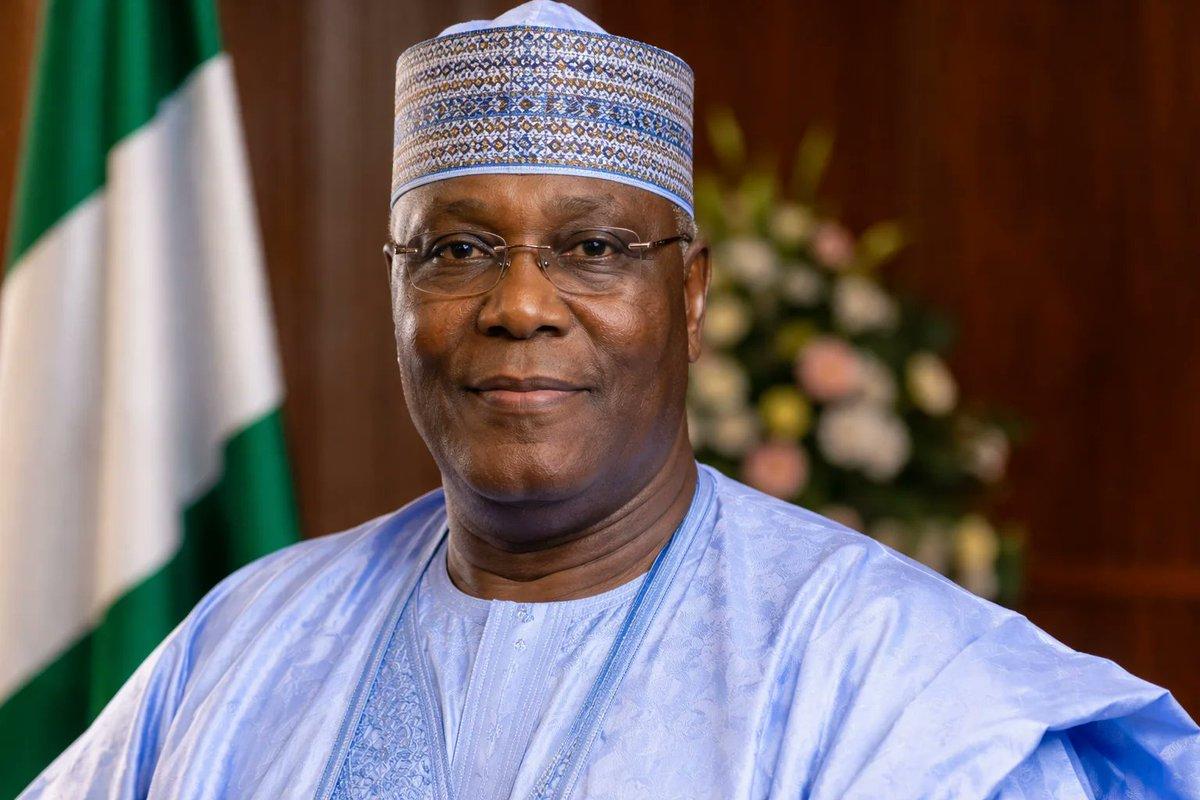
Former Vice President Atiku Abubakar has raised concerns over reports that some young Nigerians are allegedly considering selling their kidneys to cope with worsening financial hardship.
Atiku, the presidential candidate of the African Democratic Congress, said in a statement on Friday that the reported willingness of young people to part with body organs for as little as ₦1.7 million reflected the severity of the country’s cost-of-living crisis.
He described the reports as a disturbing indication of the level of desperation facing some Nigerians, arguing that young people should be using their abilities, ideas and creativity to improve their lives rather than considering measures that could put their health at serious risk.
According to Atiku, the rising cost of basic necessities has made survival increasingly difficult for many households.
He specifically pointed to the cost of food, transportation, rent, education, medicine and electricity, blaming the economic direction of President Bola Tinubu’s administration for what he described as growing hardship.
Atiku argued that reports of young Nigerians allegedly offering to sell their kidneys for ₦1.7 million should not be viewed simply as another sign of financial difficulty.
He said such reports pointed to a deeper level of desperation in which vulnerable people could become exposed to exploitation by criminal networks.
The former vice president acknowledged that Nigerian laws prohibit the commercial sale of human organs and organ trafficking, but argued that legal restrictions alone would not eliminate the circumstances that could push vulnerable people towards such decisions.
He called for economic policies that would produce tangible improvements in the daily lives of Nigerians, including more affordable food and transportation, accessible healthcare and better employment opportunities.
Atiku said economic reforms should be measured not only by broader economic indicators but also by their impact on ordinary citizens and their ability to live with dignity.
His comments come amid wider concerns over alleged organ trafficking and exploitation in Nigeria.
A recent police investigation has involved allegations of an organ-harvesting and human-trafficking operation, with four suspects reportedly under investigation, including two nephrologists.
The allegations surrounding kidney sales and the ongoing criminal investigation are separate matters, and claims concerning individuals selling or being forced to sell organs require verification by relevant authorities.
Atiku’s intervention has nevertheless added a political dimension to the growing discussion over the relationship between economic hardship, vulnerability and alleged organ trafficking in the country.
He urged Nigerians to ensure that young people have opportunities to earn a living through their talents and innovations rather than becoming vulnerable to dangerous forms of exploitation.