

Environment
THE United Nations Children’s Fund (UNICEF), Bauchi Field Office, in collaboration with the Bauchi State Rural Water Supply and Sanitation Agency (RUWASSA), has intensified technical support for WASH officers to strengthen cholera preparedness and response.The News Agency of Nigeria (NAN) reports that participants drawn from the 20 Local Government Areas of the state took part in the three-day programme, which included practical field visits.
Speaking during the programme on Thursday in Bauchi, Ms Nambam Michael, WASH Specialist, UNICEF Bauchi Field Office, said sustained investment in Water, Sanitation and Hygiene (WASH) interventions remained critical to preventing cholera outbreaks.
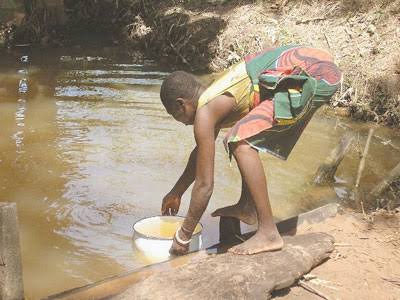
She said unsafe drinking water, poor sanitation and inadequate hygiene practices continued to fuel cholera, diarrhoea and other waterborne diseases, placing millions of children at risk.
According to her, UNICEF’s child survival programme prioritises access to safe drinking water, improved sanitation and proper hygiene practices to reduce preventable illnesses among children.
“It is not enough to have water for drinking; the water must be clean and safe, especially for children,” she said.
Michael explained that water supplied to homes could become contaminated through damaged distribution systems and exposure to polluted environments where adequate safety measures were not maintained.
She said that regular water quality testing and treatment remained essential to ensure that drinking water was safe and fit for household consumption.
The UNICEF WASH specialist identified poor sanitation, particularly open defecation, as one of the major factors driving cholera transmission in many communities.
According to her, studies have shown that a single gram of human excreta contains millions of bacteria and viruses capable of causing cholera and other diarrhoeal diseases.
She warned that such infections could lead to severe dehydration among children and, if left untreated, could result in death.
Michael urged households to use improved toilet facilities and completely eliminate open defecation to reduce the spread of waterborne diseases.
She also emphasised the importance of regular handwashing with soap at critical times to prevent infections and improve public health outcomes.
According to her, proper handwashing with soap can reduce the risk of diarrhoeal diseases by more than 50 per cent.
Michael called on governments, civil society organisations, development partners, community leaders, parents and caregivers to address the root causes of cholera through sustained investment and behaviour change initiatives.
She urged residents to remain vigilant during the rainy season by ensuring drinking water was safe, sanitation facilities were properly used and good hygiene practices consistently observed.
Also speaking, Mr Bala Zailani of the Bauchi State Rural Water Supply and Sanitation Agency (RUWASSA) said WASH officers across the state’s 20 local government areas had been mobilised.
He said the officers had received technical support to commence cholera preparedness activities and community sensitisation campaigns aimed at reducing the risk of disease outbreaks.
Zailani added that hygiene promotion kits had been distributed to households and vulnerable communities to encourage improved hygiene practices and reduce cholera transmission.
According to him, the interventions, including sensitisation campaigns supported by UNICEF, are designed to strengthen community resilience and improve public health outcomes across the state.(NAN)
F.O
Tags: cholera UNICEF