
Nigeria’s Security Vote Jumps to N6.85tn as Terror Networks Spread Across West Africa — SCUML

This escalating crisis continues to fuel insecurity and strain public resources, according to the Special Control Unit against Money Laundering (SCUML).
Temitope Erinomo, Technical Assistant to the Director of SCUML, disclosed these figures on Tuesday in Abuja as reported by Persecondnews correspondent.
Erinomo said Nigeria’s security spending increased from N1.5 trillion in 2021 to N6.85 trillion in 2025, warning that the rising cost of fighting terrorism was diverting funds from education, healthcare, agriculture and infrastructure.
“In 2021, Nigeria spent about N1.5 trillion on defence and security. By 2025, that figure had risen to N6.85 trillion. We are actually looking at the opportunity cost on education, health, infrastructure and agriculture,” he said.
He attributed the growing financial burden to the changing nature of terrorism, noting that new extremist groups and splinter factions have emerged across West Africa since 2015, complicating efforts to disrupt terrorist financing.
“Over the years, particularly in West Africa, we have seen not only an increase in the prevalence of terrorist activities but also an increase in terrorist actors. Compared to 2015, new groups have emerged while existing organisations have splintered across the sub-region,” Erinomo pointed out.
According to him, terrorist groups have shifted from ideological movements to organised criminal networks, exploiting illegal mining activities, climate-induced resource conflicts and informal cross-border financial systems to sustain their operations.
“For us in Nigeria, we have seen how those terrorist organisations have evolved from being ideological to actually becoming classic organised criminal groups. We have particularly seen their activities in areas where there are gold mining and other mineral resources,” he said.
Erinomo also warned that cryptocurrencies and other emerging technologies were making it increasingly difficult for authorities to trace illicit financial flows linked to terrorism.
He said findings from a Rapid Risk Assessment in Borno State showed that while legitimate non-profit organisations remain indispensable humanitarian partners, weak financial controls and fake organisations could be exploited by terrorist financiers.
Citing one case, he said authorities uncovered a fake non-profit organisation allegedly used to raise and channel funds to families of arrested insurgents, stressing that such cases should not undermine the credibility of genuine humanitarian organisations.
“The NPOs are not the problem in this instance. Rather, they are victims of these activities. It is now meant for us to have a proper understanding of the threat we are facing and how we intend to move forward,” he said.
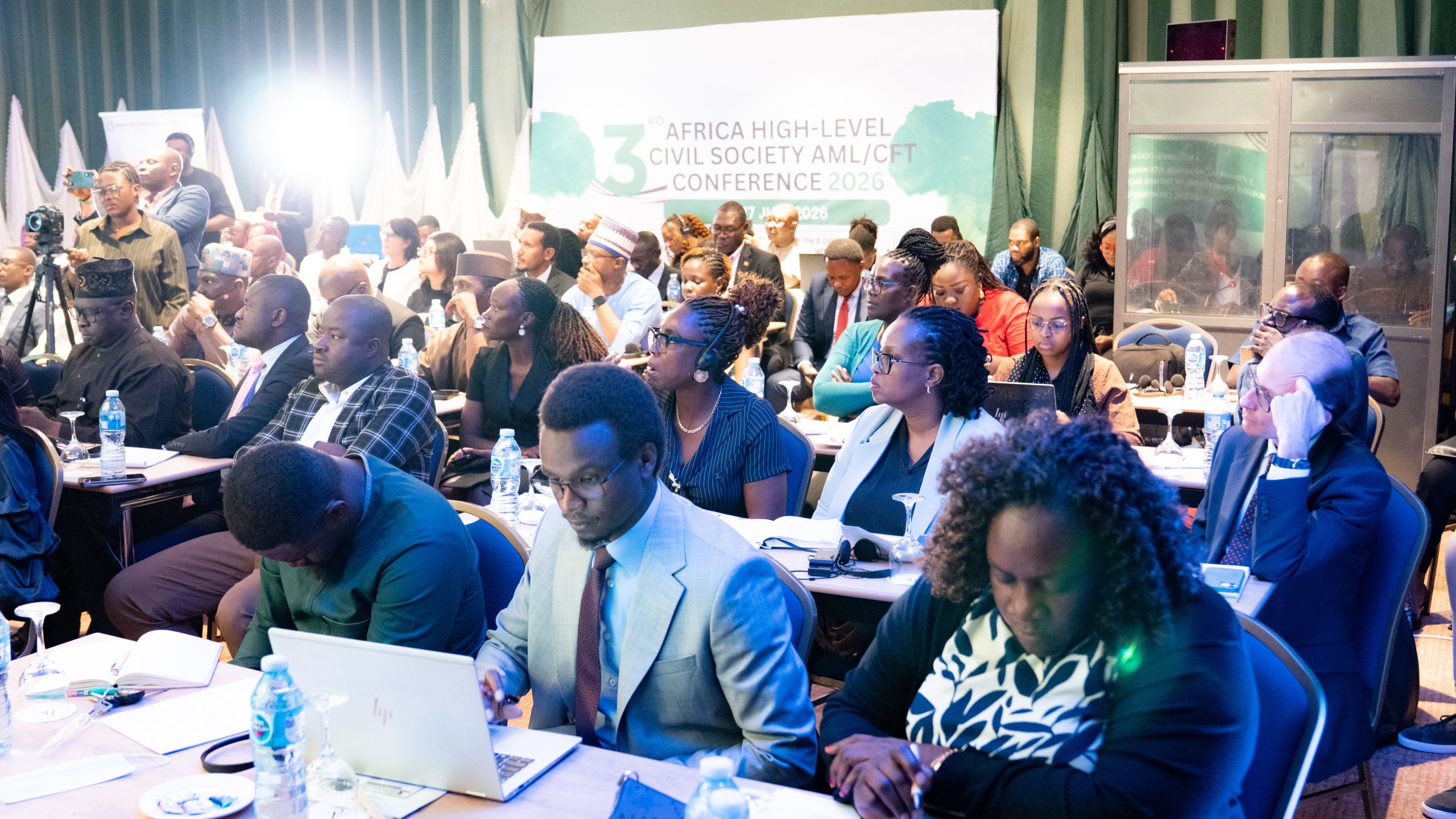
Persecondnews reports that the pre-masterclass, organised by Spaces for Change (S4C), precedes the 3rd Africa High-Level Civil Society Conference on AML/CFT, under the theme: “Implementing FATF Recommendation 8 Correctly: Practices, Lessons Learned and Opportunities for Reforms.”