
Investigators reveal shocking twist in fiery Missouri skydiving plane crash that killed 12 people

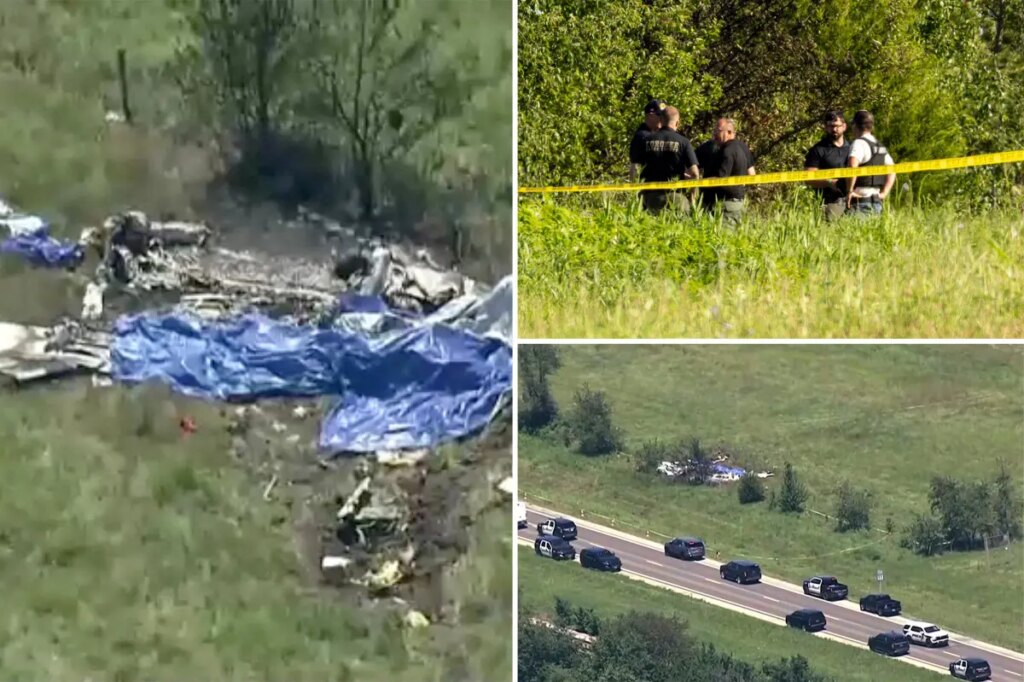
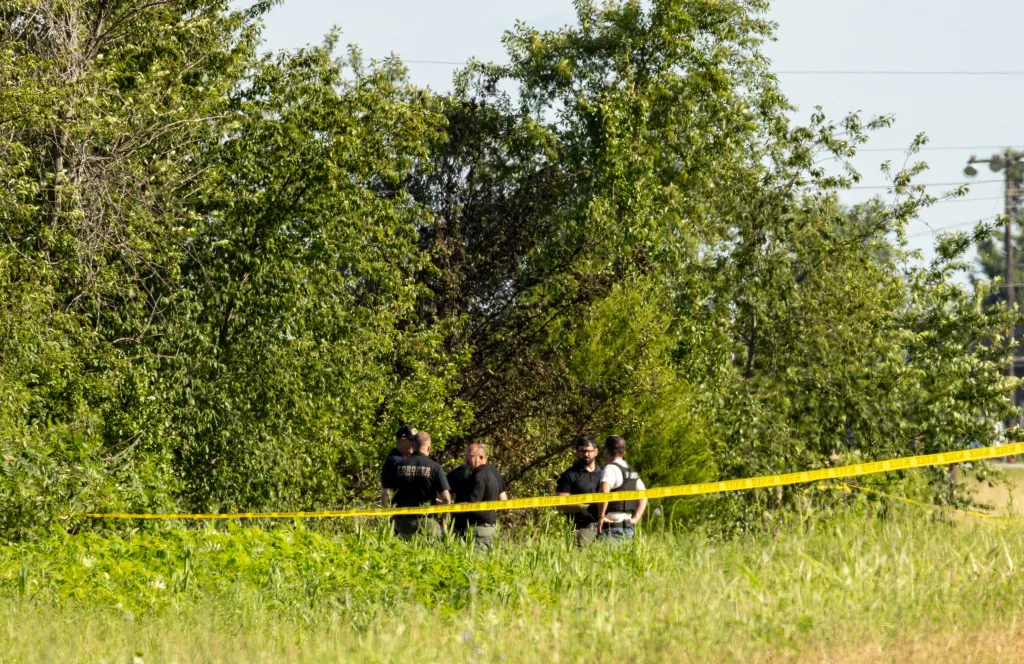
Investigators are struggling to explain what caused the fiery Missouri skydiving plane crash that killed 12 people last month – after an initial probe found no major safety failures that could account for the disaster, a new report reveals.
Federal aviation investigators examining the June 14 crash – in which 11 skydivers and their pilot plunged to their deaths – found no evidence of any pre-impact mechanical or engine malfunctions that would have brought down the aircraft, according to the National Transportation Safety Board’s preliminary report released Thursday.
There was no sediment or debris contaminating the 38-foot plane’s fuel, a post-accident sample found, while a review of the skydiving operator company’s records showed the aircraft met all the weight and balance requirements before takeoff.
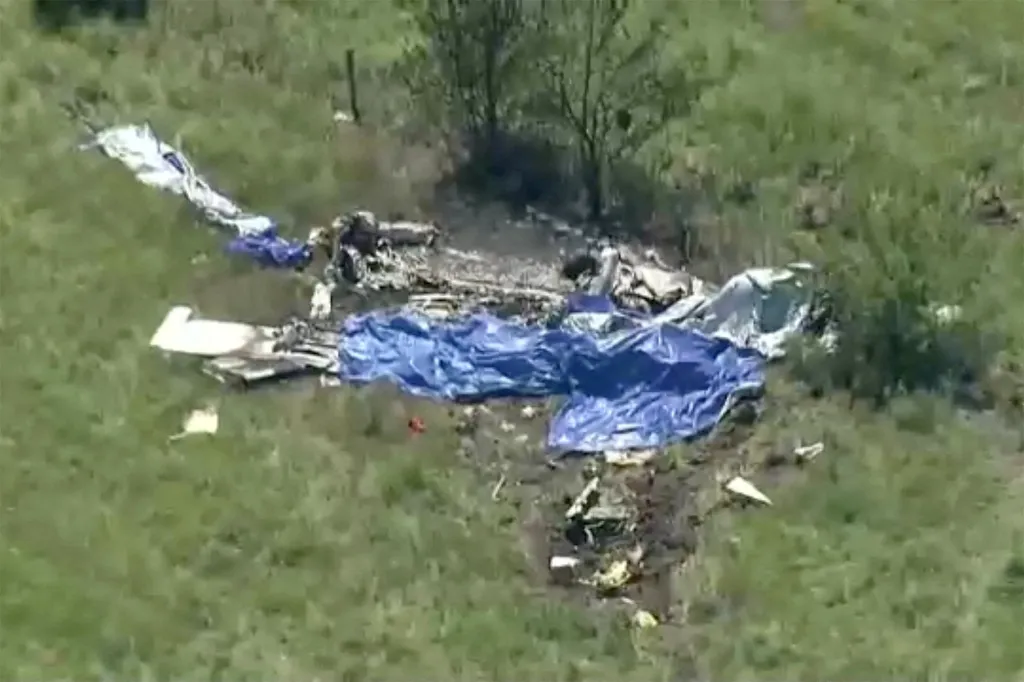
The head-scratching findings suggest the single-engine turboprop plane – operated by Skydive Kansas City – should have been operating normally before it erupted into a fireball, according to investigators.
Unlike commercial airliners, the privately owned aircraft was not required to carry a crashworthy voice or data recorder; however, investigators recovered damaged GoPro cameras from the wreckage and sent them to a lab for review.
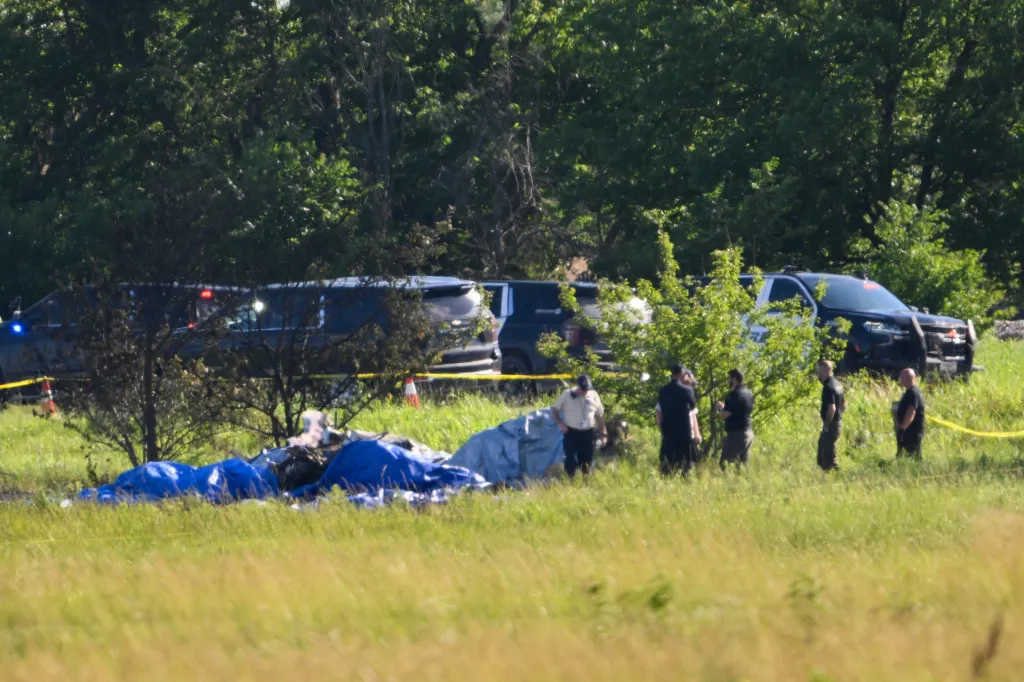
The horrific crash unfolded just five minutes after the plane took off from Butler Memorial Airport at about 11:25 a.m.
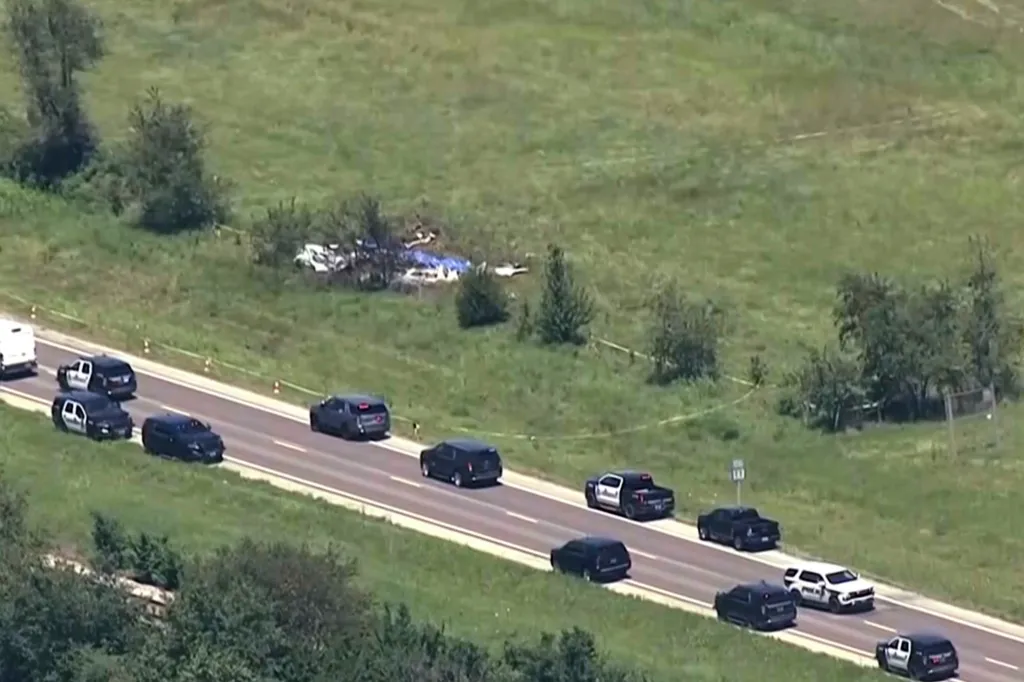
During its initial climb through clear skies, the plane suddenly veered left near Business 49 Highway.
Both wings became almost perpendicular to the ground before it slammed into a field, nose down, and burst into flames, investigators said.
Hours after the crash, Dennis Jacobs, the acting airport manager and Bates County Emergency Management Agency director, said he thought that the pilot had been trying to make an emergency landing.
“In my opinion, I think it was losing power, and [the pilot] was trying to make it over to the highway and land, and he stalled and went down nose-first and caught fire,” Jacobs said, and described the wreckage as “brutal.”
Several relatives of those aboard had gathered at the airport to watch them jump – but instead witnessed the crash, which occurred about an hour south of Kansas City, according to authorities.
Among those killed was expert skydiver Jen Sharp, 55, who served as the technology director for the United States Parachute Association, the organization said in a press release.
“Jen was a remarkable force whose passion for the skies was matched only by her dedication to the people in our sport,” USPA Executive Director Albert Berchtold said in a statement.
“Her loss leaves an unfillable void in our office, our community, and our hearts. We are incredibly grateful for the years of laughter, innovation, and friendship we shared with her,” Berchtold said.
The USPA, which acts as the national governing body of skydiving, said that Skydive KC – which called the disaster a “devastating loss” – adheres to safety standards, including all FAA maintenance requirements.
Avid skydiver and orchestra teacher Dave Hershberger and grandfather-of-six Mike Shanahan – who was en route to complete his 23rd tandem jump when the crash occurred – were also among those killed in the crash.
Both men were 54.
Marcus Miller, a 30-year-old pipefitter from Lawrence, Kansas, also died. His Facebook was full of photos of him skydiving and partaking in adventures during his travels, according to the Kansas City Star.
Victim Matthew Swope, 39, was remembered by family as a beloved uncle, son, brother, and cancer survivor. The experienced skydiver had completed more than 750 jumps in his lifetime, KMBC reported.
Father of two, Dustin McKinney, 44, was also aboard the plane. The drummer and skydiver was a videographer for Skydive KC, the local outlet said.
Will Fischer, 23, was one of four people about to complete a final jump to become a skydive instructor when the plane crashed, friends told the outlet.
Nick Nash, an instructor and expert skydiver, and skydiver Dane Cordes have also been identified as victims.
The investigation into the crash remains ongoing, according to the NTSB, which said a final report often takes more than a year to complete.
With Post wires