
I went to the largest maritime gathering in US history, featuring ships from 20 countries, for America’s 250th birthday. Here’s what I saw.

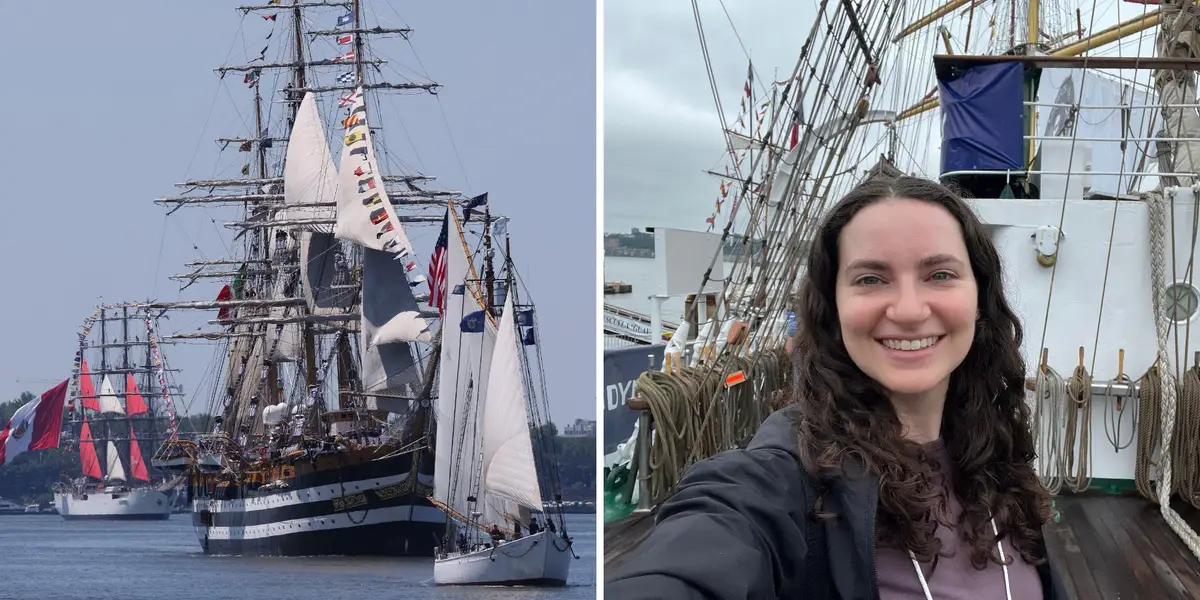
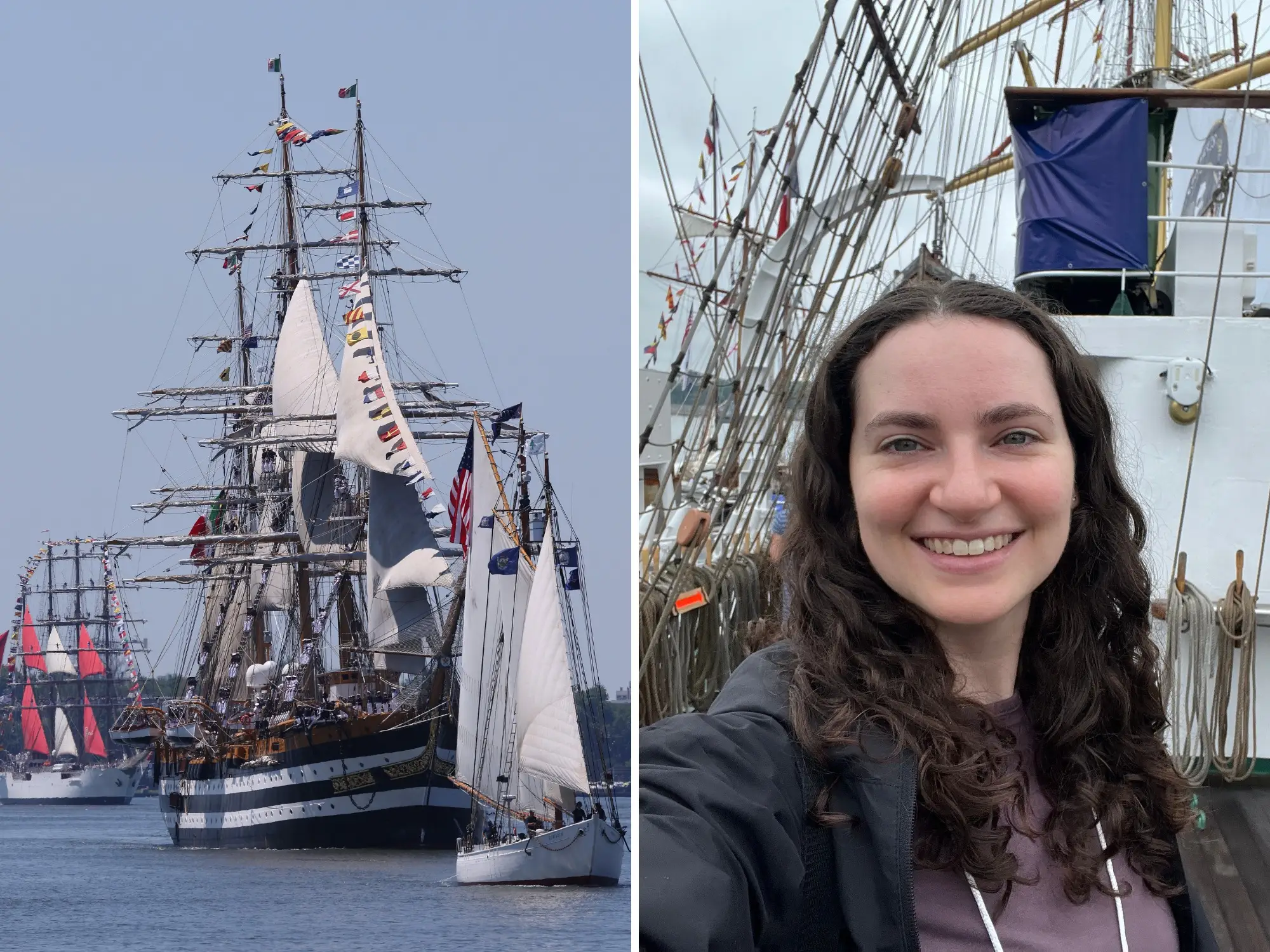
You only turn 250 years old once.
In celebration of America’s milestone birthday, New York City hosted a naval extravaganza advertised by organizer Sail4th 250 as the largest maritime gathering in US history.
The event, held from July 3 through July 8, featured tall ships from 20 countries as well as ships, aircraft, and personnel from over 130 invited navies and coast guards, according to the US Navy, transforming the city’s waterfront into a festive display of international relations, military partnerships, and naval tradition.
As part of the semiquincentennial celebrations, I toured ships from seven countries, as well as two active US Navy ships. Take a look.
Ships from over 20 countries paraded up New York City’s Hudson River in celebration of America’s 250th birthday on July 4.
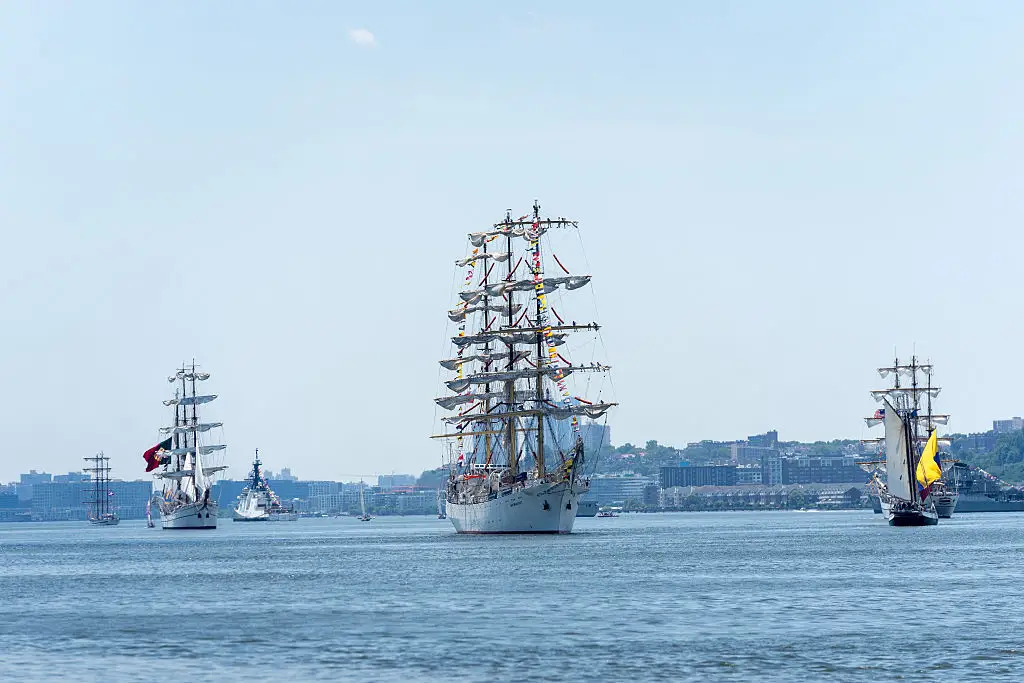
The festivities on Independence Day consisted of the International Naval Review, featuring gray-hull naval ships from the US and abroad, and the Parade of Sail, displaying historic tall ships used as naval training vessels.
After the parade, many of the ships opened to the public for tours.
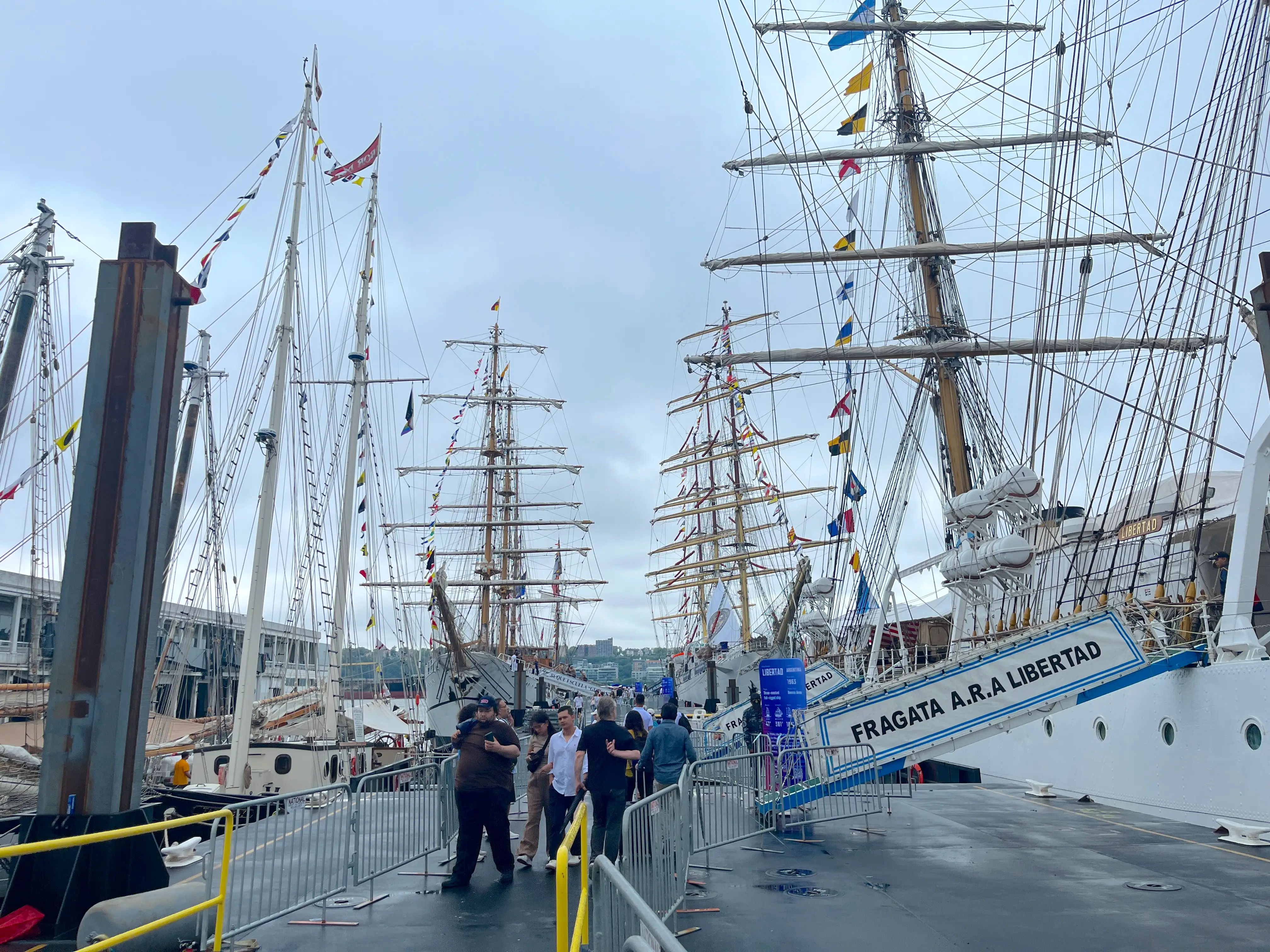
The ships were docked at piers across New York and New Jersey over the holiday weekend for members of the public to visit.
Some required timed reservations, but all of the tours were free.
On Monday, I went to New York City’s Pier 88, where security screenings were required since the tours included active-duty US Navy ships as well as foreign navy ships.
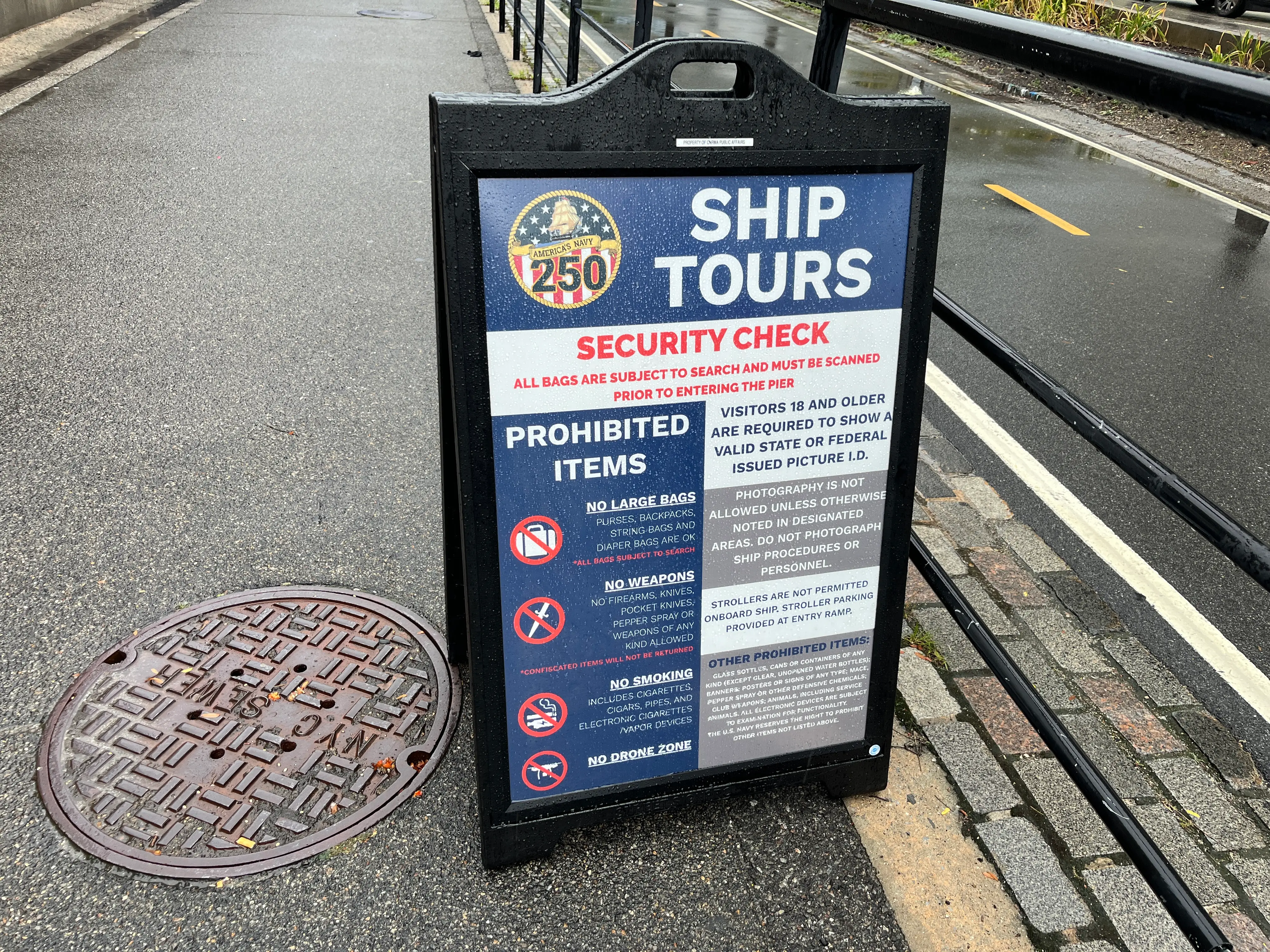
Posted security notices informed visitors that MARSEC Level 1, the Coast Guard’s baseline Maritime Security Level, was in effect.
My first stop was the USS Arlington, a San Antonio-class amphibious transport dock in active service in the US Navy.
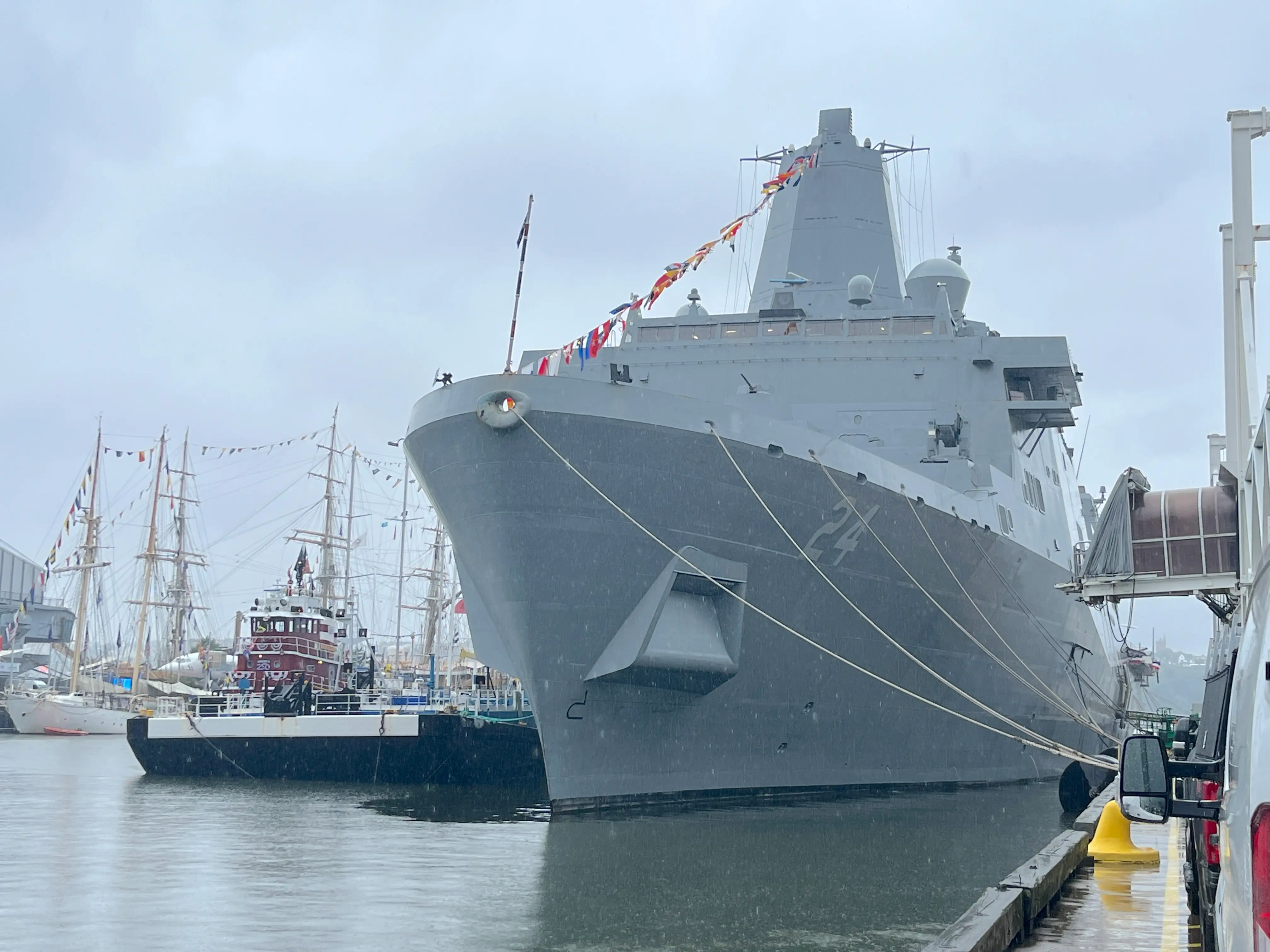
The 684-foot-long ship was commissioned in 2013 and features a crew of 360 sailors. It can carry over 700 Marines as well as helicopters and amphibious vehicles such as Landing Craft Air Cushions, or LCACs.
The ship was a hub of activity as sailors offered tours, photo opportunities with a variety of vehicles, and merchandise for sale.
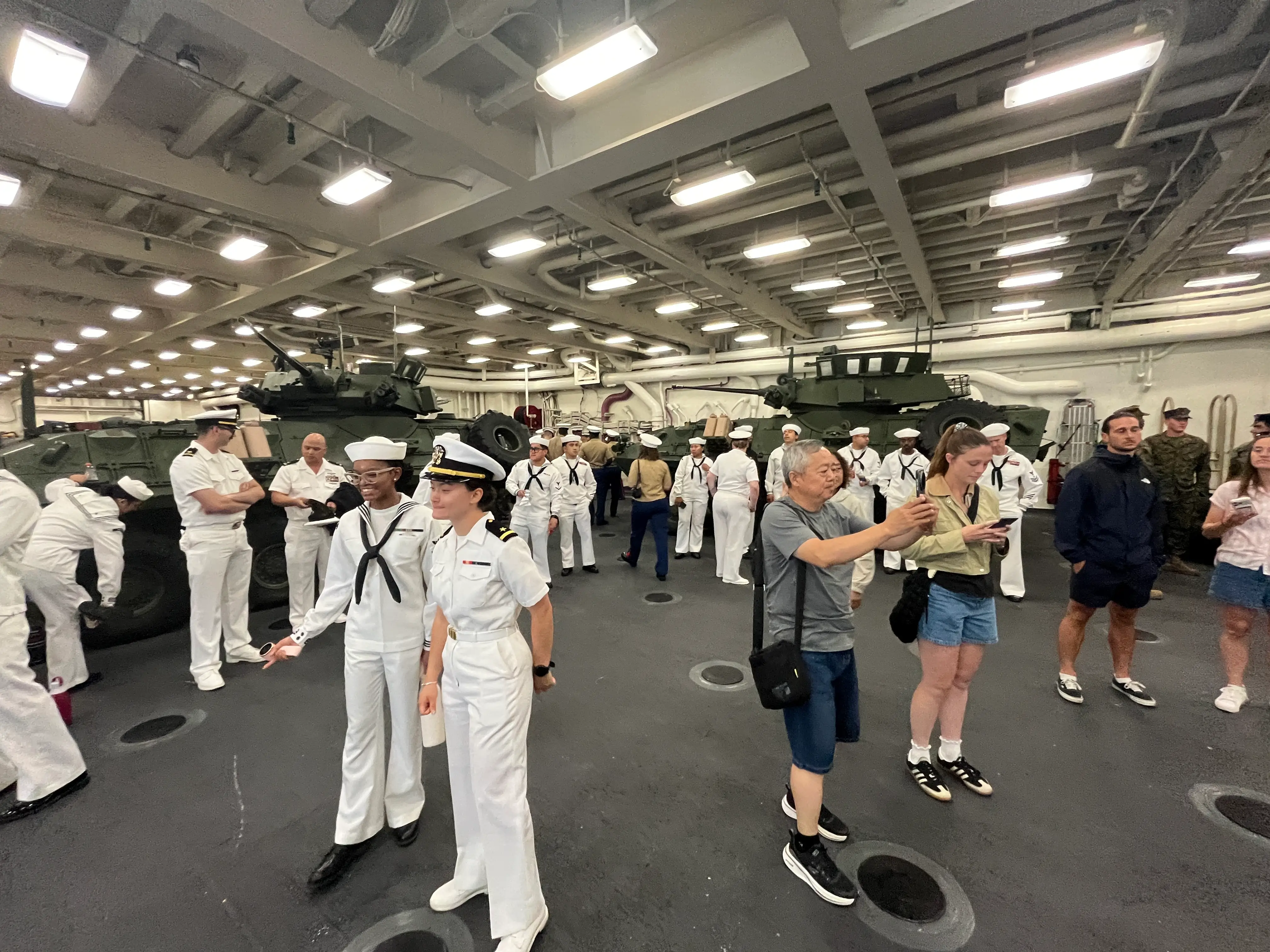
On my tour of the ship, I saw the USS Arlington’s well deck, flight deck, crew berthing, and medical bays.
Next, I joined a group tour of the USS Farragut, an active Arleigh Burke-class guided-missile destroyer.
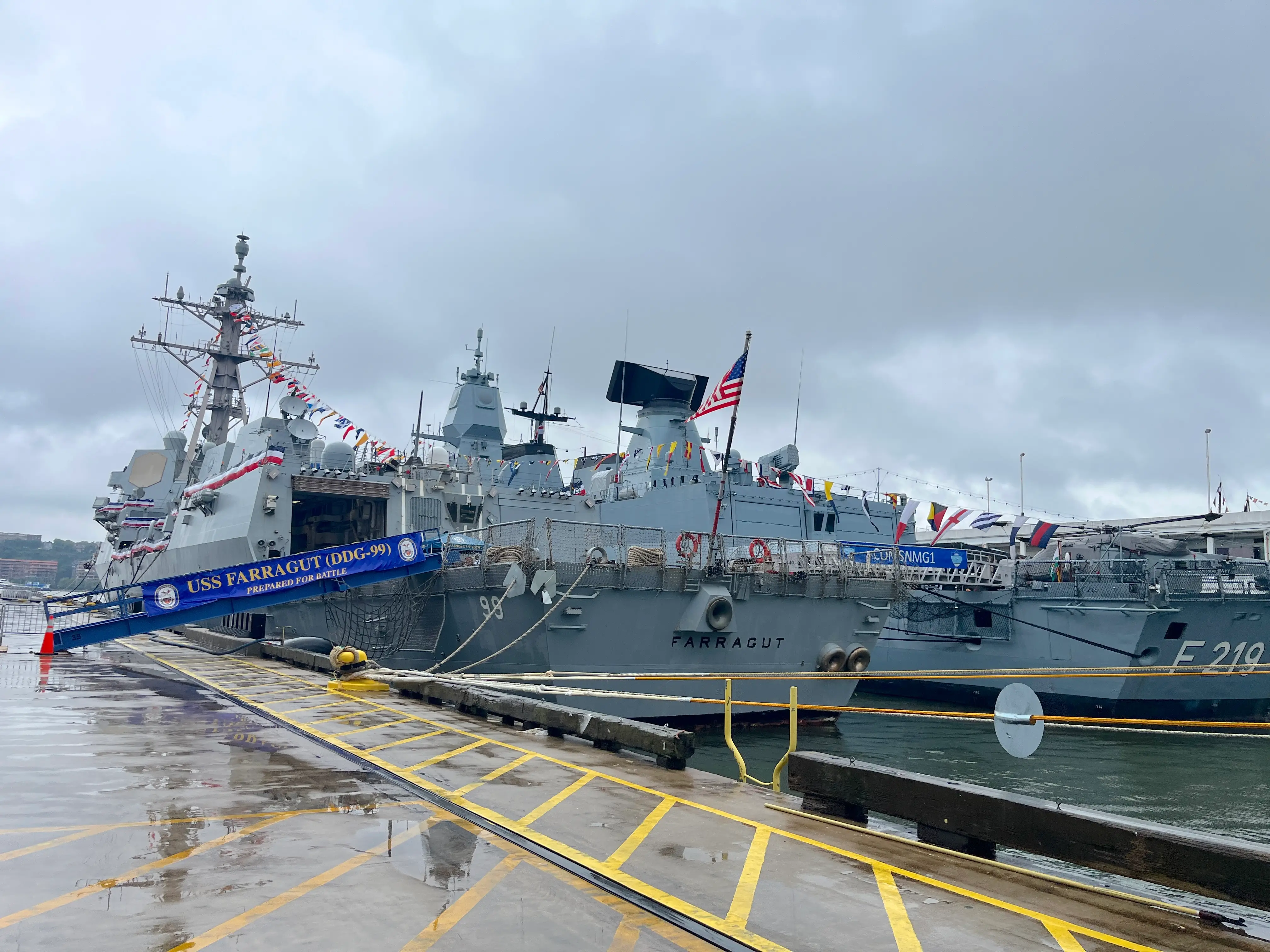
At 509 feet and 6 inches long, Farragut served as the official reviewing warship for the International Naval Review on July 4, with Vice President JD Vance sailing on board. The crew consists of around 350 sailors, our guide said.
I got a close-up look at Farragut’s 5-inch Mark 45 gun and Mark 41 vertical launching system used to deploy missiles.
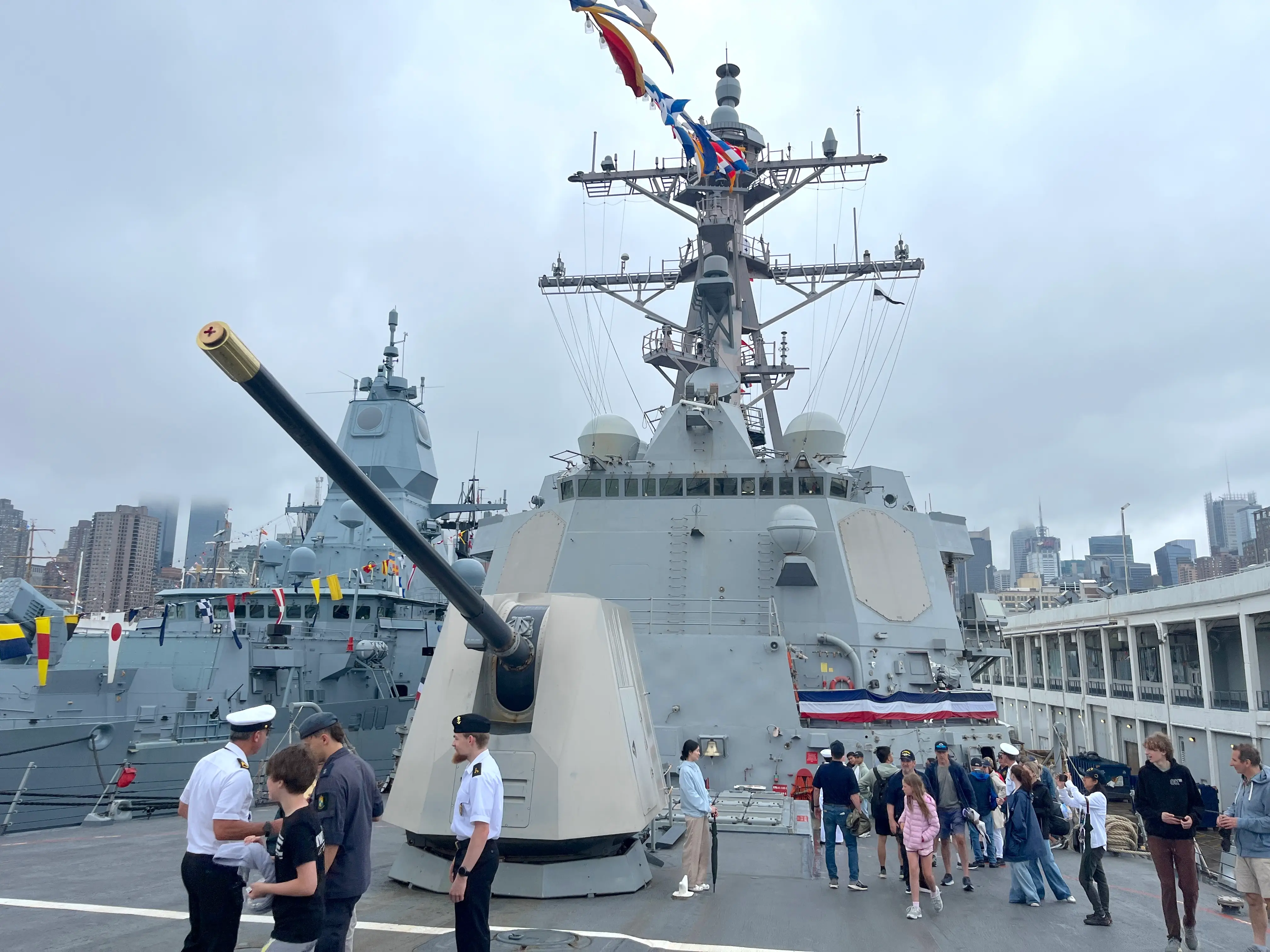
The ship is equipped with several types of missiles, including surface-to-air, anti-submarine, and Tomahawk cruise missiles, as well as torpedoes.
I ventured further up the dock, where I encountered numerous tall ships from different countries.
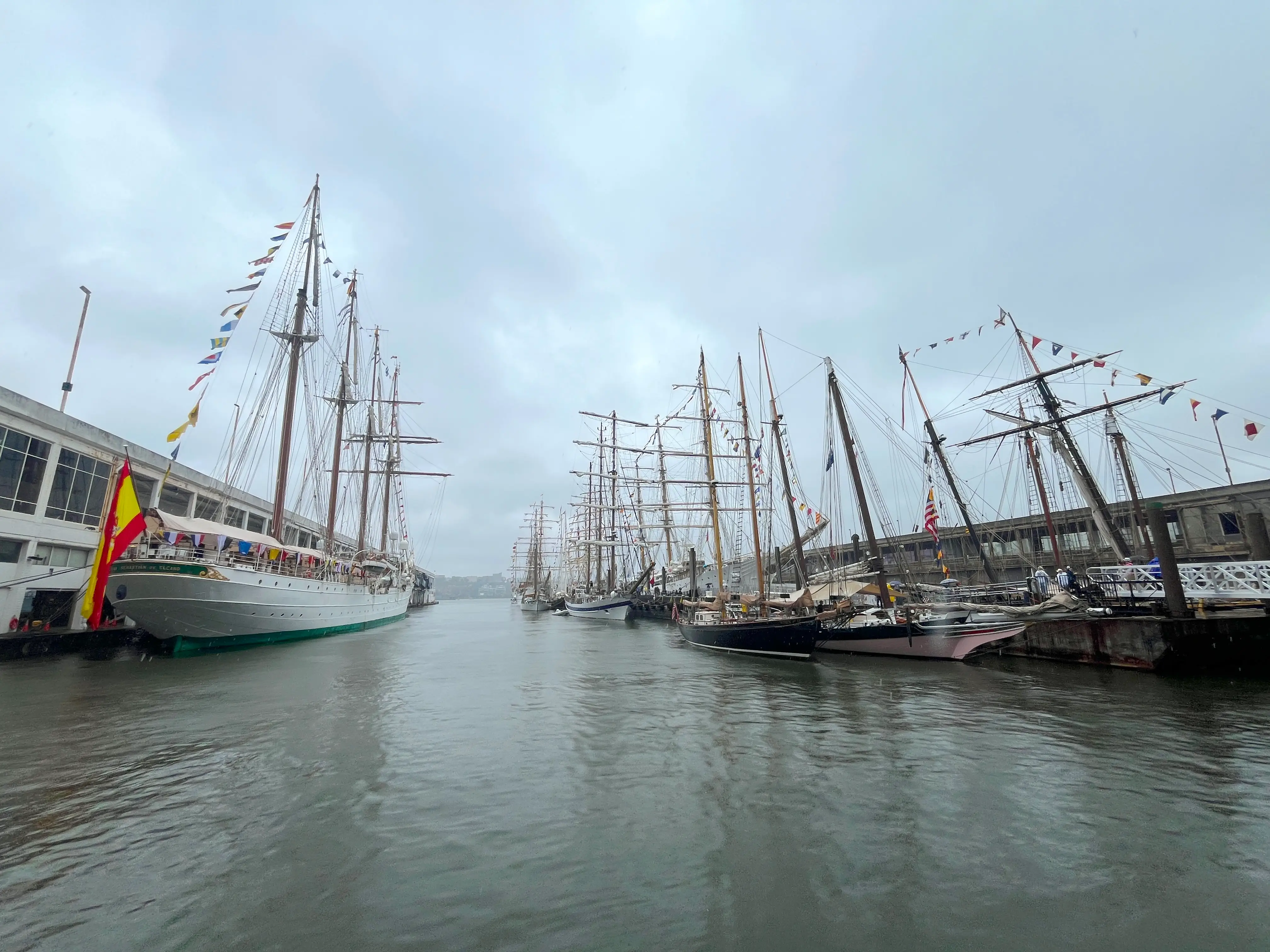
Unlike with the active Navy ships, where crew chaperones were required at all times, I was free to board and disembark the tall ships on my own.
I started with Lynx, a replica of an American privateer from the War of 1812.
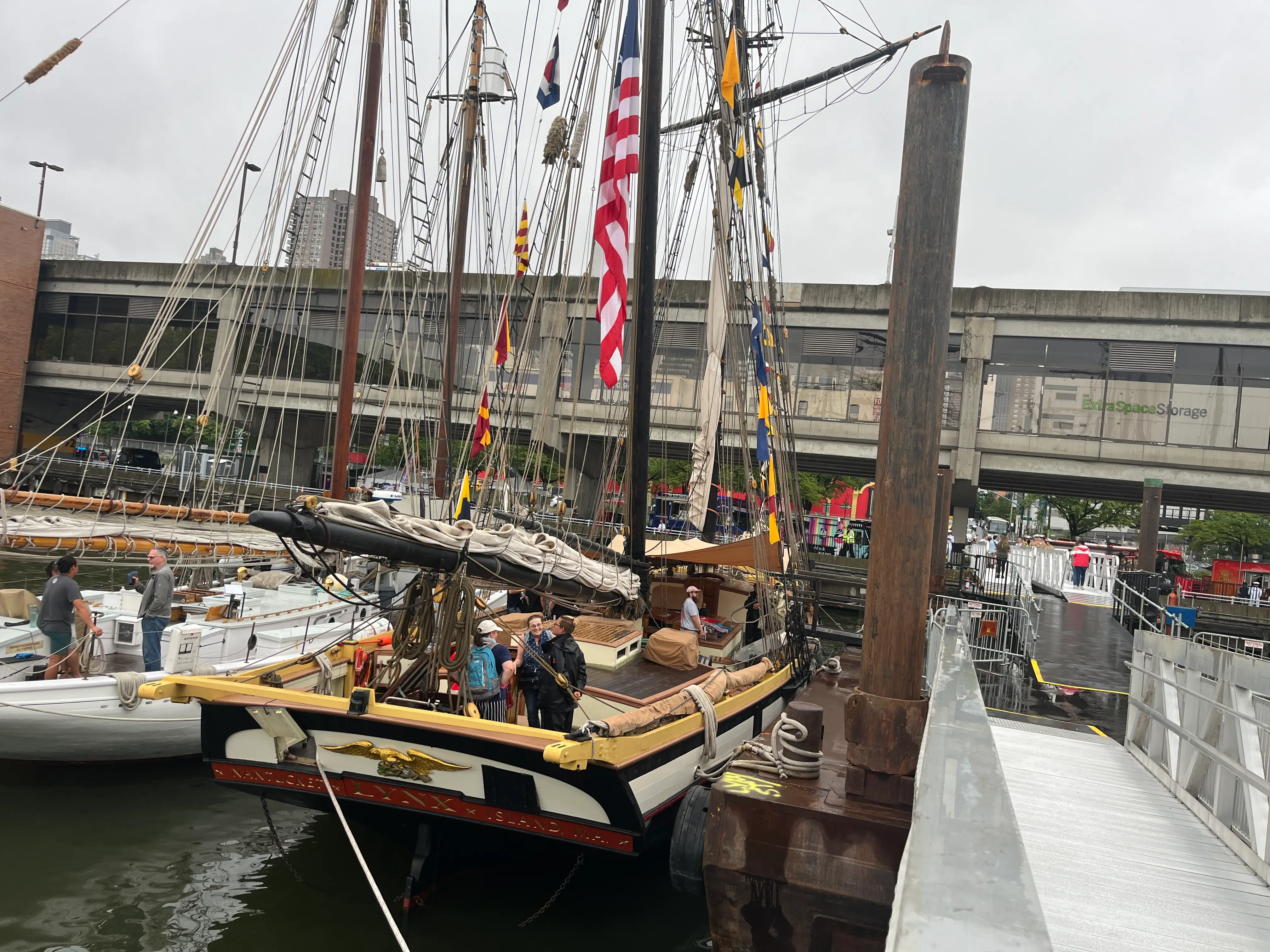
During the War of 1812, when the US Navy had only six warships, President James Madison issued letters of marque authorizing private vessels to arm themselves and hunt British vessels. The original Lynx was one of these privateers.
In 1813, Lynx was captured by the British. The Royal Navy took detailed notes about the ship’s construction before sinking it. These plans were used to reconstruct a near-exact replica bearing the same name in 2001.
Lynx offers sailing trips and educational programming for school groups as well as the general public.
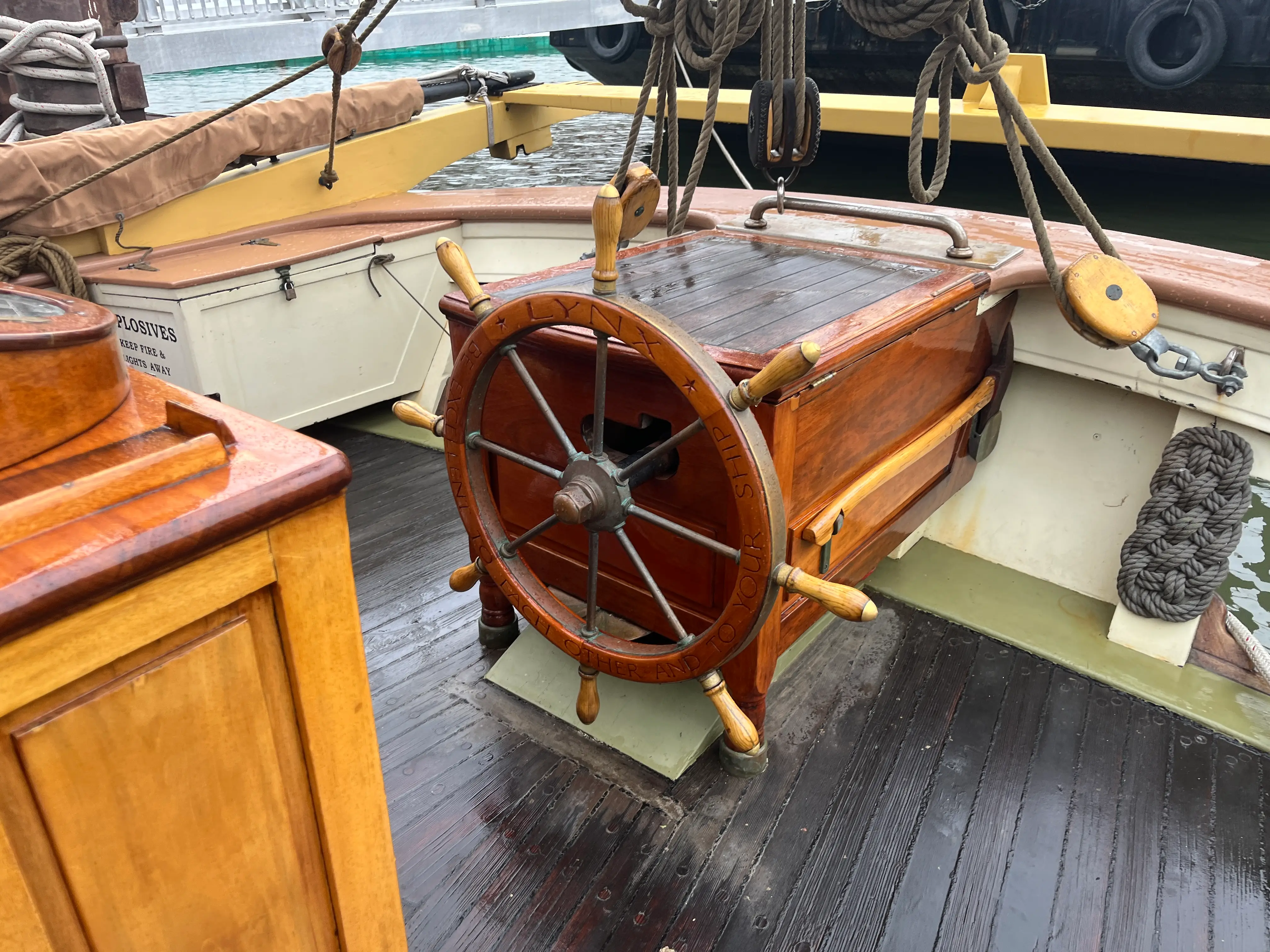
Lynx spends winters at St. Simons Island in Georgia and summers in Nantucket, Massachusetts.
I then boarded the Juan Bautista Cambiaso, a naval training ship from the Dominican Republic.
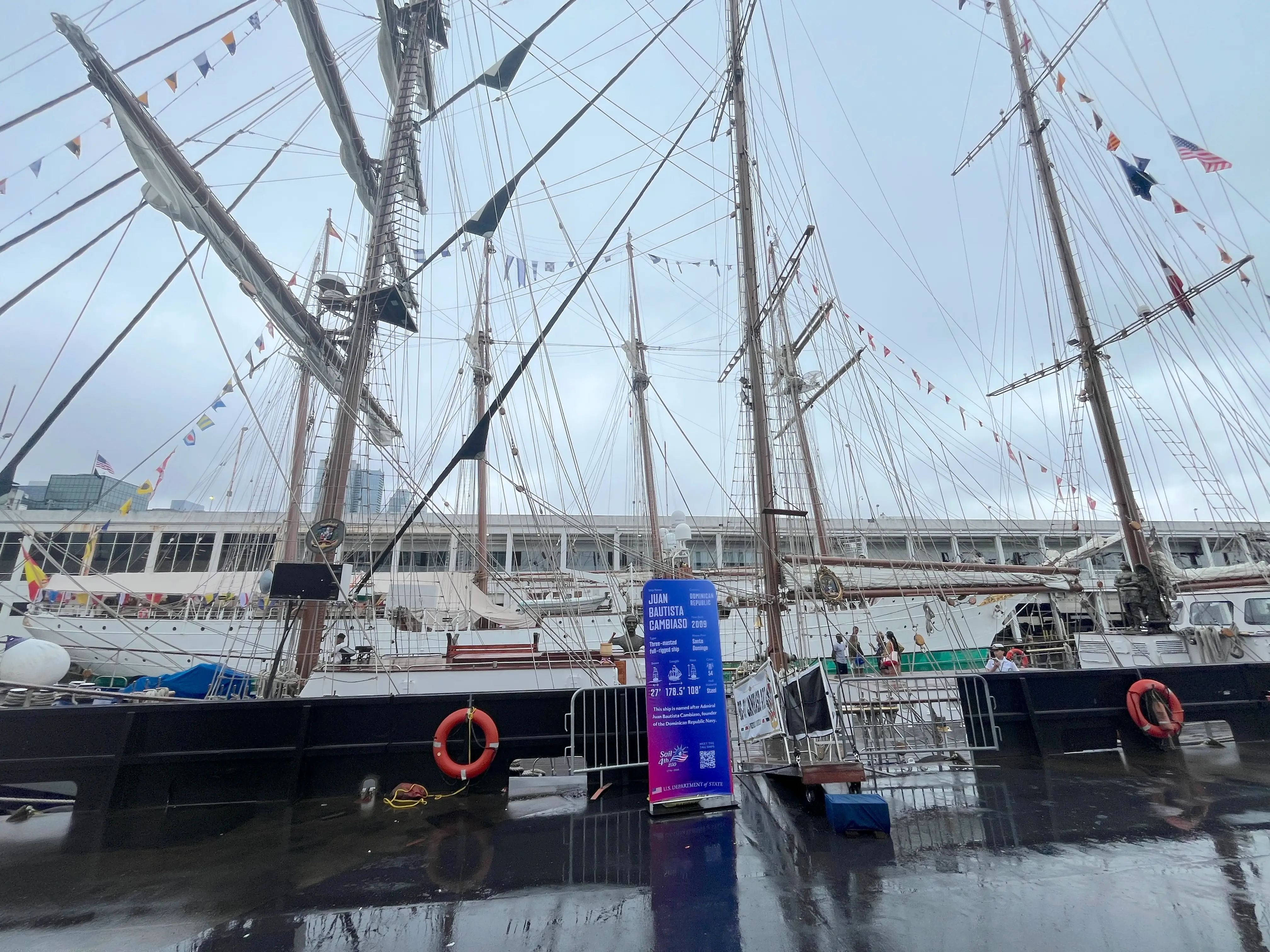
The ship, based in Santo Domingo, has a sail area of 11,000 square feet and is named for the founder of the Navy of the Dominican Republic.
On board naval training ships like Juan Bautista Cambiaso, cadets learn how to sail, navigate the seas, and work as a team.
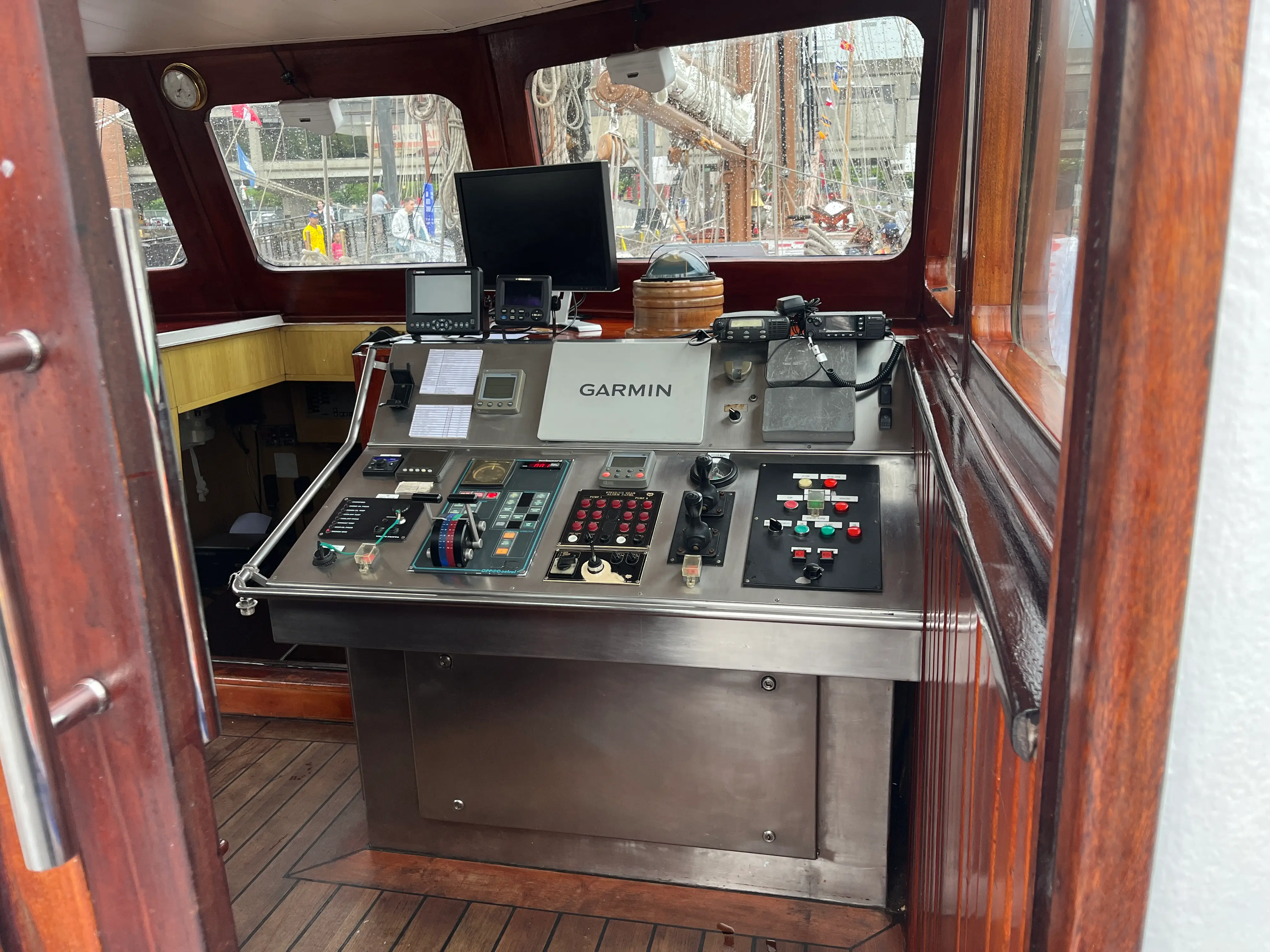
The 177-foot-long ship can hold up to 37 sailors.
BAE Guayas, a training ship in Ecuador’s navy, featured three enormous masts that can hold 15,200 square feet of sail.
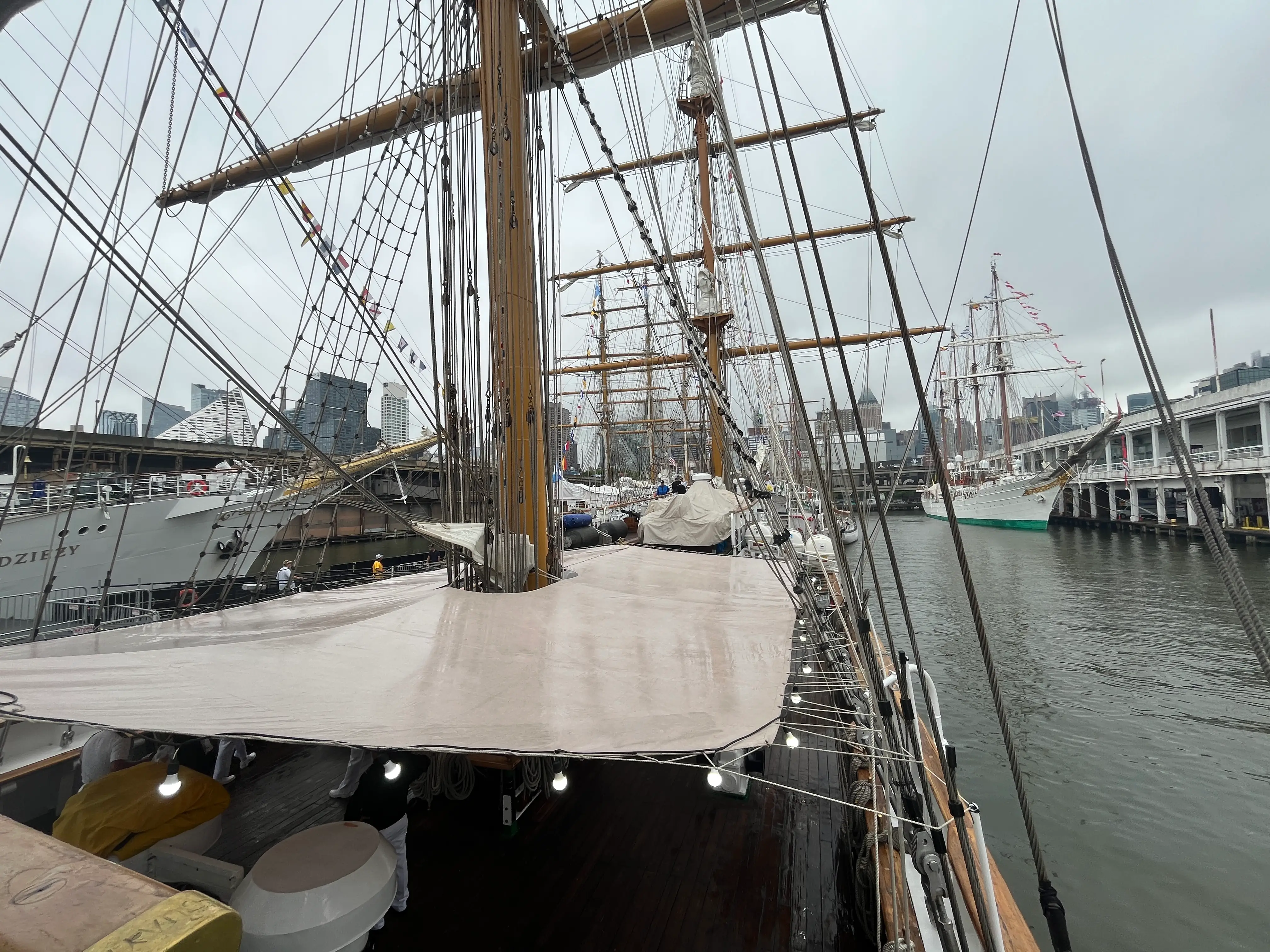
Guayas measures 257 feet long with a crew consisting of 35 officers and 120 enlisted sailors.
Guayas featured a lively atmosphere with Ecuadorian flags, music, and souvenirs for sale.
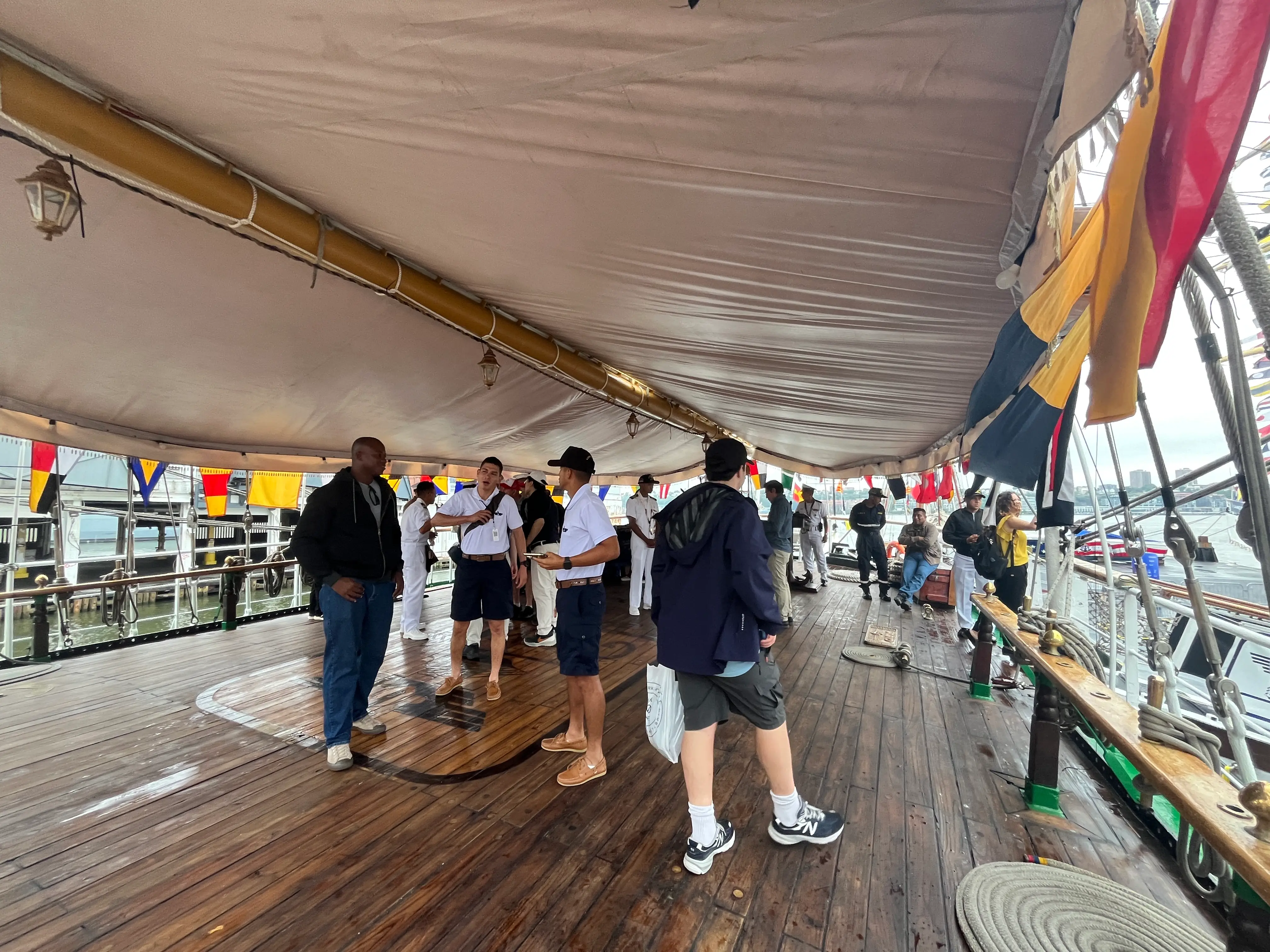
Guayas is homeported in Guayaquil, Ecuador, and is named after a river in western Ecuador.
Poland’s Dar Mlodziezy, homeported at Gdynia Maritime University, provides Polish sailors-in-training with hands-on experience at sea.
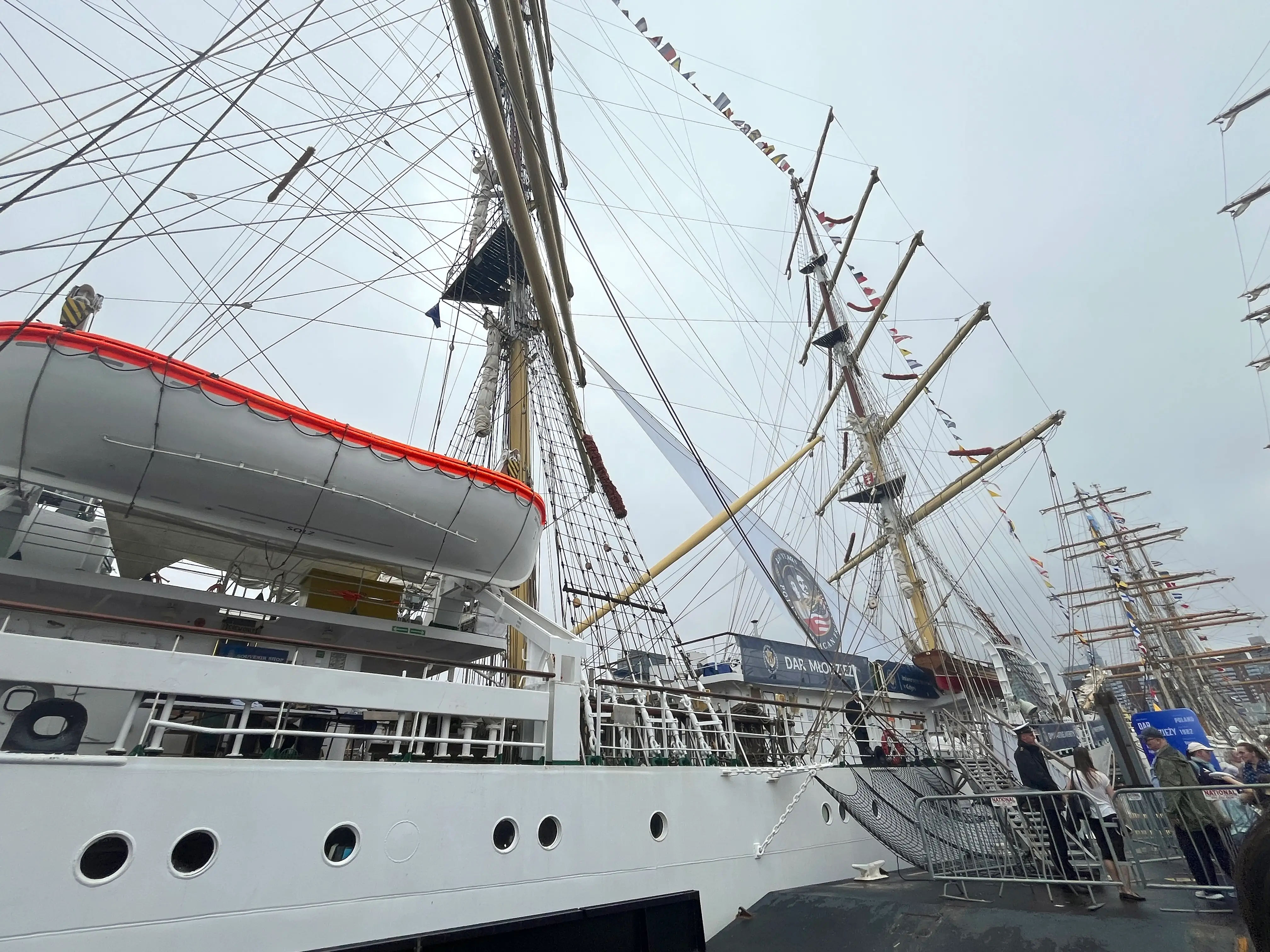
Dar Mlodziezy measures 354 feet long, has a sail area of 32,000 square feet, and holds a crew of 40 plus 136 cadets.
Dar Mlodziezy has been part of milestone celebrations in numerous countries, as evidenced by decals painted on the ship’s walls.
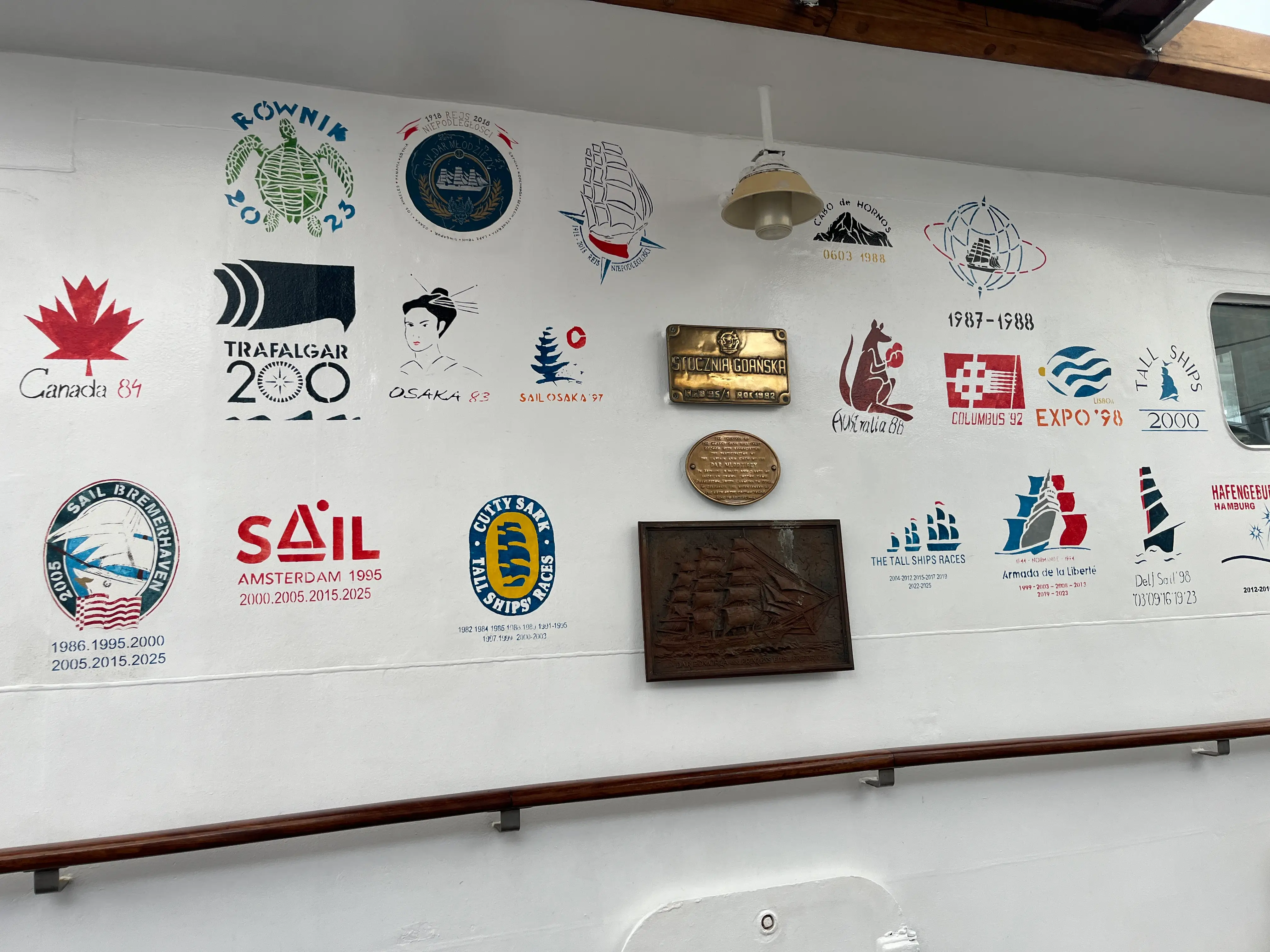
Dar Mlodziezy also circumnavigated the globe from 2018 to 2019 in honor of Poland’s 100th anniversary of independence.
I waited in a short line to board ARA Libertad, which the Argentine Navy uses as a training vessel.
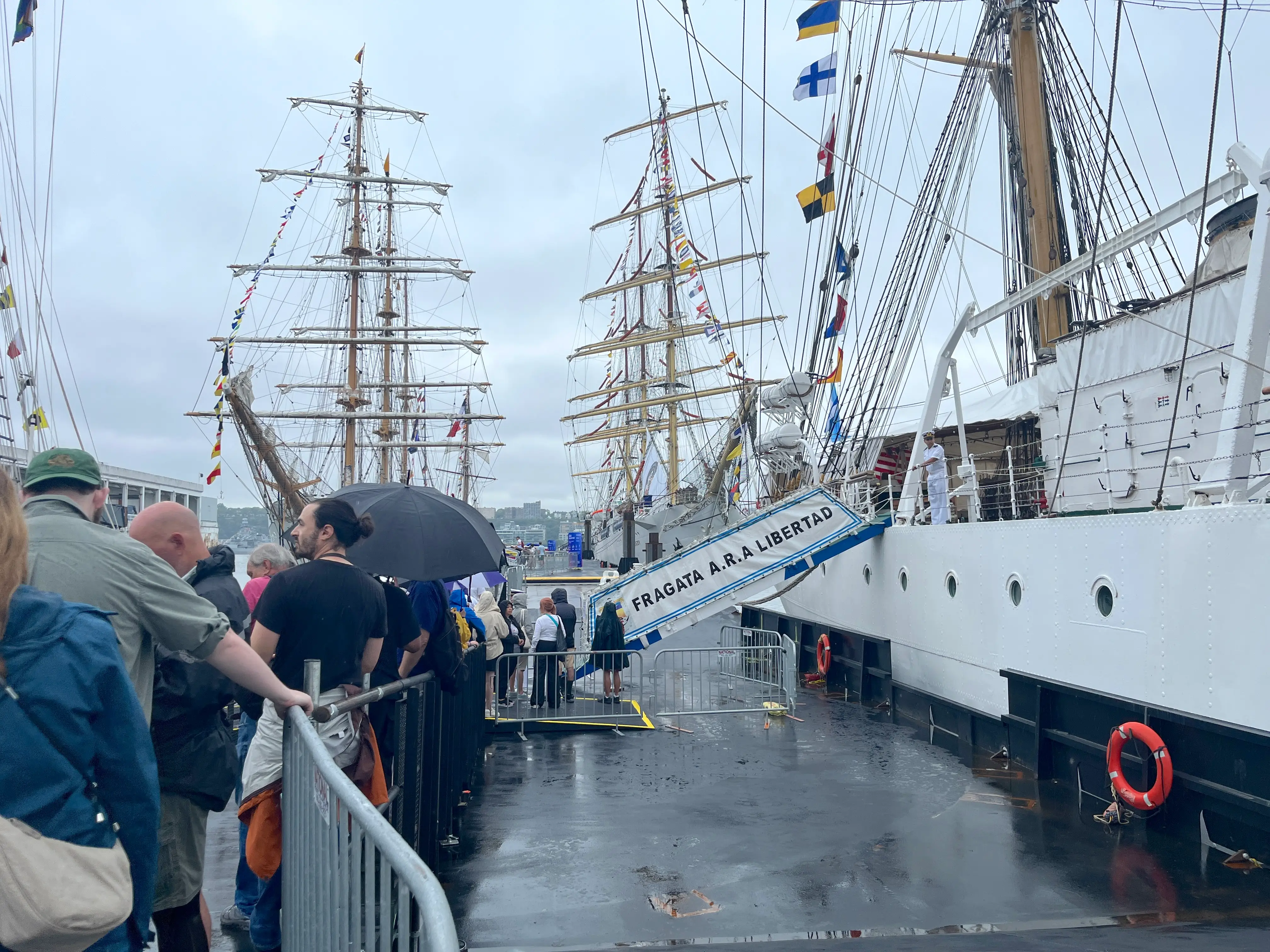
The 340-foot ship, built in 1963, has trained over 11,000 Argentine Navy graduates, according to Sail4th 250. The crew consists of 24 officers, 187 crewmen, and 150 cadets.
Argentine and American flags displayed at the stern, or back of the ship, made for the perfect photo-op.
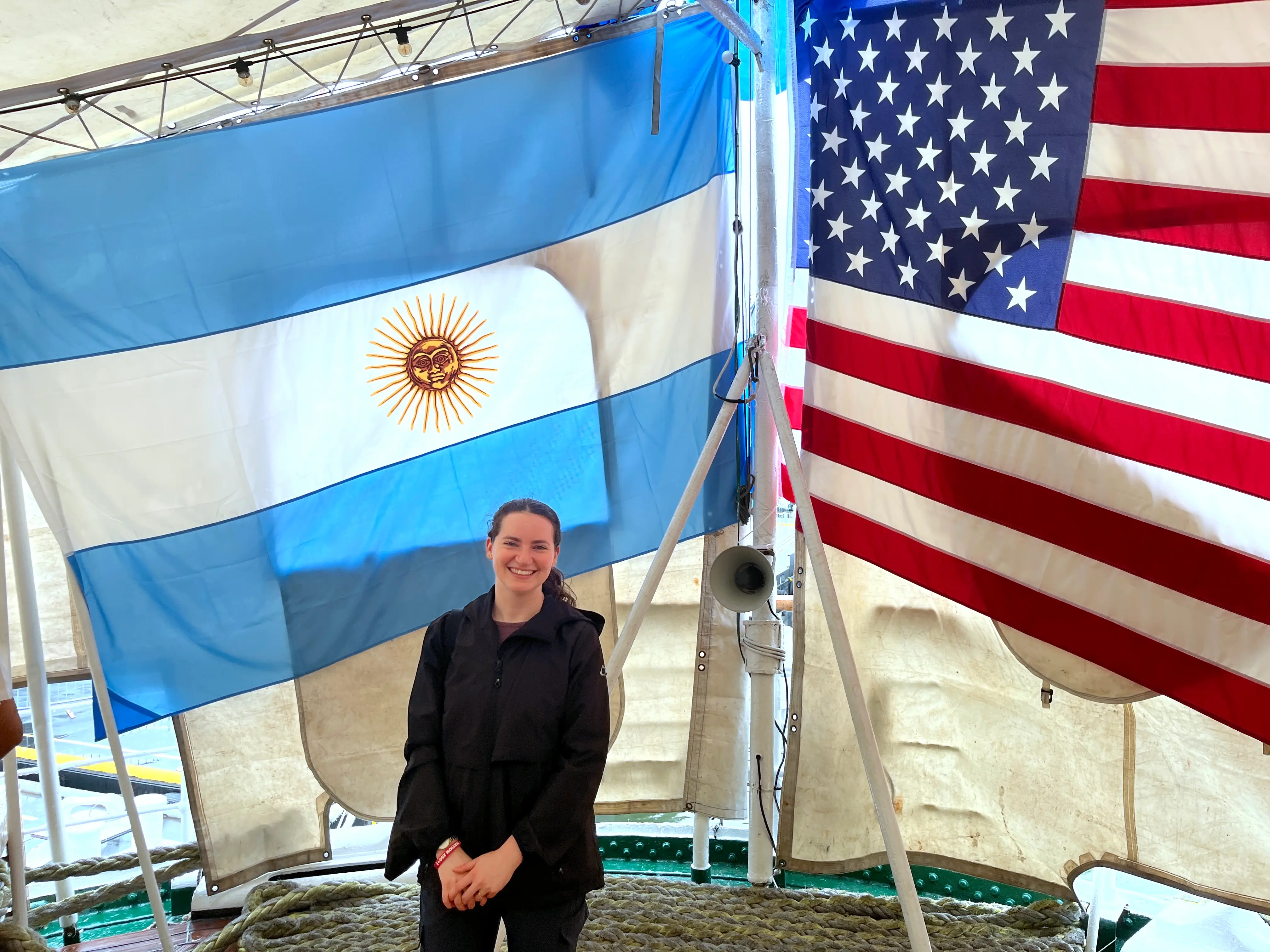
Libertad has visited over 500 ports in more than 60 countries.
There was more to see at the Intrepid Museum at Pier 86, where I’d reserved tickets for three additional visiting ships.
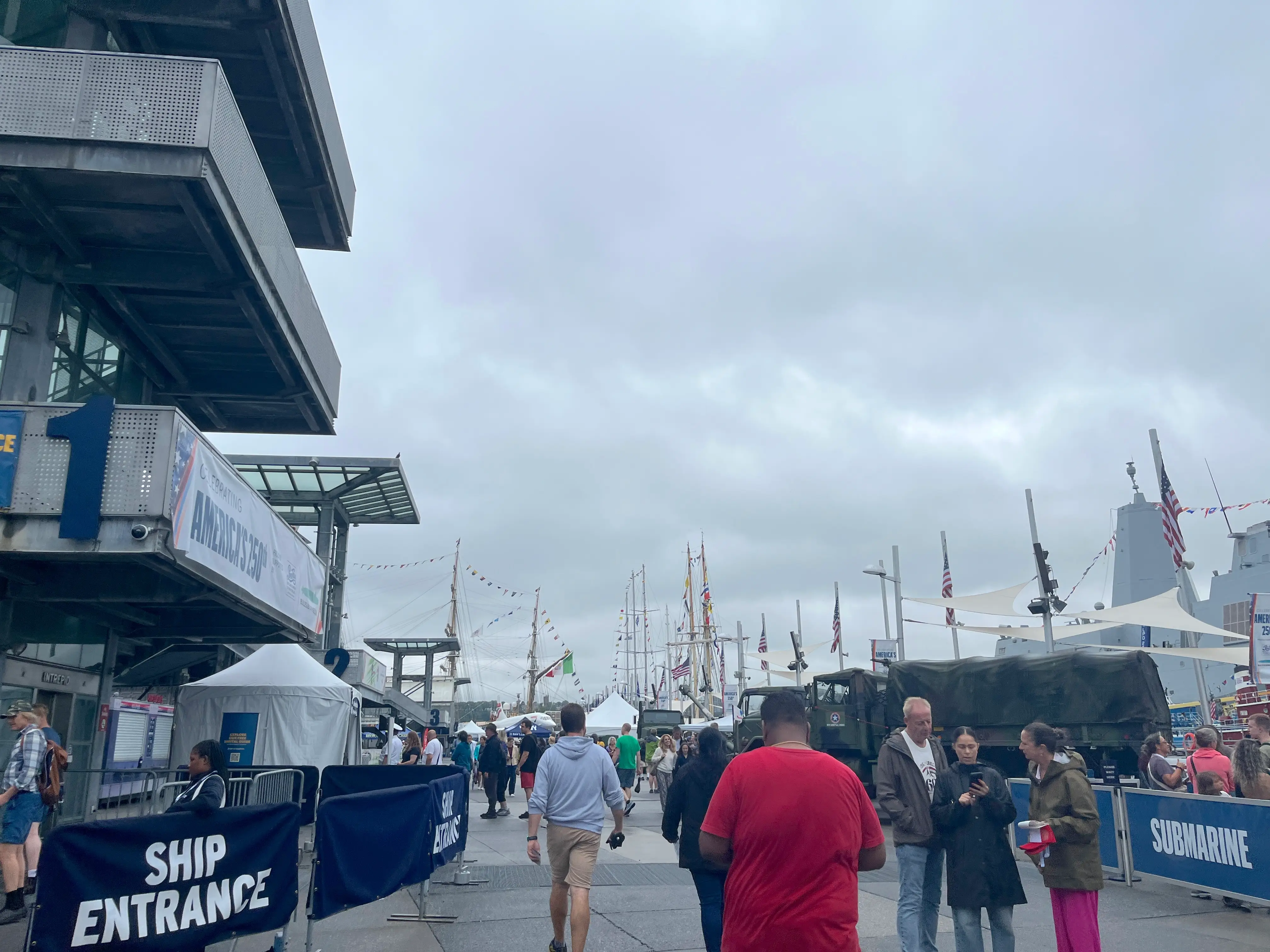
Admission to the Intrepid Museum, housed on the historic USS Intrepid aircraft carrier, usually costs $38 per adult, but I received a free pier-only ticket that allowed me to access the tall ship tours without paying for the museum.
The first ship I’d reserved was the HMS Gladan, a Swedish Navy training vessel built in 1947.
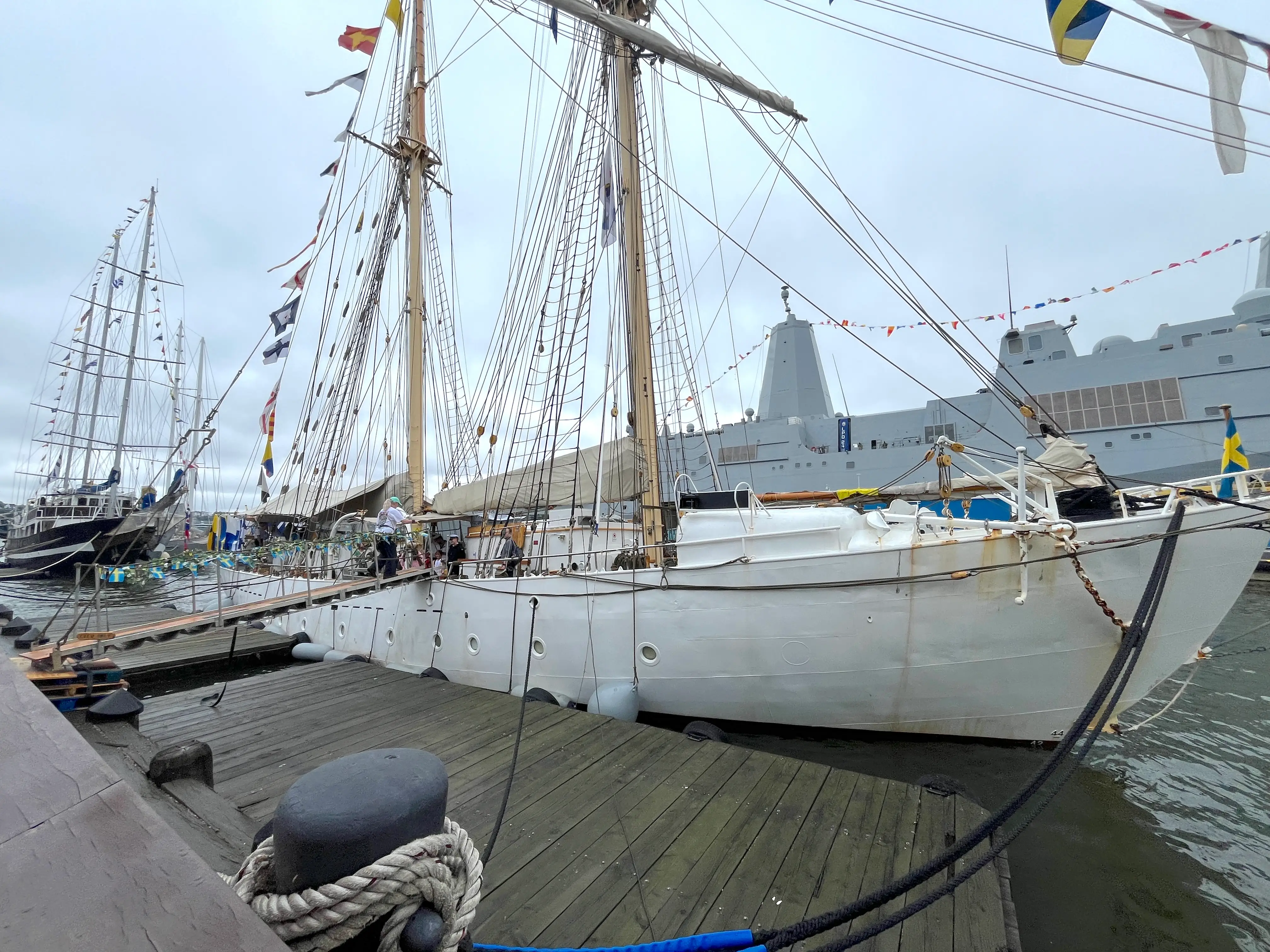
The 129-foot-long schooner houses nine officers and 19 midshipmen.
I got to peek into the galley, where the week’s menu was written in Swedish.
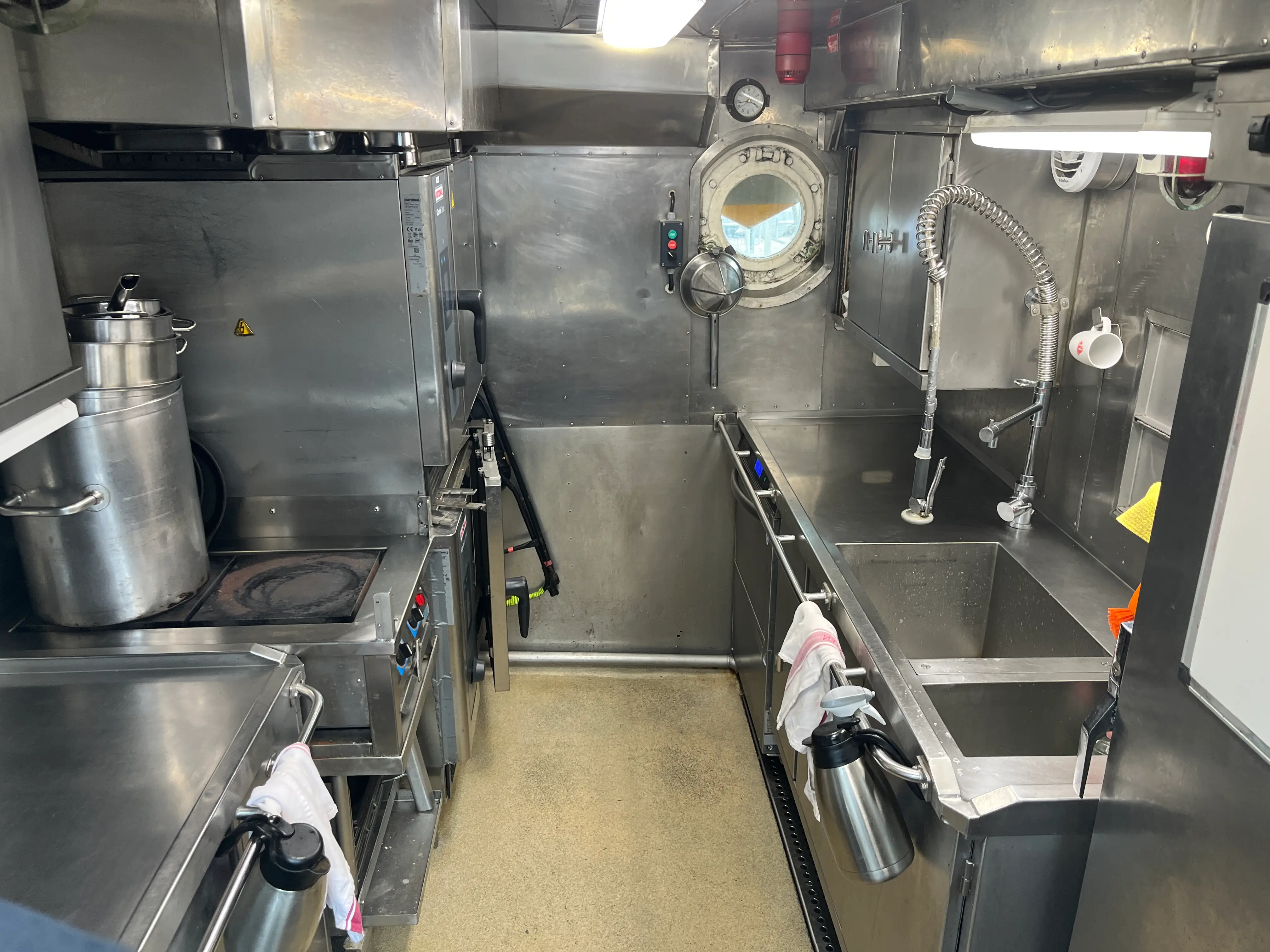
If Google Translate is to be trusted, the standard breakfast menu consisted of porridge and jam, boiled eggs with caviar, yogurt, cereal, and fruit salad.
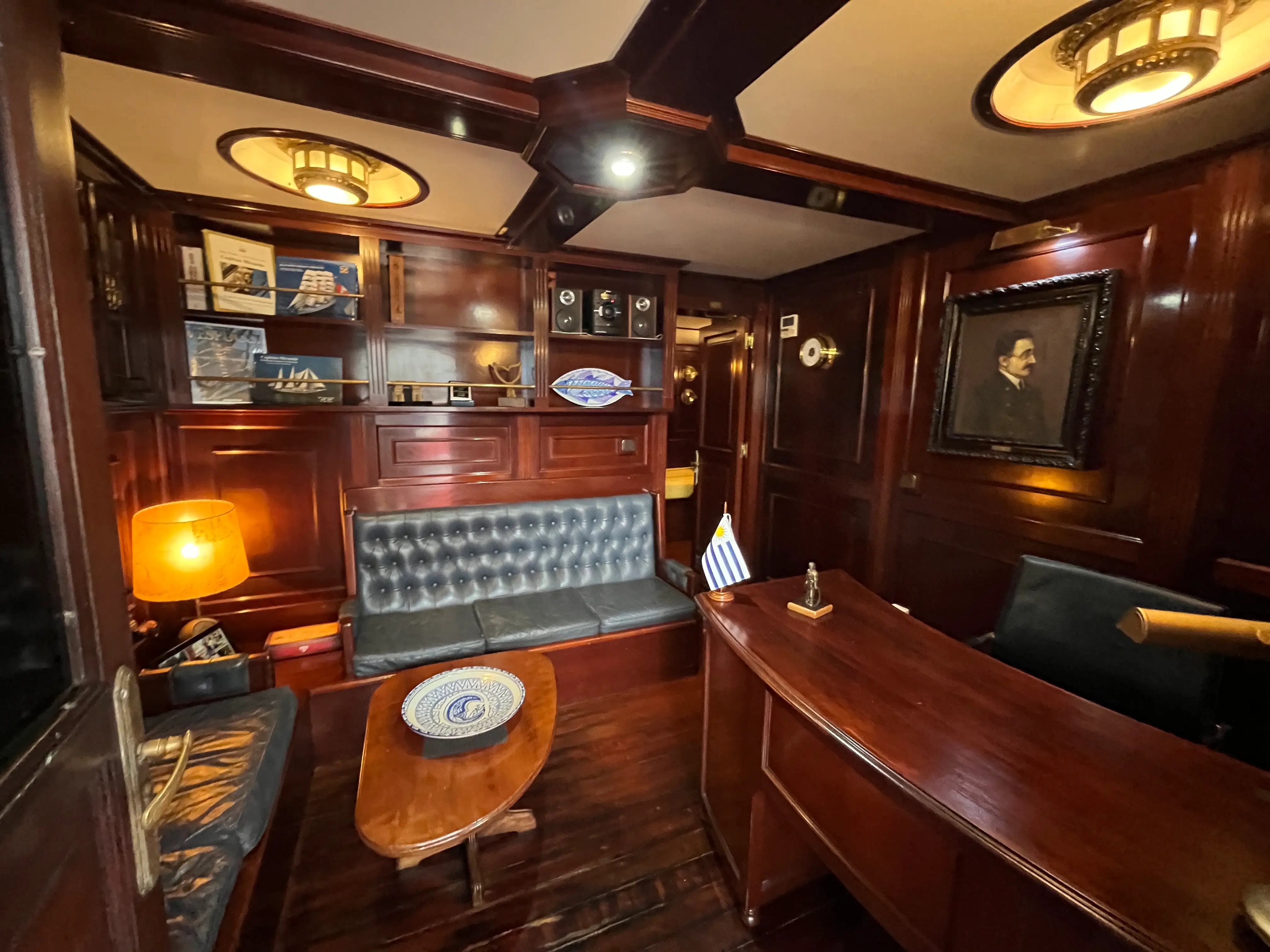
I then boarded Uruguay’s Capitan Miranda, built as a hydrographic vessel in 1930 and repurposed as a naval training ship in 1978.
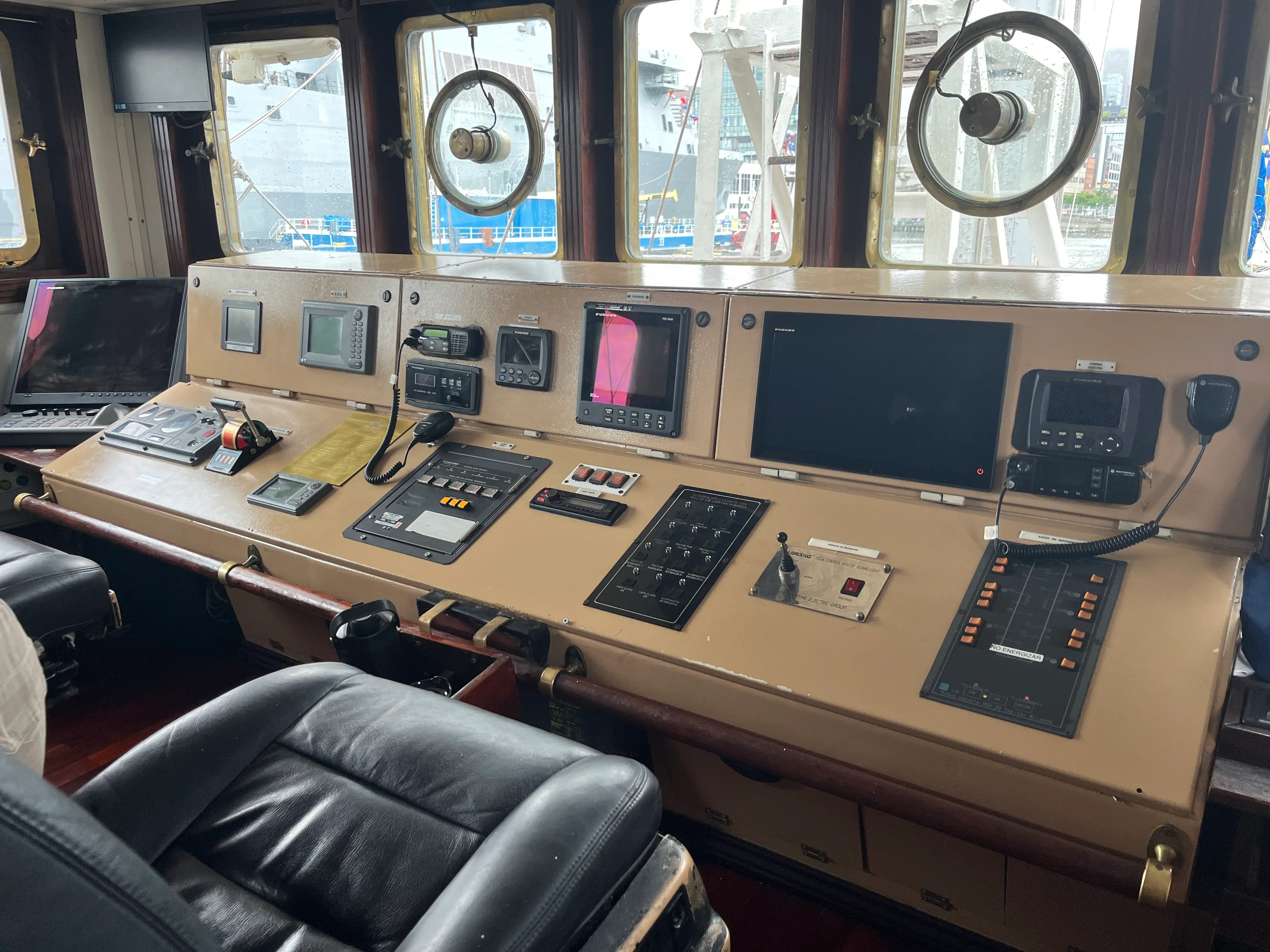
Capitan Miranda measures 210 feet long with 9,185 square feet of sail.
Capitan Miranda featured gorgeous woodwork in the officers’ quarters and crew dining areas.
In the crew’s dining room, I spotted a deck of Uno cards and a small chessboard next to some barrel-shaped drums called tamboriles, which are used to play candombe music.
For my final ship tour, I boarded Italy’s Amerigo Vespucci, known as “the most beautiful ship in the world.”
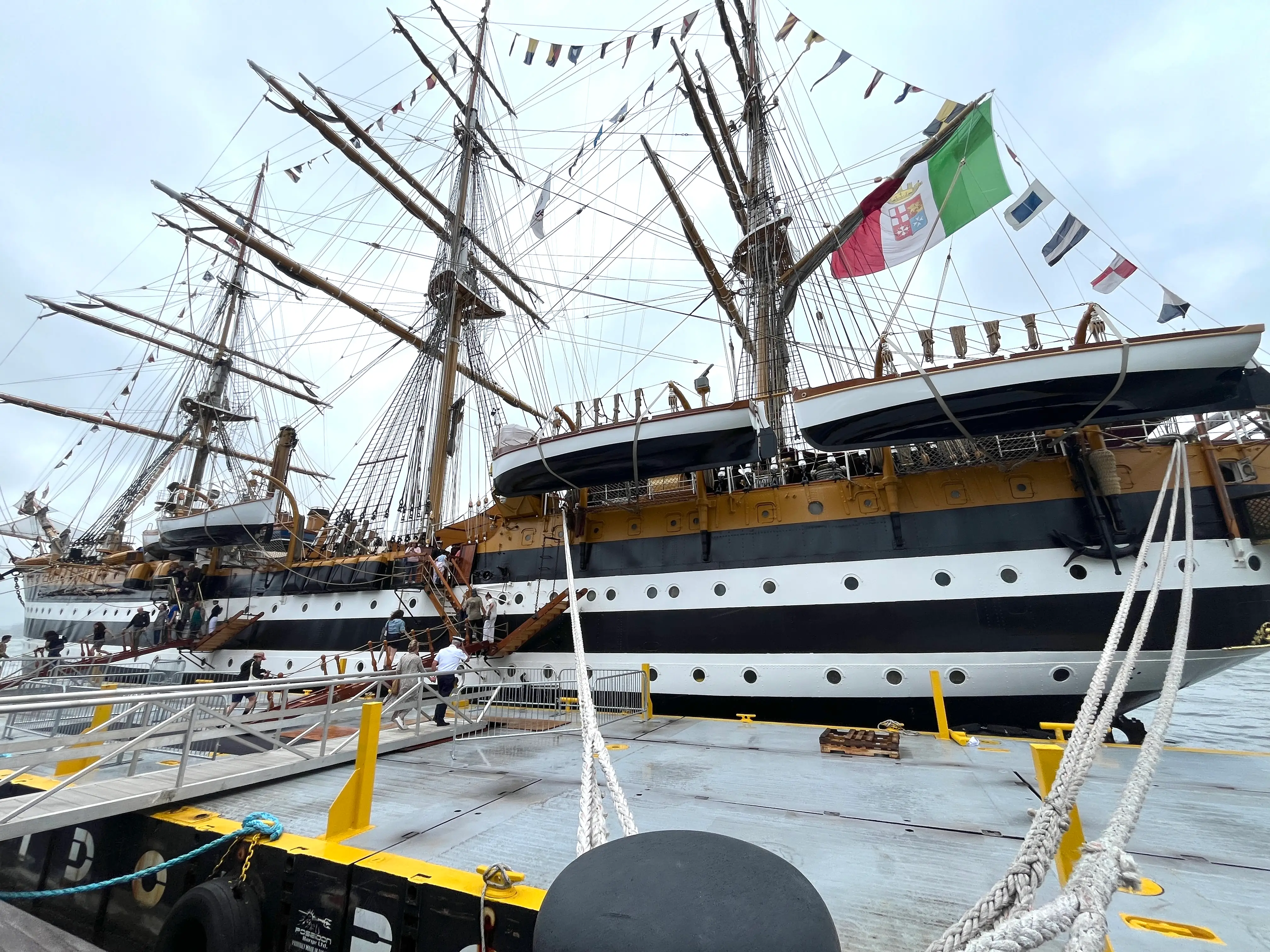
In 1962, the USS Independence aircraft carrier signaled to Amerigo Vespucci that it was “the most beautiful ship in the world” when the two ships crossed paths in the Mediterranean.
In 2022, the aircraft carrier USS George H.W. Bush repeated the compliment when the Italian ship sailed nearby, conveying, “You are still, after 60 years, the most beautiful ship in the world.”
Aside from World War II, Amerigo Vespucci has been continuously active since 1931.
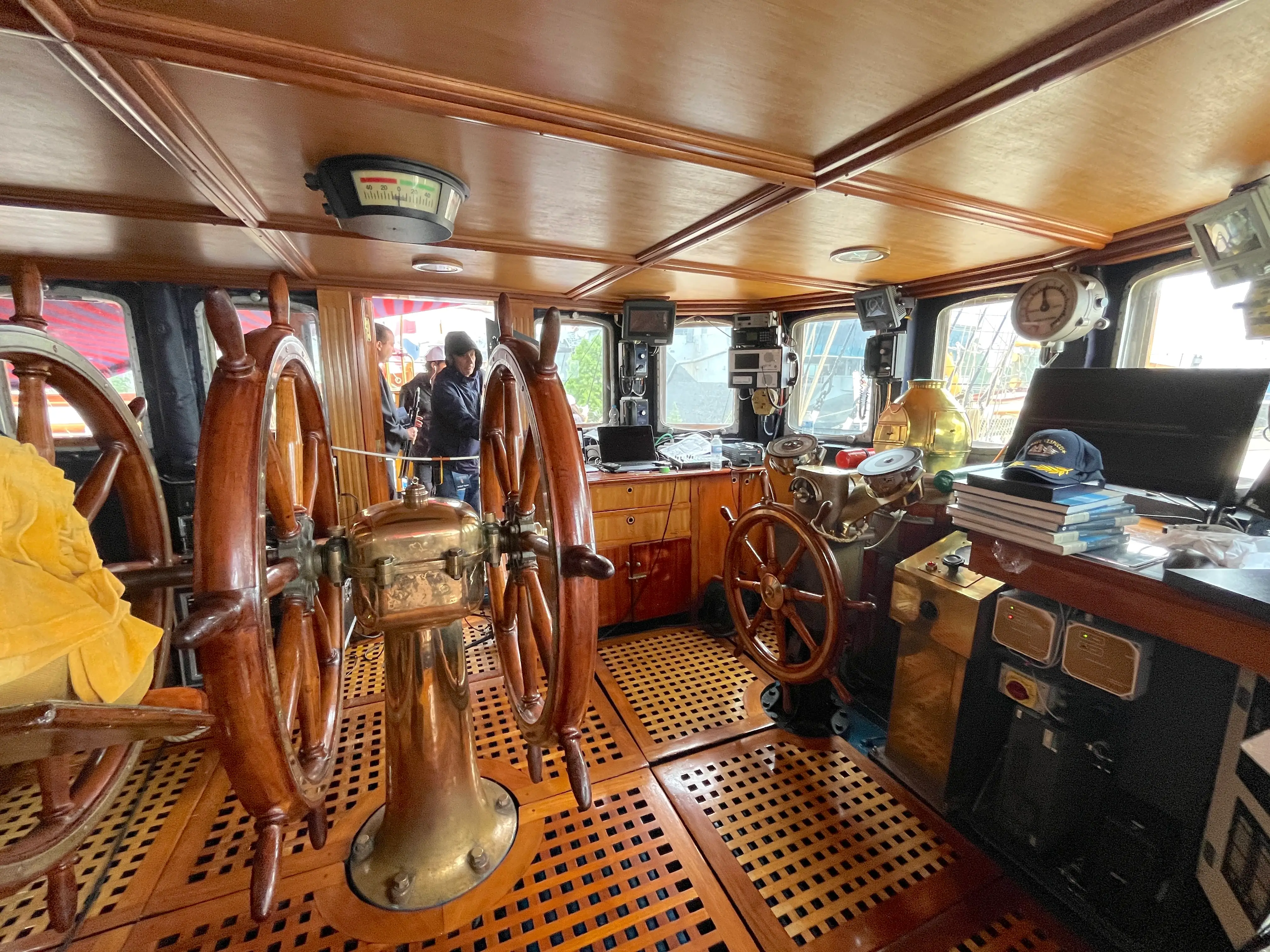
Measuring 329 feet long with 30,400 square feet of sail, Amerigo Vespucci carries 16 officers, 70 non-commissioned officers, 190 sailors, and, in the summertime, 130 cadets from the Italian Naval Academy.
The ingathering of historic ships from around the world offered a fitting tribute on America’s 250th birthday.
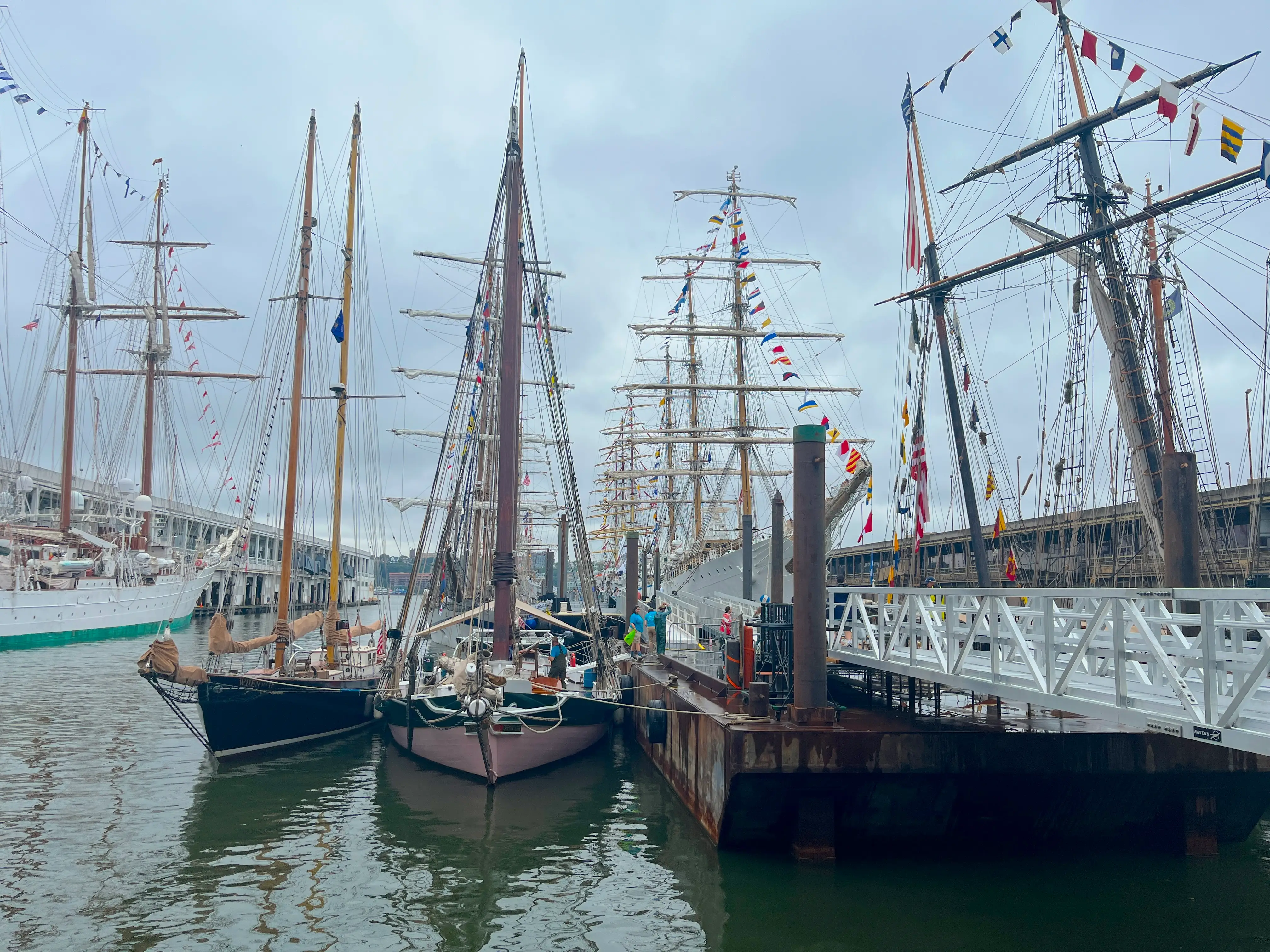
The largest maritime gathering in US history offered an impressive display of ships and modern naval alliances. What surprised me, though, were the personal connections.
On active-duty US Navy ships, older veterans regaled crew members with tales from their time at sea, comparing the advancements in technology and the patches on their uniforms.
On the foreign ships, visitors chatted excitedly with uniformed crew members in their native languages — Spanish, Polish, Swedish, Italian — either as native speakers themselves or in broken sentences as they attempted to practice their skills. A crew member on Uruguay’s Capitan Miranda told me that ships serve as “floating embassies,” promoting international relations while also providing a taste of home to citizens and expats abroad.
Boarding ships from Poland and the Dominican Republic, two countries included in my own family’s history as American immigrants, also held special significance for me. I sent a steady stream of photos to the family group chat, marveling at seeing parts of our journey to America represented by the towering sails.
It was definitely one of the best birthday parties I’ve been to in a while.
Read the original article on Business Insider