
Global Brain Health Crisis: 3.4Bln People Affected as Nigeria Launches Major Brain Health Initiative

More than 3.4 billion people, representing over 40 per cent of the world’s population, are living with neurological disorders, making them the leading cause of disability globally, the Federal Ministry of Health and Social Welfare has said.
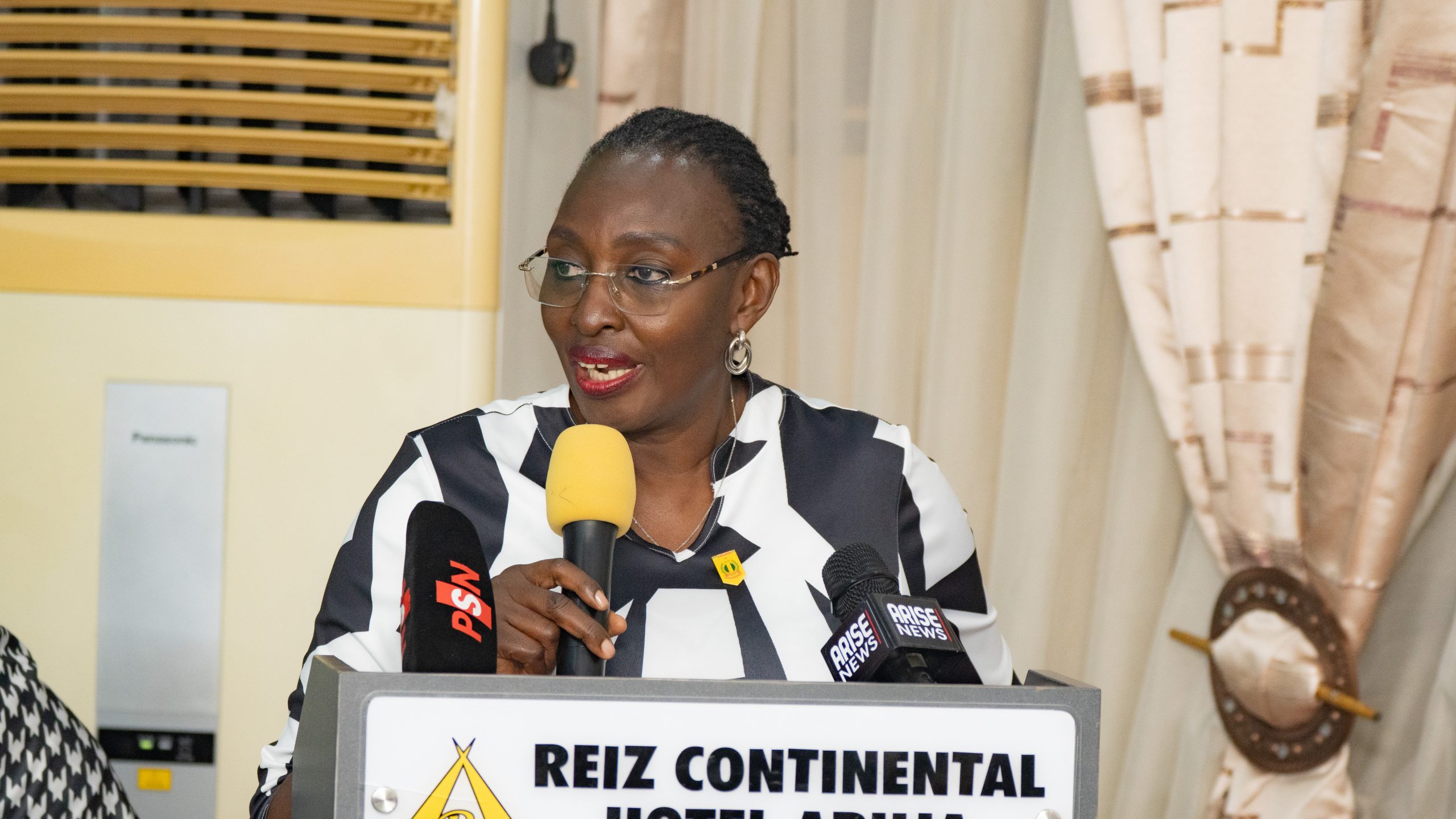
Persecondnews correspondent reports that the Permanent Secretary of the ministry, Daju Kachollom, disclosed this on Wednesday at a press briefing during the maiden official commemoration of World Brain Day 2026 in Abuja.
Kachollom emphasized that Nigeria is equally affected by the growing burden of neurological disorders, noting that stroke, epilepsy, dementia, Parkinson’s disease, traumatic brain injuries and neurodevelopmental disorders continue to place increasing pressure on individuals, families and the country’s healthcare system.
“Today, the world faces an unprecedented burden of neurological disorders. More than 3.4 billion people, over 40 per cent of the global population, are living with neurological conditions, making them the leading cause of disability worldwide,” she told newsmen.
She described brain health as a key pillar of national development, and stressed that investing in neurological care goes beyond improving health outcomes to strengthening Nigeria’s economy and human capital.
She declared:”Investing in brain health is not merely a health priority; it is an investment in Nigeria’s human capital, economic resilience and sustainable development.”
She also announced ministry’s approval of the establishment of a Brain Health Desk under the National Mental Health Programme to coordinate national efforts on prevention, policy development, research, advocacy and capacity building.
“The Federal Ministry of Health and Social Welfare has approved the establishment of a Brain Health Desk under the National Mental Health Programme. This marks a significant milestone in Nigeria’s efforts to strengthen national leadership and coordination for brain health.”
Kachollom also disclosed that Nigeria would begin the development of a roadmap for its first National Brain Health Agenda.
“Nigeria will commence the development of its first National Brain Health Agenda. This landmark framework will guide national priorities for brain health and improve access to quality of neurological care across the country.”
She urged government agencies, professional associations, development partners, civil society organisations, the media and the public to work together to reduce stigma, promote early diagnosis and improve access to rehabilitation services and essential medicines.
The Permanent Secretary further announced that, following the maiden official commemoration, World Brain Day will henceforth be included in the ministry’s calendar of annual national health observances and marked every July 22 in Nigeria.
“To sustain national awareness and advocacy, the ministry henceforth will include World Brain Day in its calendar of annual national health observances,” she said.
She added that every investment in brain health is an investment in Nigeria’s future, saying improved brain health would boost productivity, innovation and sustainable national development.
This year’s World Brain Day is themed “Brain Health: Access for All,” and it marks the official observance of the global health campaign in Nigeria.