
Frank Tietie: Diezani’s Acquittal Was Always A Possibility, Media Trials Don’t Equal Conviction

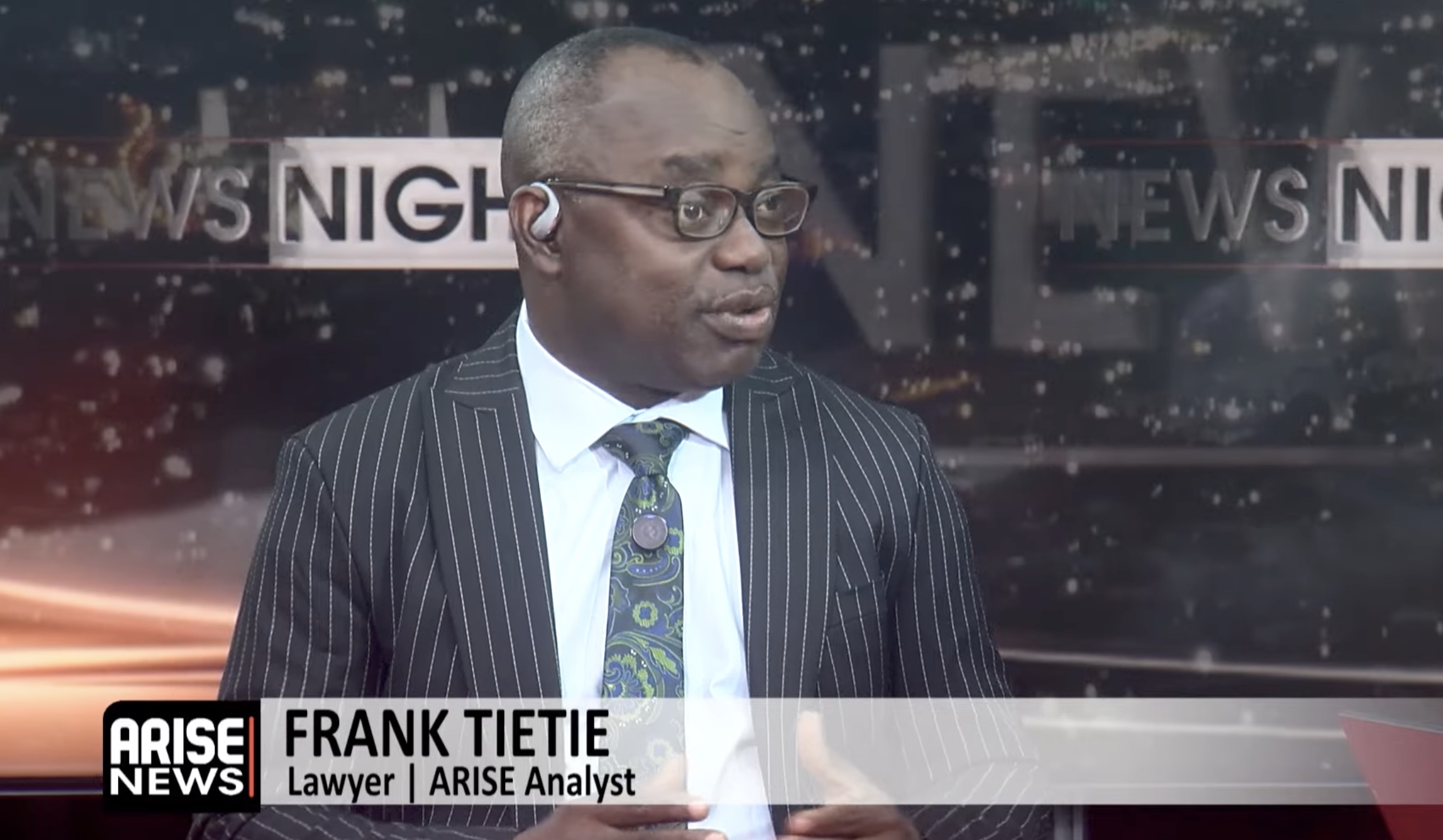
A lawyer and Arise News analyst, Frank Tietie, has said Diezani Alison-Madueke’s acquittal was expected, stressing that media narratives and asset seizures do not amount to conviction.
The Arise News analyst said this in interview with ARISE NEWS on Wednesday following the acquittal of the former Petroleum Minister, Alison-Madueke.
Recall that Diezani Alison-Madueke was charged by the UK’s National Crime Agency, (NCA), following an 11-year international investigation into allegations of bribery and corruption.
The high-profile case alleged that the former Nigerian petroleum minister received cash, luxury items, and property renovations from oil executives in return for lucrative state contracts.
However, the trial ended at Southwark Crown Court with a unanimous not-guilty verdict, clearing her of all six charges on Wednesday.
“It was a plain possibility because what this uh, this acquittal has done is to prove that media trials, asset forfeiture, and political vilification do not actually amount to conviction,” he stated.
Adding, he said: “Back home here in Nigeria, many Nigerians, a whole lot of Nigerians, believe that Diezani Alison-Madueke should be crucified because she had already been found guilty, given all of the assets that were seized from her and all of that. But we forget that this is a criminal trial, and that the standard of proof required is so high, and it’s often referred to as that which is beyond reasonable doubt. The jury of the Crown Court didn’t believe that the prosecution proved all of those elements of the offences against Diezani. They didn’t believe that they were proven beyond reasonable doubt. The fact that she lived a luxurious lifestyle or she got gifts didn’t really mean she was bribed.
“She proved it to the point that she said, as petroleum minister, how is she responsible for issuing out all of these benefits, so-called benefits of the public office, in terms of licenses? There were institutional processes and other agencies of government involved, and the jury believed her. And a whole lot of factors were considered, and that’s why the prosecution’s case failed,” he explained.
Arguing that the UK acquittal could affect the cases against Alison-Madueke in Nigeria, Tietie said the EFCC still has charges, asset forfeiture proceedings, and arrest warrants in place.
“It does indeed affect what is going to happen to the Nigerian cases or investigation here. The EFCC has quite a number of charges against Madueke, a number of asset forfeiture proceedings, and obtained warrants of arrest, but I’m afraid it’s going to be very difficult for the EFCC now and the Nigerian authorities to carry out any form of extradition of Diezani Madueke to Nigeria to face these charges,” he argued.
He cited the long investigation, aged evidence, and witness memory issues as challenges, and raises double jeopardy concerns that could hinder extradition or retrial even if charges are reclassified.
“For many reasons, you know, apart from the fact that, you know, one of the things the jury relied on was the length of investigation. It took more than 10 years. The fact that witnesses are said to have must have lost their memory with regards to certain facts. And to also think that documents that were seized in Nigeria were actually relied upon by Diezani Madueke that those were the documents that have proven that she indeed paid for some of those luxuries herself. So, whereas she doesn’t have an immunity based on this conviction, it will be utterly difficult for the Nigerian authorities to now apply for her extradition back to Nigeria,” he said.
Emphasising that no trial could proceed in Nigeria unless Diezani Alison-Madueke was physically present, Tietie said she would likely oppose extradition on human rights grounds.
“No trial can take place in Nigeria unless she’s present. And of course, based on human rights grounds, she will object. I mean, Diezani and her lawyers will object to being extradited to Nigeria to face trial,” he reiterated.
He suggested this could ultimately result in the collapse of the Nigerian case after 11 years of investigation with limited prosecutorial success.
“In that case, this might just be the collapse of the Nigerian case against Diezani. It’s going to be very difficult for Nigeria,” he maintained.
Favour Odima
Follow us on: