

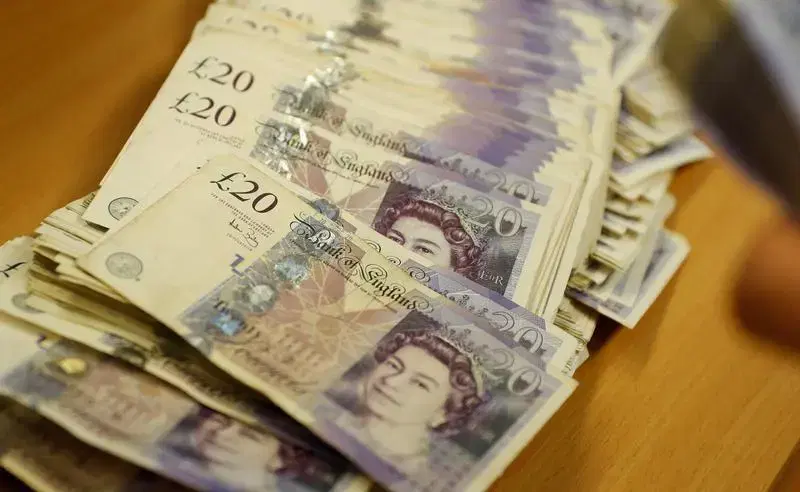
The British Pound opened the buying and selling week on Monday, April 20, 2026, with a notable efficiency in opposition to the Nigerian Naira, reflecting ongoing shifts within the world foreign money markets. As traders and companies monitor the beginning of the week, the Pound stays a major benchmark for high-value transactions and worldwide training funds in Nigeria.
Within the Nigerian International Change Market (NFEM), the official alternate charge for the British Pound was quoted at roughly 1817.83 per GBP through the early morning buying and selling hours. This charge demonstrates a stage of stability throughout the official window, because the market reacts to the most recent liquidity changes. The intra-day motion noticed the Pound contact a quick excessive close to 1820.47 earlier within the session earlier than settling again towards the present benchmark, indicating lively value discovery amongst approved sellers.
Within the parallel market, the alternate charge continues to command a premium. Merchants in key areas like Broad Avenue in Lagos and Wuse Zone 4 in Abuja reported promoting charges for the British Pound hovering across the 1870 to 1885 vary, relying on quantity and placement. Whereas the unfold between the official and black market charges has remained comparatively constant in current weeks, the demand for Kilos stays sturdy, notably for people fulfilling offshore obligations.
Sponsored
{Economic} consultants counsel that the Naira’s present standing in opposition to the Pound is closely influenced by Nigeria’s exterior reserve place and the demand for overseas foreign money at the beginning of the brand new work week. Moreover, the Pound’s energy on the worldwide stage, pushed by UK {economic} information, has contributed to its agency pricing in opposition to the native foreign money.
For travellers and importers, these charges counsel a interval of cautious stability. Whereas there was no drastic spike within the opening hours of April 20, the slight fluctuations within the official window spotlight the dynamic nature of the Nigerian foreign exchange panorama because it balances home demand with worldwide market forces.