

KEY POINTS
- AFAN President Mohammed Magaji wants the Federal Government to create a national committee to prevent farmer-herder clashes.
- Magaji said insecurity in the North-West and North-East has shut farmers out of their farmlands and slashed food production.
- He cited Gombe State, where a shift from conflict resolution to conflict prevention sharply reduced farmer-herder clashes.
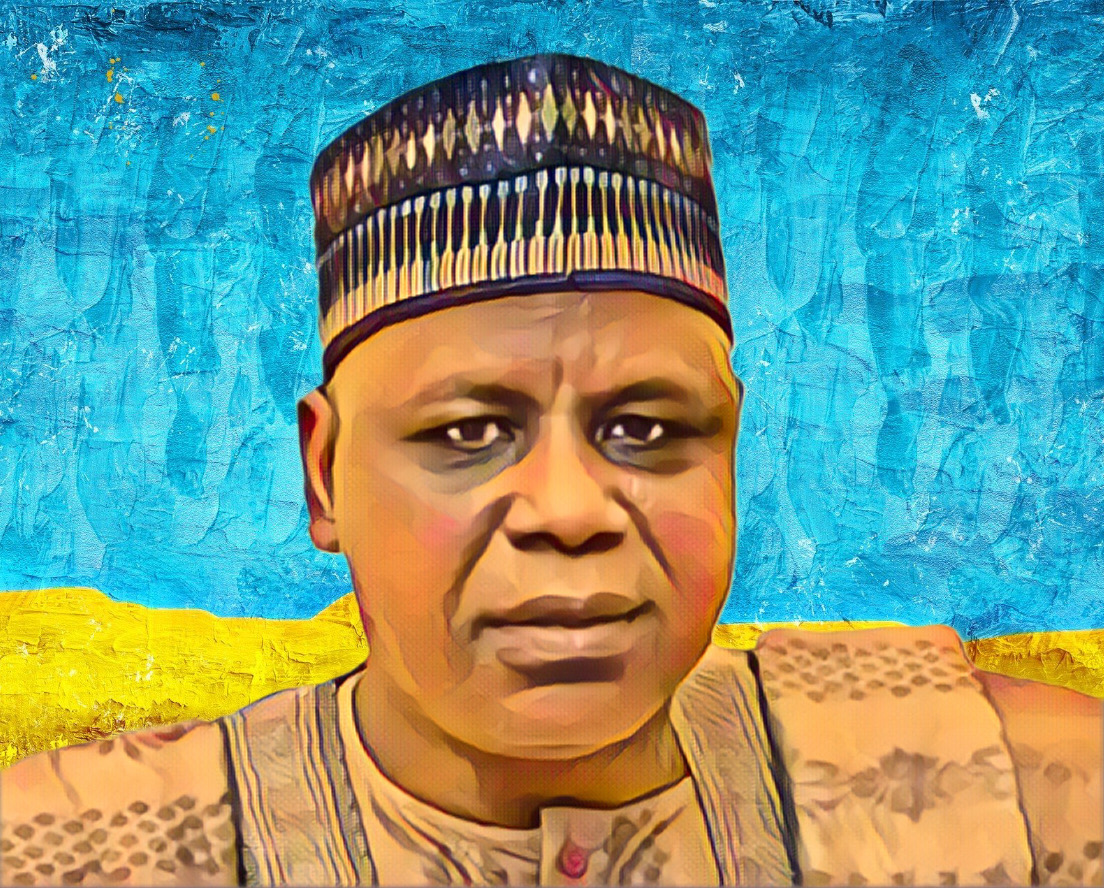
Mohammed Magaji, the president of the All-Farmers Association of Nigeria, wants the Federal Government to set up a dedicated national committee to prevent farmer-herder clashes before they erupt. He said insecurity is keeping Nigerian farmers off their farmlands and dragging down food production across the country.
Magaji made the case at a panel session during Vanguard’s Economic Discourse in Lagos last week. He singled out the North-West and North-East as the worst-hit zones, where banditry, insurgency and herder violence have made farming impossible in many communities.
Why prevention beats resolution
Specifically, Magaji argued that the proposed committee should focus on preventing clashes before they happen, not just resolving them after the fact. He said several state commissioners have already endorsed the idea.
“We suggest that the Federal Government should constitute a committee at the national level, not just a conflict resolution committee, but a conflict prevention committee,” Magaji said.
Furthermore, he said the panel should bring together intellectuals, security experts and other critical stakeholders. The structure, in his telling, has to anticipate flashpoints rather than chase them.
A Gombe blueprint
Drawing on past experience, Magaji pointed to Gombe State, where a shift from conflict resolution to conflict prevention sharply reduced clashes between farmers and herders.
“That approach has helped to significantly reduce farmer-herder clashes in Gombe State. Based on this experience, many commissioners are recommending that the Federal Government establish a national farmer-herder conflict prevention committee, composed of intellectuals, security experts, and other stakeholders,” Magaji said.
Notably, Magaji said farmers in Kaduna State, who once produced up to 100,000 bags of maize, can no longer access their farms because of the security threat. He said similar stories play out across the North-West and North-East.
“If there is insecurity, our members do not go to the farm at all. That is exactly what is happening in most states, especially in the North-West and North-East,” Magaji said.
Specifically, he said farmer-herder clashes are no longer the only worry. Banditry and Boko Haram-linked attacks have made farming impossible in many communities, with the worst damage in Borno State.
“Before the Boko Haram crisis, farmers in Borno State could cultivate during three different seasons. Today, in about 78 to 80 percent of the local government areas, farming is no longer possible. The situation is similar in the North-West,” Magaji said.
A call to action
Furthermore, Magaji urged the federal government to step up efforts on insecurity, particularly banditry and Boko Haram. He said farmers will return to their fields and significantly increase production once the security picture improves.
With food prices climbing and import bills rising, the gap between Nigeria’s farming potential and its actual output has become a national concern. Crucially, Magaji’s proposal lands at a moment when the Tinubu administration is under pressure to show concrete results on food security. Whether the government adopts the prevention model is now the key question.