

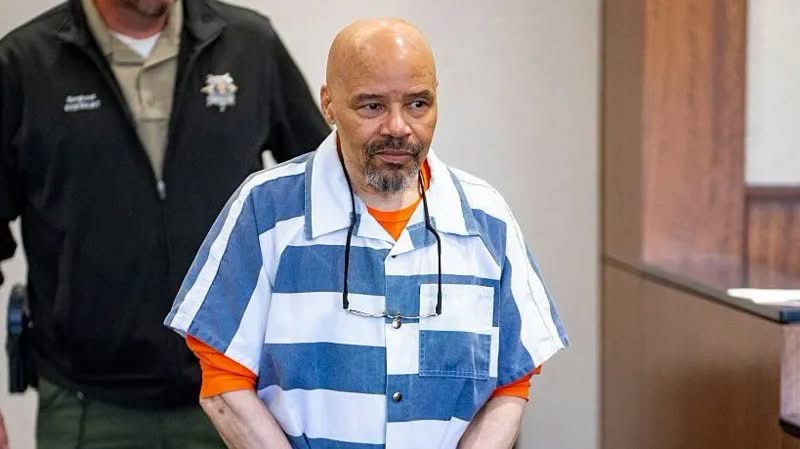
A 71-year-old Utah man who spent 41 years behind bars, much of it on death row, has been released on bail after newly analysed DNA evidence excluded him as a possible contributor to genetic material recovered from the scene of a 1985 murder.
Douglas Stewart Carter was convicted and sentenced to death in 1985 for the killing of Eva Olesen in Provo, Utah. He has consistently maintained his innocence and said a confession he signed during police interrogation was coerced.
A Utah judge, Derek Pullan, ordered Carter’s release on Monday, September 28, 2026, after prosecutors said recently analysed DNA evidence did not match him. The judge nevertheless noted that the new evidence did not by itself establish Carter’s innocence and that the murder charge remains pending.
The DNA analysis, received by prosecutors on September 22, excluded Carter as a possible contributor to blood found on a doorknob and genetic material recovered from the handle of the knife used to stab Olesen.
The development prompted Utah County prosecutors to withdraw their previous notice that they intended to seek the death penalty in Carter’s retrial. Prosecutors have also said they are reassessing the remaining evidence in the case.
Carter was convicted largely on the basis of a signed confession and testimony from two witnesses who said he had told them he killed Olesen. The witnesses later recanted their testimony, alleging that police had paid them, offered gifts and threatened them with deportation if they did not implicate Carter.
The Utah Supreme Court ordered a new trial last year after finding misconduct by investigators. Carter’s defence has also argued that investigators suppressed evidence pointing to other possible suspects and that people reported seeing a white man fleeing the crime scene.
Olesen, 57, was found dead in her Provo home on February 27, 1985. She had been stabbed and shot. She was the aunt of the city’s police chief at the time.
At Monday’s bail hearing, Judge Pullan said the DNA results had significantly weakened the evidence previously relied upon to keep Carter in custody. However, he said a reasonable jury could still potentially find Carter guilty based on the remaining evidence.
As part of the conditions of his release, Carter must wear a GPS monitoring device and is prohibited from contacting members of Olesen’s family. He is also subject to other conditions, including a curfew and participation in a re-entry programme.
Utah County prosecutor Erwin Petilos told the court that reassessing Carter’s bail was “necessary and fair” while prosecutors review the remaining evidence.
The victim’s family has expressed concern about Carter’s release but has said it would not comment on whether he was guilty or innocent while prosecutors determine how to proceed.
Carter’s lawyers are seeking dismissal of the case, arguing that the new DNA findings, questions surrounding the original confession and allegations of investigative misconduct undermine the prosecution.
A new trial is currently scheduled to begin in July 2027.
The case remains unresolved. The new DNA evidence excludes Carter from the specific samples tested, but prosecutors have not declared him exonerated, and the murder charge remains pending.