

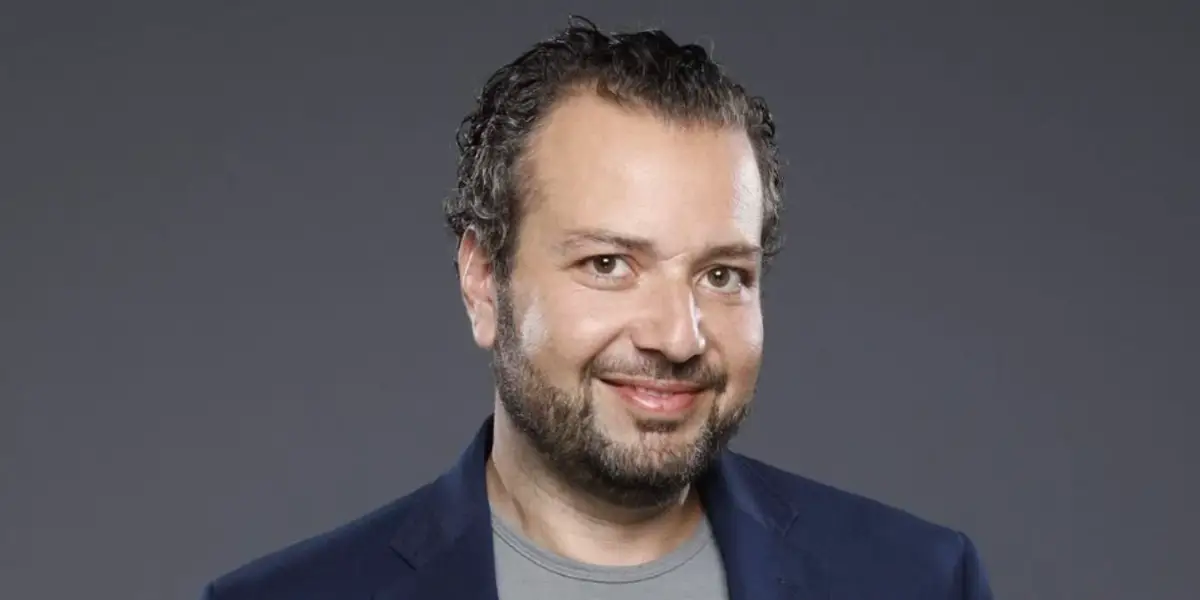

Dropbox is “virtual-first” and that’s not changing anytime soon, according to its new co-CEO.
While many companies continue to enforce return-to-office mandates, Ashraf Alkarmi said that when he takes over as Dropbox’s sole CEO, he plans to maintain the company’s remote-first structure.
Alkarmi previously held leadership roles at Vimeo and Meta and joined Dropbox as senior vice president and general manager of its core products in 2024. He became co-CEO in May, alongside Dropbox founder Drew Houston.
Alkarmi said the cloud storage company’s virtual-first structure is an “incredible model” and he continues to believe in it. Dropbox officially implemented the policy in 2021 and said it redesigned its workforce to focus on flexibility.
“Flexibility and autonomy are the ultimate currency in modern work,” Alkarmi told Business Insider.
The company said that average applications per job were nearly sevenfold higher in 2025 than they were before virtual-first.
It also said it has seen the highest offer acceptance rates and the lowest attrition rates since enacting the model. The company added that 74% of new hires in 2026 cite the ability to work in a virtual-first environment as one of the reasons they joined Dropbox.
Alkarmi made the distinction that virtual-first doesn’t mean remote-only.
The company still has in-person gatherings, such as for its annual hack week, where workers fly in to San Francisco, Seattle, and Dublin studios to participate in a hackathon.
Employees develop and build their hack week projects from Monday to Thursday, and winning projects are chosen on Friday. Throughout the week, Dropboxers are encouraged to participate in additional programming, like customer coffee chats, AI learning sessions, and networking.
The company also holds leadership off-sites where senior staff meet to focus on company planning, strategy, and team building. Individual teams also have their own off-sites.
The combination of in-person interaction with virtual work is critical, the co-CEO said.
“In these moments, connection matters,” Alkarmi said.
Alkarmi added that those gatherings help the company’s workforce build connections so that when they return to virtual work, they’re on the same page and have a foundation of trust and respect.
His co-CEO, Houston, has previously criticized return-to-office mandates.
“We can be a lot less dumb than forcing people back into a car three days a week or whatever, to literally be back on the same Zoom meeting they would have been at home,” Houston said on the “Leadership Next” podcast in 2025.
Read the original article on Business Insider