

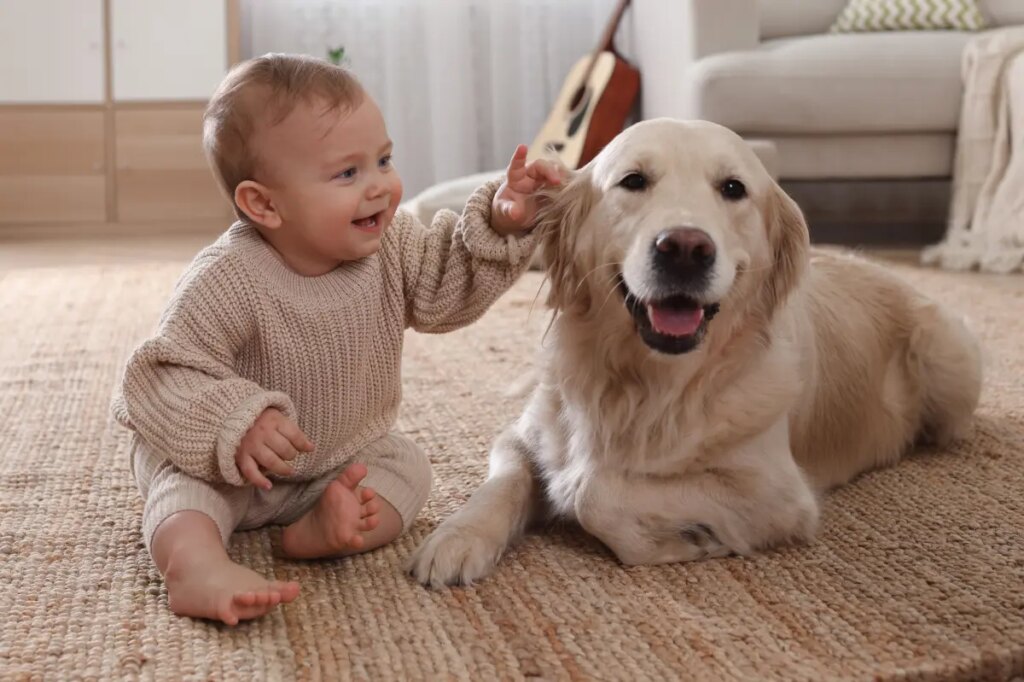
Your dog’s germs could protect your kids from disease, a new study shows.
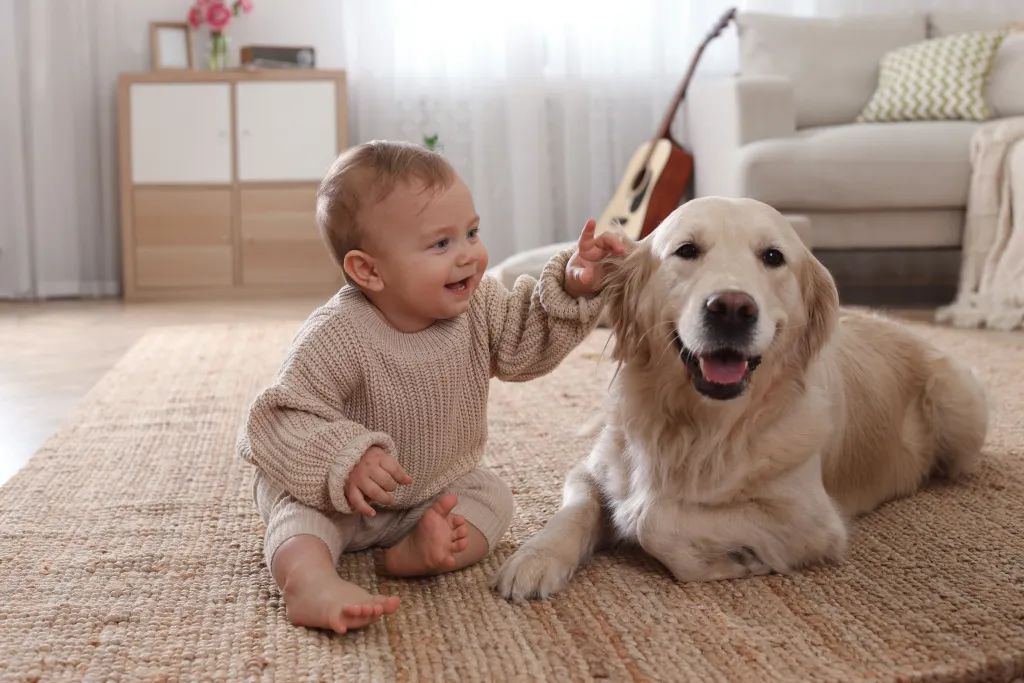
Infants who spend their first year of life with a pup in the house will get exposed to their microbes, which researchers found helps babies avoid things like fever and ear infections.
The microbes that come off a dog — through their hair, skin and drool — could explain up to a quarter of how dog ownership helps a child in the first year of life.
Researchers believe the rest might be explained by other things, like more time outside with the dog, that are boosting kids’ immune systems.
“It has been suggested that in the future it may be possible to modify the home microbiota in ways that promote health,” says author and pediatrician Jenni Mäki. “Our study shows that dog ownership already does this today.”
And broader research shows that a healthier first year can have big benefits for health as they get older, too.
Dog slobber, healthy baby
Researchers in Finland collected dust from homes keeping dogs and compared it with health records for about 368 babies.
They found that eight microbes in the dust that came from dogs could help explain if the baby avoided an ear infection or fever, or if they had to take antibiotics.
For example, Collinsella — which are found in the gut of both dogs and cats — was shown to increase the number of health weeks for a baby and decrease the amount of antibiotics they had to take. When this bacteria was in the home it, also lowered instances of ear infections and fevers.
Previous research showed this bacteria also helps diversity in the infant’s gut, which could help them avoid allergies and asthma.
The strongest association researchers in this new study found is that pasteurella — found in the mouths and airways of dogs and cats — lowered time the baby spent sick with a fever.
The big picture
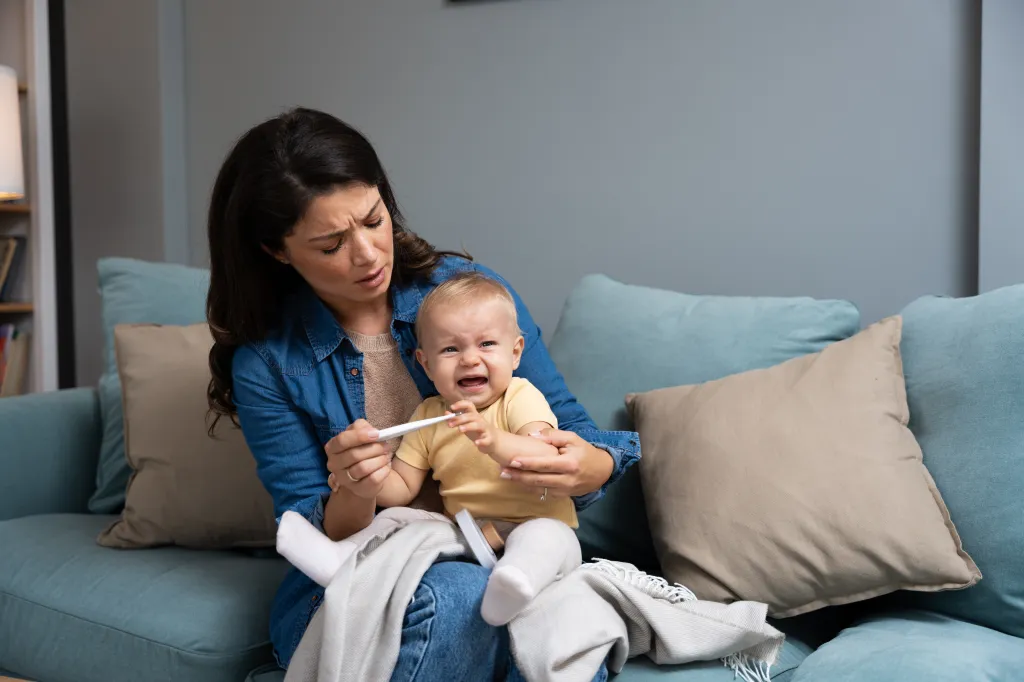
Avoiding illness at the start of life can have health benefits down the road. Kids who get sick more often during the first three years of their life are more than twice as likely to get sick later in childhood and require antibiotics, previous research had found.
Experts say that getting sick early on is also linked to asthma, allergies, heart disease, diabetes and even mental disorders later in life.
“Respiratory tract infections in early childhood are a significant risk factor for asthma,” chief researcher Anne Karvonen said. “When some of children’s respiratory tract infections can be prevented with dog-associated microbes, this may also reduce the child’s risk of developing asthma later in life.”
There’s a theory called the “hygiene hypothesis,” which suggests being too clean sets up babies and children for failure. That’s because they build up their immune system during this period — with less exposure to different germs, the less their immune system develops.
That said, the opposite is true — more germs, stronger immune system. And pets inevitably bring more germs around the house.
Plus, pets offer other health benefits: They can reduce anxiety and stress, increase physical activity, boost kids’ self-esteem, and help them develop emotional and social skills.
Toddlers with dogs were almost 30% less likely to have behavior and social problems compared to those without dogs.
You may have heard that having a pet can increase the odds a kid develops an allergy to that animal. A lot of research has been done on this, and the verdict is still out on whether that’s true.
Researchers believe whether kids develop an allergy depends on when the pet is introduced, and how many pets there are in the house.