

Three prisoners have been killed and at least 23 others injured in two separate prison riots in Sri Lanka, as unrest continues to expose the overcrowding crisis in the country’s correctional facilities.
One prisoner was killed and 10 others injured after a riot broke out late on Thursday at New Magazine Prison in Colombo.
A second disturbance at Kuruwita Prison, about 80 kilometres (50 miles) from the capital, left two prisoners dead and 14 others injured, Public Security Minister Ananda Wijepala told Parliament on Friday.
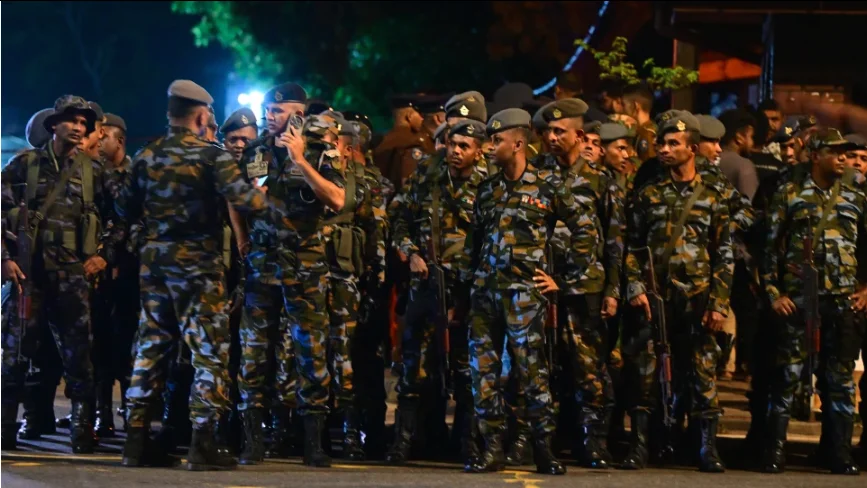
Police and special forces were deployed to both prisons and eventually brought the disturbances under control, Wijepala said.
He added that heavy police and riot-control units had been deployed at three prisons, while inmates who had climbed onto rooftops or moved into open areas were returned to their wards.
“We have controlled the situation now. There are no concerns about security. When you take all these incidents together, it appears that there is planning behind these and an attempt at sabotage. But we can only say anything further after a comprehensive investigation,” Wijepala told lawmakers.
The latest unrest comes amid a long-running overcrowding crisis across Sri Lanka’s prison system, with more than 41,000 inmates held in 22 facilities designed to accommodate about 11,000 people.
More than three-quarters of the inmates are remand prisoners awaiting trial, many of them facing narcotics-related charges, further straining the country’s already overcrowded prison system.
The latest incidents also come weeks after deadly clashes at a prison in the coastal town of Negombo, about 35 kilometres (20 miles) north of Colombo.
Ten prison officials and 20 prisoners were killed during two days of fighting at the facility in early July.
The unrest has continued in recent days, with one inmate killed and several others injured during a riot at Mahara Prison, about 14 kilometres from Colombo, last weekend.
Against the backdrop of the repeated violence and overcrowding, the Sri Lankan government is planning to amend the constitution to extend the tenure of superior court judges by two years.
The move is part of broader efforts to clear a backlog of more than one million court cases, which authorities hope will help reduce the number of prisoners awaiting trial and ease pressure on the country’s overcrowded prisons.