

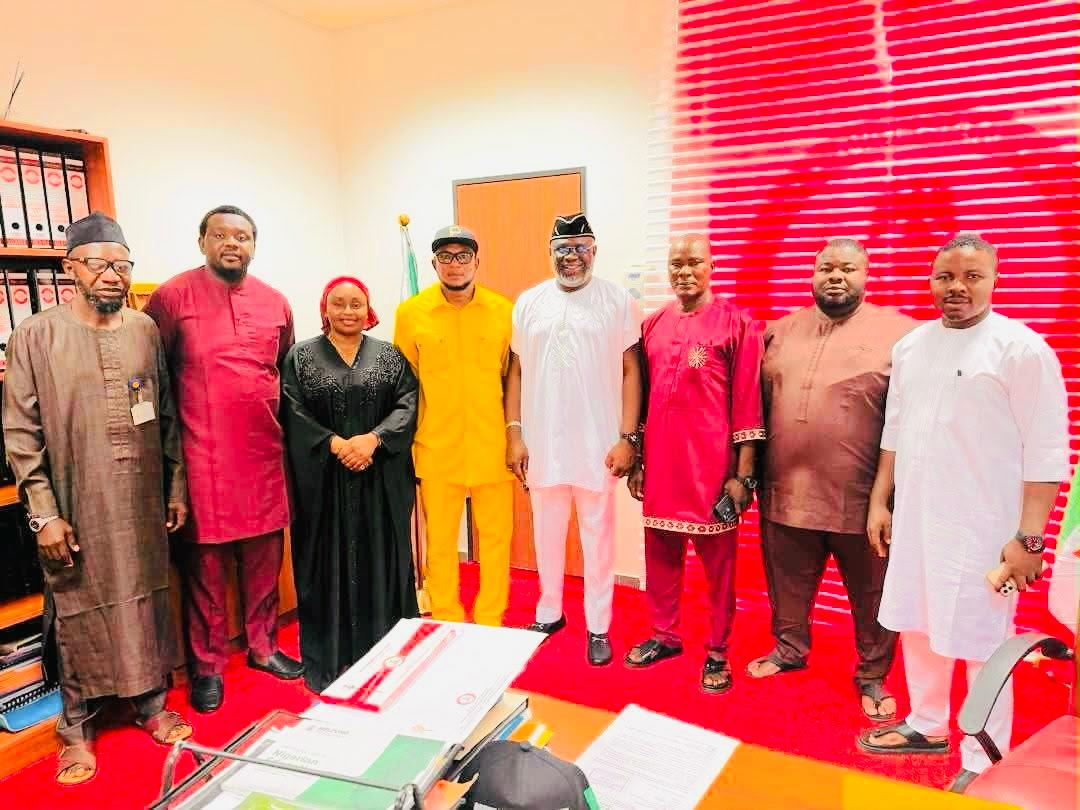
The Chairman of the Senate Committee on Diaspora and Non-Governmental Organisations, Senator Aniekan Etim Bassey, has commenced high level engagement with the Forum of National Youth Leaders of All Political Parties in Nigeria (FNYLPPN) following the forum’s controversial ultimatum directing South Africans living in Nigeria to leave the country before July 31, 2026 over renewed xenophobic attacks on Nigerians and other African nationals in South Africa.
The meeting, which took place at the National Assembly in Abuja, followed a formal letter written by the youth forum to the Senate Committee, notifying lawmakers of its position on what it described as the persistent and unacceptable wave of xenophobic and Afrophobic attacks against Nigerians residing in South Africa. Blueprint reports
The engagement was aimed at finding a peaceful and diplomatic approach to the growing concerns while addressing the grievances expressed by Nigerian youths over the safety of fellow citizens living abroad.
Deadline remains sacrosanct – Forum
Leading the delegation, Chairman of the Forum of National Youth Leaders of All Political Parties in Nigeria, Hon. Eze Onyebuchi, thanked Senator Bassey for promptly responding to the concerns of Nigerian youths and for creating an avenue for direct dialogue.
Despite the engagement, Onyebuchi maintained that the forum’s July 31 ultimatum remains unchanged, insisting that the Federal Government must take concrete and visible steps to protect Nigerians in South Africa before the deadline expires.
According to him, the recurring attacks, destruction of businesses, intimidation and killings of Nigerians have continued for years without sufficient action from the South African authorities.
He alleged that the inability of the South African government to decisively address the situation had become a major source of concern for Nigerian youths across political divides.
“We appreciate this invitation, Mr. Chairman. It shows that our voices are being heard. But appreciation must translate into action.
“On behalf of Nigerian youths across all political parties, I state clearly that the Forum’s position stands. The July 31 deadline remains sacrosanct. We expect to see concrete diplomatic, legal and protective measures for Nigerians in South Africa on or before that date,” Onyebuchi stated.
He stressed that the forum was not motivated by hostility but by the desire to ensure that the lives and dignity of Nigerians abroad receive the attention they deserve.
Forum lists key demands
The youth leaders presented a number of demands which they believe are necessary to address the recurring attacks on Nigerians in South Africa.
Among the demands is immediate and firm diplomatic engagement by the Federal Government with the South African authorities to ensure the protection of Nigerians and the prosecution of perpetrators of xenophobic attacks.
The forum also called for adequate compensation and restitution for Nigerians who have lost loved ones, businesses and properties as a result of the repeated violence.
It further urged the Federal Government to strengthen Nigeria’s diplomatic mission in Pretoria by providing enhanced consular services capable of responding swiftly to emergencies involving Nigerian citizens.
In addition, the youth leaders appealed to the African Union (AU) and the Economic Community of West African States (ECOWAS) to take a stronger continental stance against xenophobia and Afrophobia through coordinated diplomatic and legal interventions.
Senate assures youths of government action
Responding, Senator Bassey commended the forum for choosing peaceful engagement and democratic advocacy instead of violence or unlawful actions.
He acknowledged the pain and frustration expressed by Nigerian youths, assuring them that the welfare and protection of Nigerians living abroad remain a priority for the National Assembly and the Federal Government.
According to the lawmaker, various interventions have already been initiated to address the plight of Nigerians affected by xenophobic violence.
He disclosed that government efforts include diplomatic engagement with South African authorities, evacuation of affected Nigerians where necessary, provision of medical and financial assistance for victims and sustained negotiations aimed at securing compensation and justice.
The Senate Committee chairman assured the delegation that lawmakers would continue to engage relevant government institutions to ensure that decisive action is taken in line with the concerns raised during the meeting.
He also pledged that the committee would sustain oversight on issues affecting Nigerians in the diaspora and continue advocating stronger protection for citizens living outside the country.
Forum vows to monitor developments
Despite the assurances from the Senate Committee, the youth forum reiterated that it would continue to monitor developments closely.
The group stated that it would assess the government’s response after the expiration of the July 31 deadline before deciding on its next line of action.
It maintained that the ultimatum was issued as a wake-up call to draw national and international attention to what it described as the continuous victimisation of Nigerians in South Africa.
The forum also urged Nigerians to remain peaceful and law-abiding while allowing diplomatic efforts to continue.
Long history of xenophobic attacks
Nigeria and South Africa have maintained strong diplomatic and economic relations for decades, but the relationship has repeatedly come under strain due to recurring xenophobic attacks targeting African migrants, particularly Nigerians.
Over the years, numerous Nigerians have reportedly lost their lives, sustained injuries or suffered destruction of businesses during outbreaks of violence in several South African cities.
The attacks have often triggered protests in Nigeria, diplomatic exchanges between both governments and demands for stronger protection of Nigerian citizens abroad.
In response to previous incidents, both countries established the Nigeria-South Africa Bi-National Commission and signed several agreements aimed at improving cooperation and preventing future attacks.
However, many Nigerians believe that despite those efforts, perpetrators of xenophobic violence have rarely been held accountable, allowing the attacks to continue.
Growing pressure on government
The latest meeting between the Senate Committee on Diaspora Affairs and the Forum of National Youth Leaders reflects increasing pressure on the Federal Government to take firmer diplomatic measures in defence of Nigerians abroad.
Political observers believe the engagement could open the door for further consultations between government institutions, youth organisations and diplomatic stakeholders on how best to address the recurring crisis.
While the Senate has assured Nigerians that the matter is receiving urgent attention, the youth forum insists that meaningful action—not promises—will determine whether its July 31 ultimatum is reconsidered.
The outcome of the ongoing diplomatic efforts is expected to shape the next phase of relations between Nigeria and South Africa as both countries seek to preserve their longstanding ties while addressing one of the continent’s most persistent sources of diplomatic tension.