

- In today’s CEO Daily: An interview with the CEO trying to capitalize on the World Cup frenzy.
- The big leadership story: Xbox’s CEO hits reset.
- The markets: Mixed globally as investors dump chip stocks in Asia.
- Plus: All the news and watercooler chat from Fortune.
Good morning. So far, the 2026 FIFA World Cup is a win: record-breaking TV audiences, sellout crowds, exuberant tourists, and solid performances from the three host countries despite them all losing in the round of 16. The games are a boon for the players, too, with FIFA set to distribute a record $871 million to the 48 competing teams. The question is what it will do for the economy of the host cities, for sponsors, and for a sport that’s surpassed baseball in popularity in the U.S. but remains far behind basketball and football.
Global events, however fleeting, can create a turning point for a destination, sport or product. The 1988 Seoul Olympics famously showcased Korea as a fast-growing Asian Tiger economy while development for the Barcelona Games four years later is credited with transforming the Spanish city from an industrial port to a tourism hub. As the world’s most popular broadcast sport, with some 3.5 billion fans, World Cup soccer could be a similar opportunity. The question is how to capitalize on it.
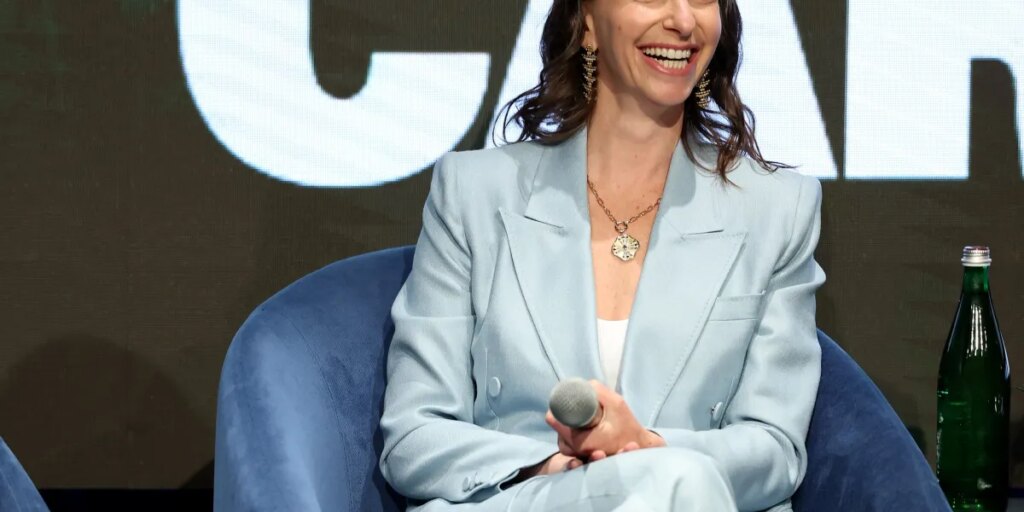
One leader who’s trying to use this moment to transform the sport is Carolyn Tisch Blodgett, the CEO and founder of Next 3, which invests in a range of sports properties. Among them: Gotham FC, a professional women’s soccer team based in New Jersey and New York that’s currently the reigning champion of the National Women’s Soccer League. “The World Cup has been a massive success in getting the country to care about soccer,” she told me during last week’s Aspen Ideas Festival. “What we don’t know is how much that will translate into fandom for local teams.”
It’s a challenge. The 2026 World Cup is a tournament of men’s teams, with the FIFA Women’s World Cup taking place next year in Brazil. While the U.S. Women’s National Team is better known than their male counterparts, with a dramatically better track record, they’ve suffered from a lack of support. I remember talking to soccer star Megan Rapinoe about the fight for equal pay at a time when U.S. women’s soccer games were bringing in more revenue than men’s. Tisch Blodgett is in talks to move the team to a new stadium in New York City and is building a dedicated practice facility as “we were basically third-fiddle to 15-year-old boys” at a Red Bull facility in New Jersey.
To capitalize on this moment of soccer fandom, Gotham FC is playing an exhibition game against the Washington Spirit team at New York’s Citi Field on July 15. More than 29,000 tickets have sold, 70% of which went to first-time buyers, breaking a New York City attendance record for women’s sports.
She has also overhauled the team’s staff, picking professionals over fans, saying “people over-index on passion … I want the people who are best at what they do.” She’s also deploying AI and approaching sponsors with a more sophisticated digital and community-focused strategy that captures local enthusiasm for the sport. “I think this is like the modern iteration of Moneyball, only for management,” she said, adding, “I feel like I’m in inning zero of using AI inside sports.”
“My goal is to define women’s sports,” she said. “We should be the team that when people around the world say, ‘This is my favorite team,’ they talk about Gotham.” The World Cup is just the opening whistle. Contact CEO Daily via Diane Brady at [email protected]