


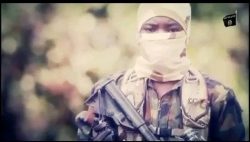
The Boko Haram faction aligned with the Islamic State West Africa Province (ISWAP) has released a propaganda video mourning one of its key media operatives, identified as Abu Salim al-Barnawi, who was reportedly killed by Nigerian troops during a failed assault on a military base in Borno State.
The three-minute, three-second obituary video, obtained on Wednesday, is narrated in Arabic and showcases al-Barnawi documenting terrorist operations, filming combat missions and participating in several attacks carried out by the insurgent group.
Security analysts say the release of such an obituary underscores the strategic importance terrorist organisations attach to propaganda and media operations, which are used to recruit members, spread ideology and project operational strength.
According to the Acting Military Information Officer of the North-East Joint Task Force, Operation Hadin Kai, Captain Muhammed Goni, the deceased insurgent was not only a member of the group’s media team but had also previously commanded cross-border raids into neighbouring Cameroon before transitioning into propaganda activities.
A message accompanying the video described al-Barnawi as both a raid commander and the group’s videographer, stating that he was killed last week while participating in an attack on a Nigerian military formation.
READ ALSO; Ex-Presidential aide reignites controversy over Ali Modu Sheriff’s alleged Boko Haram links
The military said the operation formed part of a broader offensive that successfully repelled an attempted infiltration by ISWAP fighters targeting troops stationed at Cross Kauwa in Kukawa Local Government Area of Borno State.
Captain Goni explained that the insurgents launched the attack under the cover of darkness in an apparent effort to overrun the military position and loot cholera medical supplies stored at the camp.
However, troops of Operation Hadin Kai responded swiftly, forcing the terrorists to retreat after intense fighting.
“The terrorists attempted to exploit the darkness to infiltrate our defensive positions and cart away medical supplies meant for cholera intervention, but they were decisively repelled,” the military spokesman said.
During the operation, troops recovered a cache of equipment abandoned by the fleeing insurgents, including a Sony camcorder, several rounds of PKT ammunition, 7.62mm Special ammunition, terrorist uniforms and other combat gear believed to have been used during the attack.
The latest development comes days after Operation Hadin Kai announced the neutralisation of an ISWAP cameraman during military operations in the North-East.
On July 12, military authorities disclosed that troops had recovered video materials from the slain media operative, providing fresh intelligence into the structure of the terrorist organisation.
According to the military, the recovered footage allegedly revealed the involvement of three foreign facilitators within ISWAP, including a Palestinian identified as a military trainer and a Moroccan national reportedly serving as the group’s medical doctor in Borno State.
Security agencies are analysing the recovered materials as part of ongoing intelligence operations aimed at dismantling the group’s logistics, recruitment and propaganda networks.
Reacting to the development, security analyst and counterterrorism expert Kabiru Adamu, Managing Director of Beacon Security and Intelligence Limited, said eliminating media operatives within terrorist organisations can significantly weaken their propaganda machinery.
He noted that extremist groups rely heavily on professionally produced videos to recruit members, intimidate local communities and maintain ideological influence.
“Media operatives are critical assets for terrorist organisations. Their role extends beyond recording attacks—they shape narratives, boost recruitment and project resilience. Disrupting that capability is a significant operational gain,” he said.