

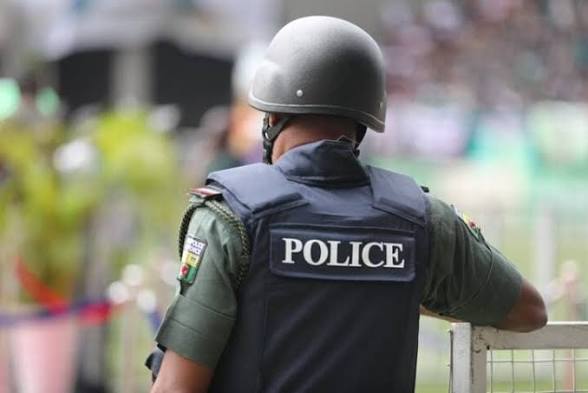
The long-awaited idea of state police may soon become a reality, as the National Assembly has passed the “state police” bill. If the president signs it into law, each state in Nigeria will be allowed to create, recruit, and fund its own police force. The idea of state police is not new. It has been discussed for many years in public lectures, conferences, and constitutional amendment meetings. Many security experts have criticised the current centralised policing system, saying it is not effective in protecting Nigerians. With the rising cases of kidnapping, banditry, and other violent crimes, more people are now calling for a decentralised policing system.
Supporters of state police believe it will improve security in the country. They argue that Nigeria is too large to be controlled by one central police system from Abuja. Also, Nigeria practices federalism. In countries like the United States of America (USA), from where Nigeria copied its democracy, there are both federal and state police.These forces operate independently but also work together when necessary.
Another advantage of state police is faster response to emergencies. Under the current system, state governors often find it difficult to respond quickly to security issues because the commissioner of police must get approval from the inspector general of police before taking action. This process can delay urgent decisions. With state police, governors will have more control over security in their states and can respond quickly to emergencies.
State police can also improve intelligence gathering. Officers recruited from local communities understand the terrain and the people better. The role played by the Civilian Joint Task Force in the fight against Boko Haram in Borno state shows how effective local involvement can be. However, despite these advantages, there are serious concerns about state police.
One major fear is that governors may abuse their power. Experience has shown that some governors misuse state institutions. For example, State Independent Electoral Commissions (SIECs), which conduct local government elections, are controlled by governors. As a result, elections are not always free and fair. Many people worry that state police could also be used to harass political opponents.
Another major concern is funding. Many Nigerians are asking how states will afford to run their own police forces. Although state revenues have increased since the removal of fuel subsidy, running a police force requires a lot of money. Poor funding could lead to corruption, bribery and inefficiency. Therefore, state governments must make proper financial plans to take care of the welfare of police officers.
There is also the issue of ethnic bias. Nigeria is a diverse country, and there are fears that state police could favour certain ethnic groups over others. This could increase tension and division. To avoid this, recruitment must be fair and inclusive.
In conclusion, while state police could help improve security in Nigeria, it also comes with risks. There must be strong laws, proper monitoring and accountability to prevent misuse. Without these, state police may become a tool for political control instead of solving the country’s enormous security challenges.
Ibrahim Mustapha,
Pambegua, Kaduna state 08169056963.