
I’m a therapist with a modeling side hustle. The extra cash is nice, but it also helps offset the emotional weight of my day job.

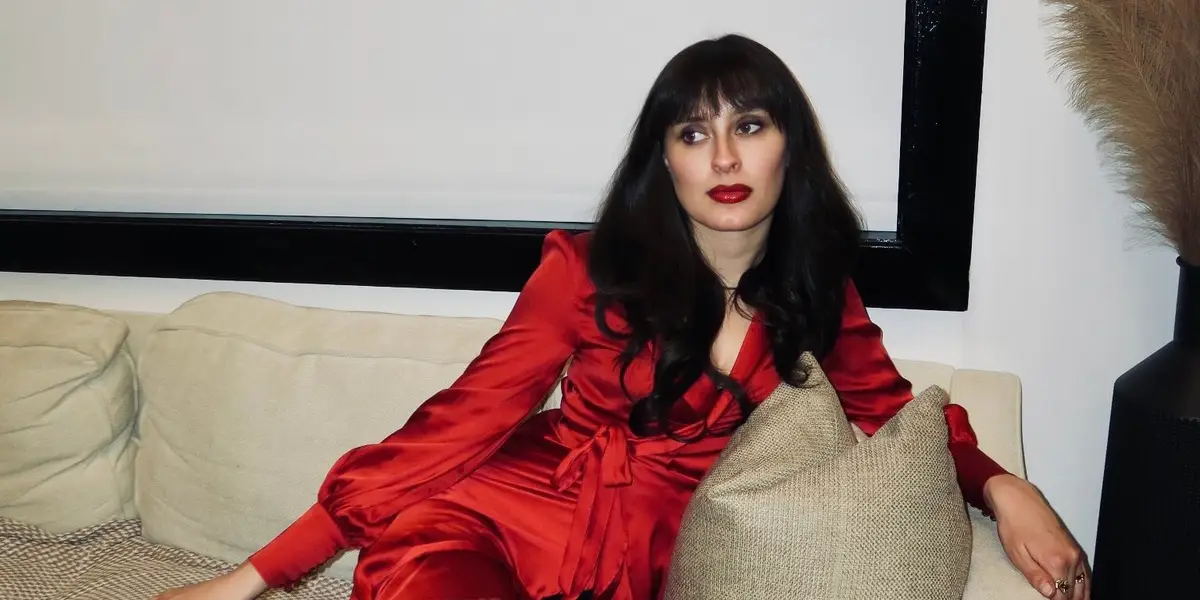
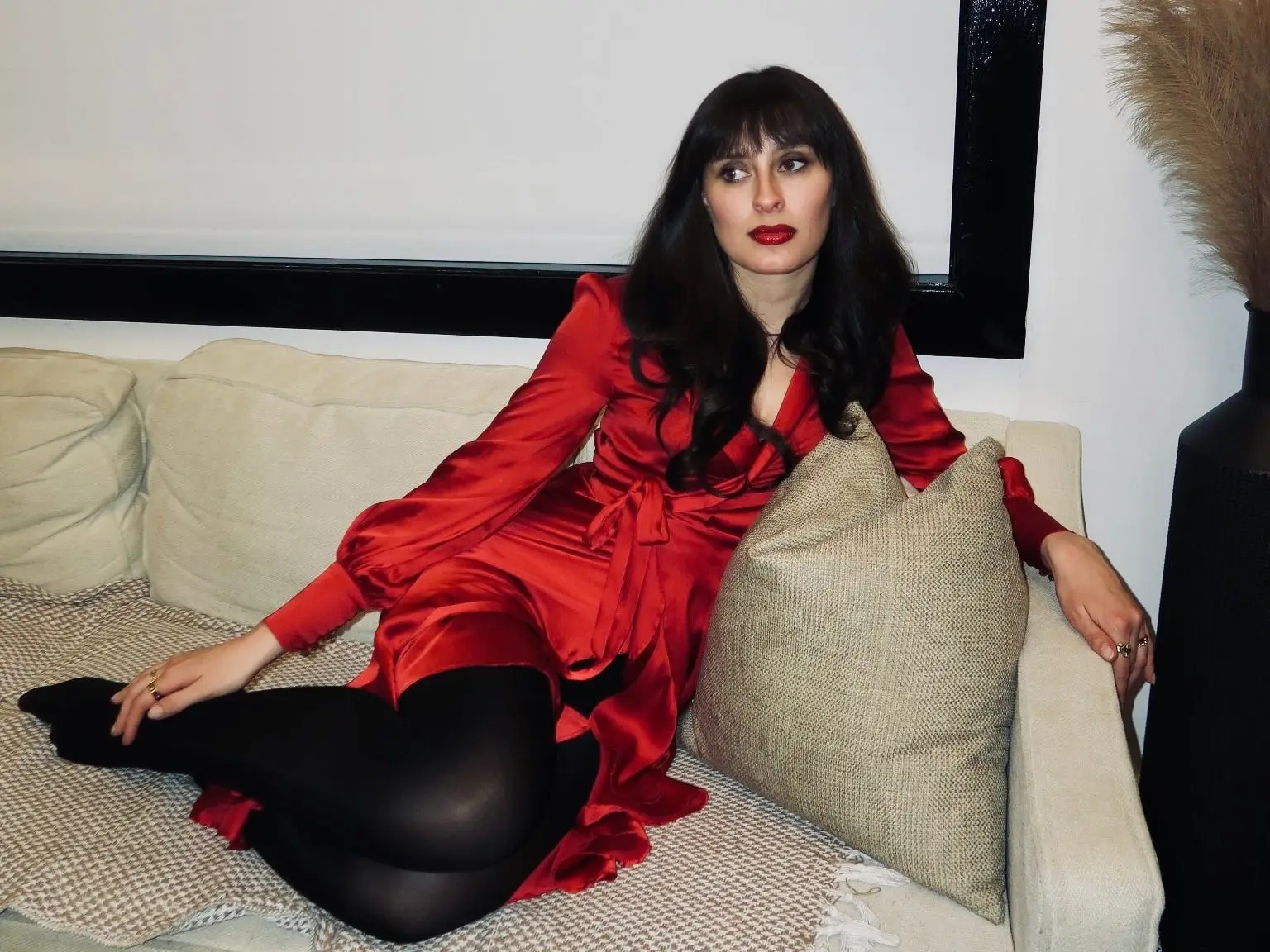
This as-told-to essay is based on a conversation with Mia Cosco, a 30-year-old therapist with a side hustle as a model based in Boston. It has been edited for length and clarity.
When I was 14, I expressed an interest in modeling. My father was a fashion photographer for many years, so he said no. He agreed that if I was still seriously interested in a year, we could talk.
One year later, I kept him to his promise, and he agreed. I felt that maybe, through exposure therapy via modeling, I could figure out how to be more confident. Even though my father had the network, he didn’t help me much, so I could learn how to do it myself.
15 years later, I’m still modeling as a side hustle alongside my full-time job as a therapist.
I did some research to get started
I knew I’d need headshots, and I set up meetings with agents to get booked for runway shows. My aunt accompanied me to my first agency interview. She asked good questions and helped me determine that the opportunity was legit. She also gave me strong financial advice and brought expertise in contract law. I was able to lean on her so I’d know what I was signing.
The agency wanted to sign me right away. One month later, I was in my first runway show in Vancouver.
I started booking something about every three months
I was a young model at the perfect age, but I chose to prioritize my education. I’m glad I chose to focus on high school, but it did prevent me from dropping everything to do a photo shoot or to fly for a last-minute audition.
For runway shows, I’d typically be there all day, in and out of hair and makeup, and running fittings. I’d bring a book, homework, and food. The pay was anywhere from $200 to $500. I also did some photo shoots.
My dad was still pretty discouraging, but he was available for advice at any time, and I had other adults, like my aunt, who helped me get to and from modeling appointments.
I had also wanted to be a therapist since I was 12
I prioritized this more deeply rooted vision over modeling and went to university to study psychology. I worked with kids after school and on weekends, offering behavioral health counseling or extra tutoring help. It was tough to schedule alongside modeling because that’s when a lot of the modeling gigs and auditions were happening.
Sometimes auditions would be in the middle of the day on Wednesday, but then I couldn’t make the actual show, which was on a Thursday or Friday afternoon, when I was booked back-to-back with families.
I’m 30 now, and for the last six months, I’ve been working as a full time children’s behavioral therapist for a school district in Cambridge, Massachusetts. It’s been great because I’m booked during school hours, and ateliers or designers don’t hold casting calls then. I’m free on weekends, so I can fit modeling in seamlessly.
The time commitment for my side hustle is totally manageable
On average, the time commitment is up to eight hours a week, including auditions, shoots, runway, and networking. It also depends on the season.
Summers are the slowest time. Designers and creative people usually take vacations with their family while their kids are out of school. Autumn is the peak time. Winter can be busy, but it’s typically slower, and then spring ramps up again because buyers are looking for summer collections.
Right now, my modeling side hustle brings in $300-400 a month, which supplements my full time salary of $49,920 a year. I prefer having the side hustle income, but I also love working with creatives I respect.
The benefits for me aren’t only monetary
While the industry is highly competitive and requires constant self-promotion, it provides a vital creative outlet that contrasts with the emotional weight of my therapy work.
Sometimes my work gets so heavy. I talk to kids from broken homes with abusive backgrounds. I could be the most caring, attentive person in a kid’s life, and it weighs a lot on my soul, honestly. I see a therapist myself, so those heavy emotions don’t carry into my own personal life.
If I’m feeling down about a kid or family I interacted with, and I go to a fashion show that’s already been on my calendar for weeks. I have to do my thing, even if I’m not feeling bright and shiny. I’ll use whatever stored-up emotion I have in my posing, my walk, even my networking before and after the show. This fun, creative work is also psychologically interesting.
I plan to continue balancing my roles as a model and a children’s behavioral therapist. In the future, I’d like to work with a children’s charity, uplift others through literacy, and publish a book.
Read the original article on Business Insider