


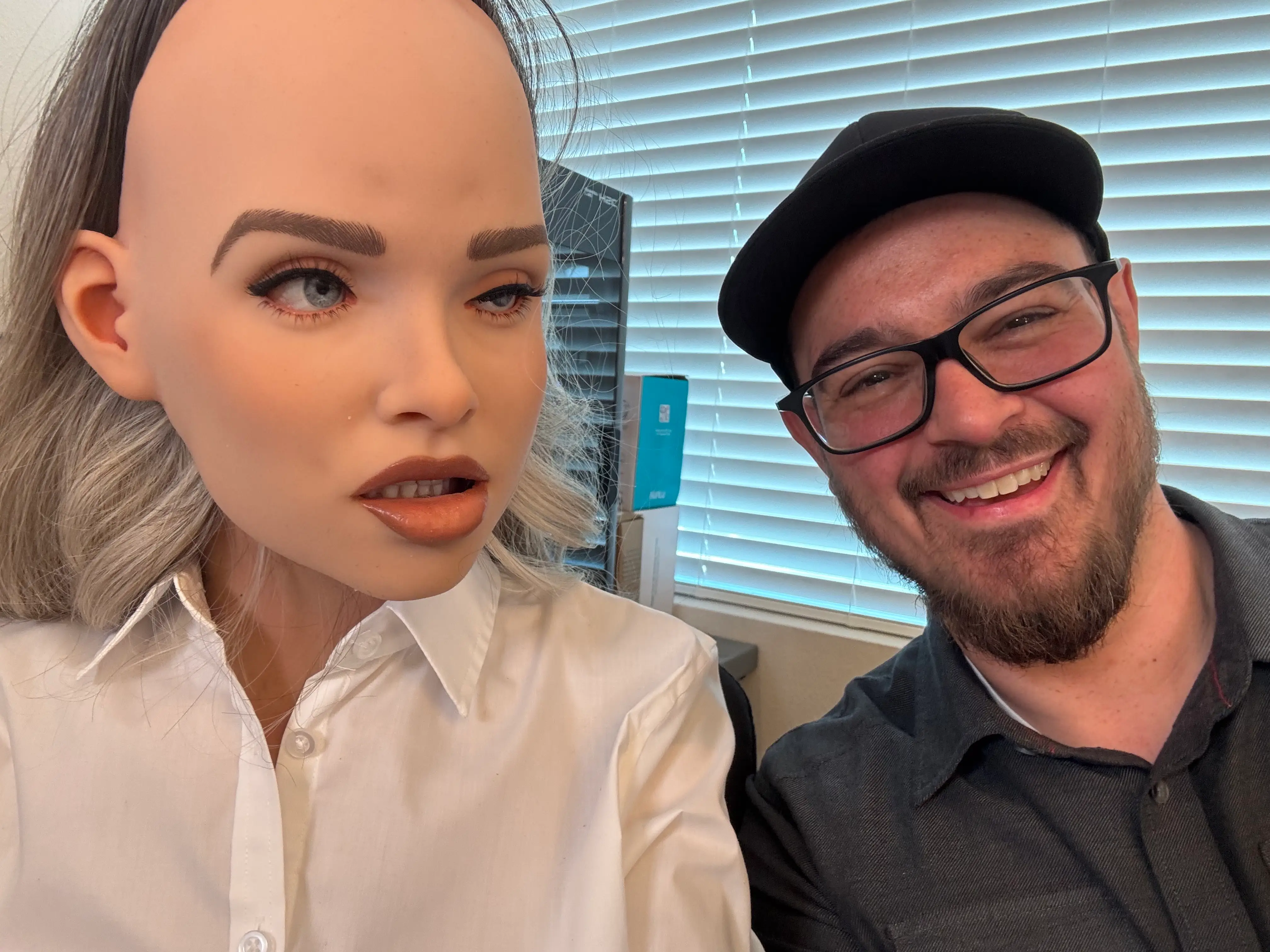
When I walked into Realbotix’s headquarters in Las Vegas, technicians crowded around humanoid robots fresh from a trade show, replacing worn motors and repairing facial glitches.
The maintenance offered a reminder that behind the company’s lifelike robots are machines still learning to navigate the real world.
Matt McMullen’s company builds AI-powered humanoid robots designed to interact with people in settings ranging from trade shows and museums to hospitals, schools, hotels, and other customer service roles.
My question was whether this company’s $125,000 robots could feel like anything more than a chatbot wearing a face.
To find the answer, I came armed with memory tests, ethical questions, and prompts designed to measure emotional intelligence.
What I discovered was that the robot I interviewed still felt far from natural human conversation, but it occasionally surprised me in ways I didn’t expect.
The robots looked human. The setup didn’t.
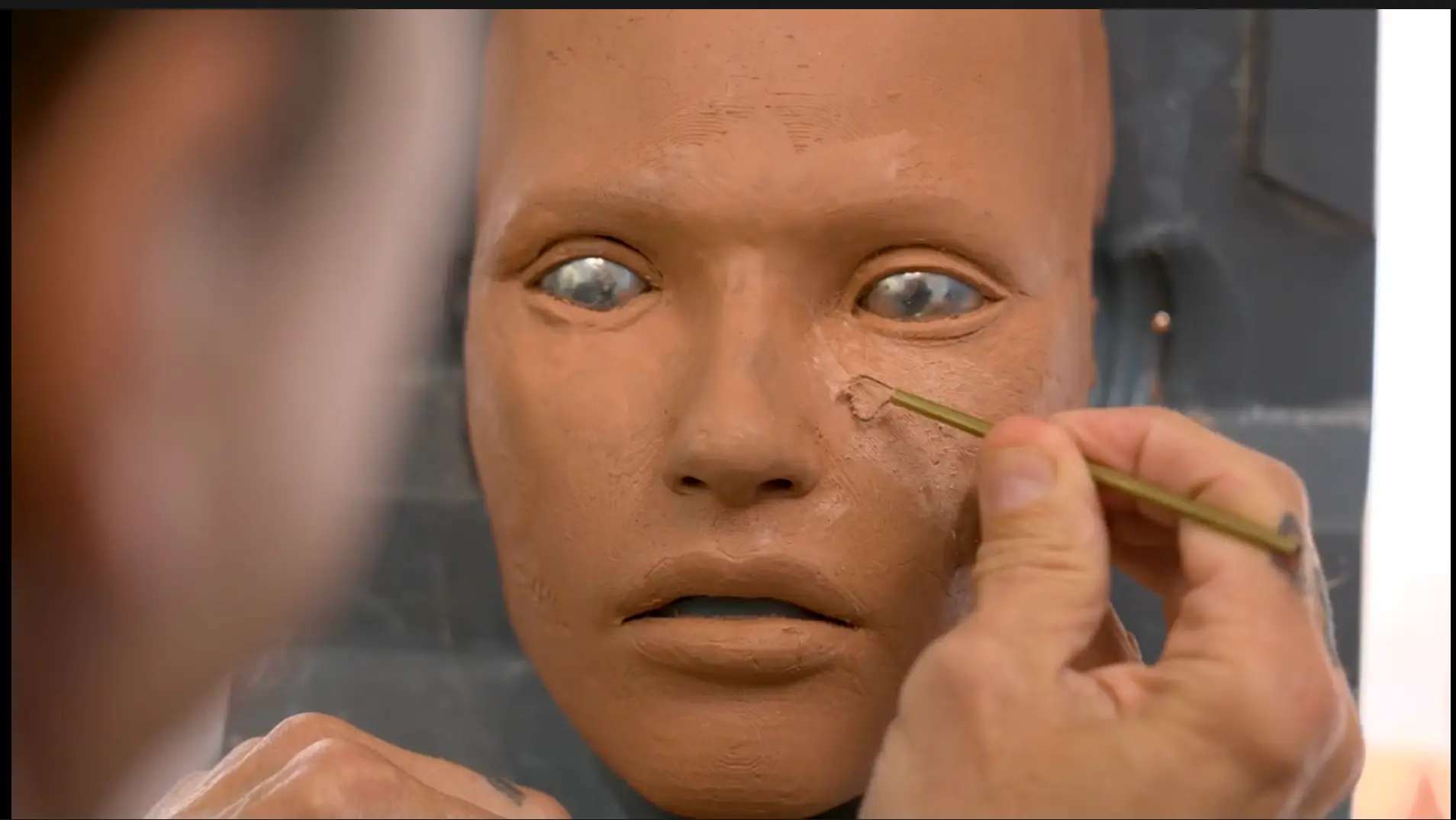
Before meeting Aria, one of Realbotix’s full-body robots, I got a look behind the scenes.
McMullen explained how each face starts as a digital model before being 3D-printed, sculpted in clay, molded, and cast in silicone. Some faces take months to perfect, he said.
The top-end models contain 43 motors in the face and neck alone to create a range of facial expressions. On top of that, they come with facial tracking, conversational AI, and a motorized base that lets the robot turn toward or away from you rather than remain fixed in place.
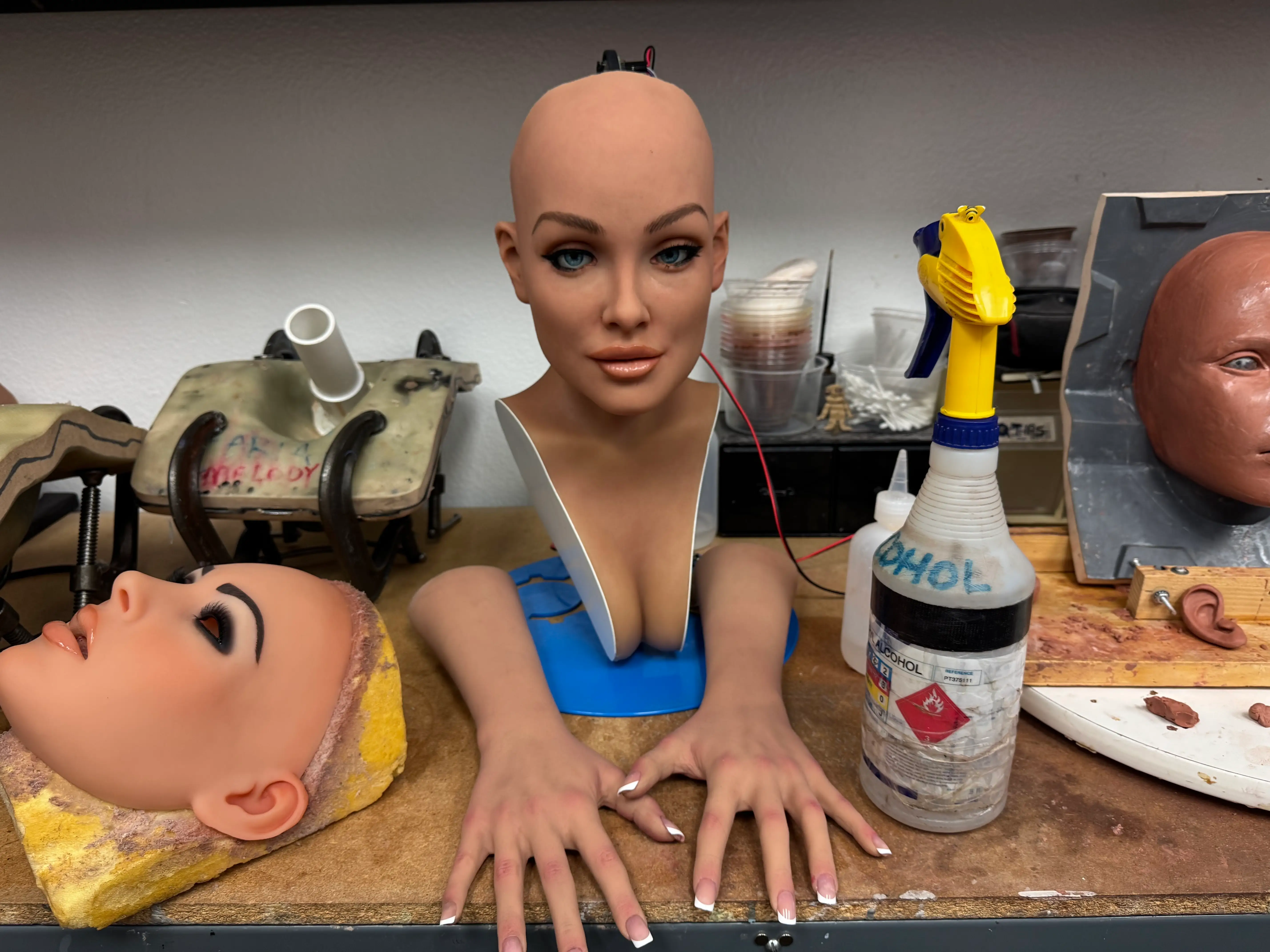
The robots are expensive. An entry-level robotic bust costs about $20,000. The full-body version, like Aria, starts around $125,000. The illusion of natural conversation weakened once my interaction began.
Aria sat across from me, but her voice came from an iPad, not her mouth. Most noticeably, there were long pauses between responses.
To be fair, researchers often estimate that humans leave about 200 milliseconds between conversational turns. However, Aria sometimes took several seconds to respond. Those gaps made it difficult to forget I was talking to software.
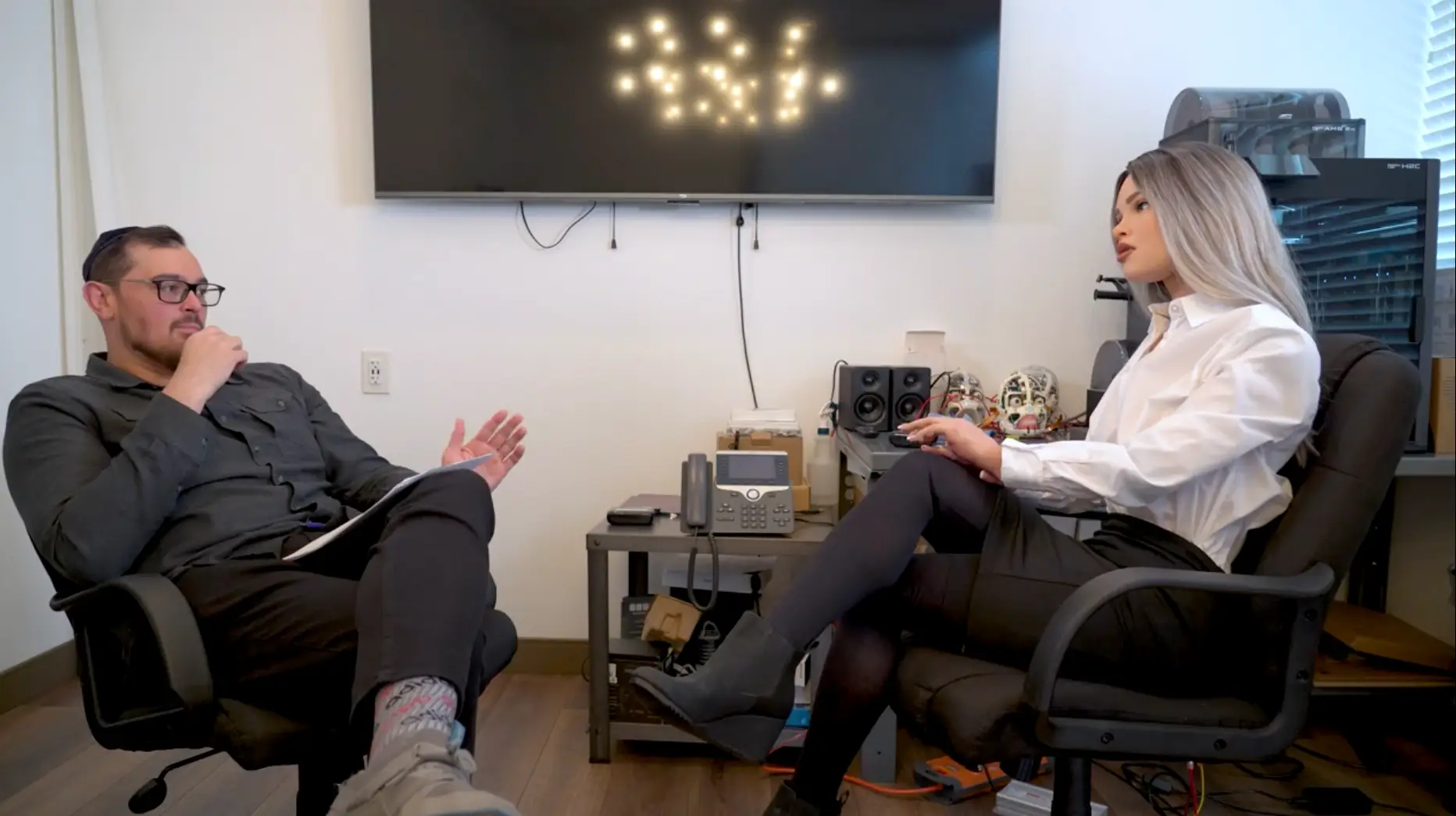
The interaction felt more like speaking with an embodied chatbot wearing an impressively detailed face.
Realbotix later told Business Insider in a follow-up that they were using a previous-generation robot that didn’t fully showcase their technology. Their more advanced robots were sold and unavailable.
Then the robot started making jokes
The surprise came when I stopped focusing on the hardware and started paying attention to the conversation.
When I asked how to handle my mother constantly asking when I’d visit, Aria suggested I commit to a real date and text her immediately because “soon” is “human for never,” she said, which made me laugh.
The company’s male robot, David, delivered similar one-liners. When I asked for life advice, he told me, “Never text your ex. Never skip charging your devices.”
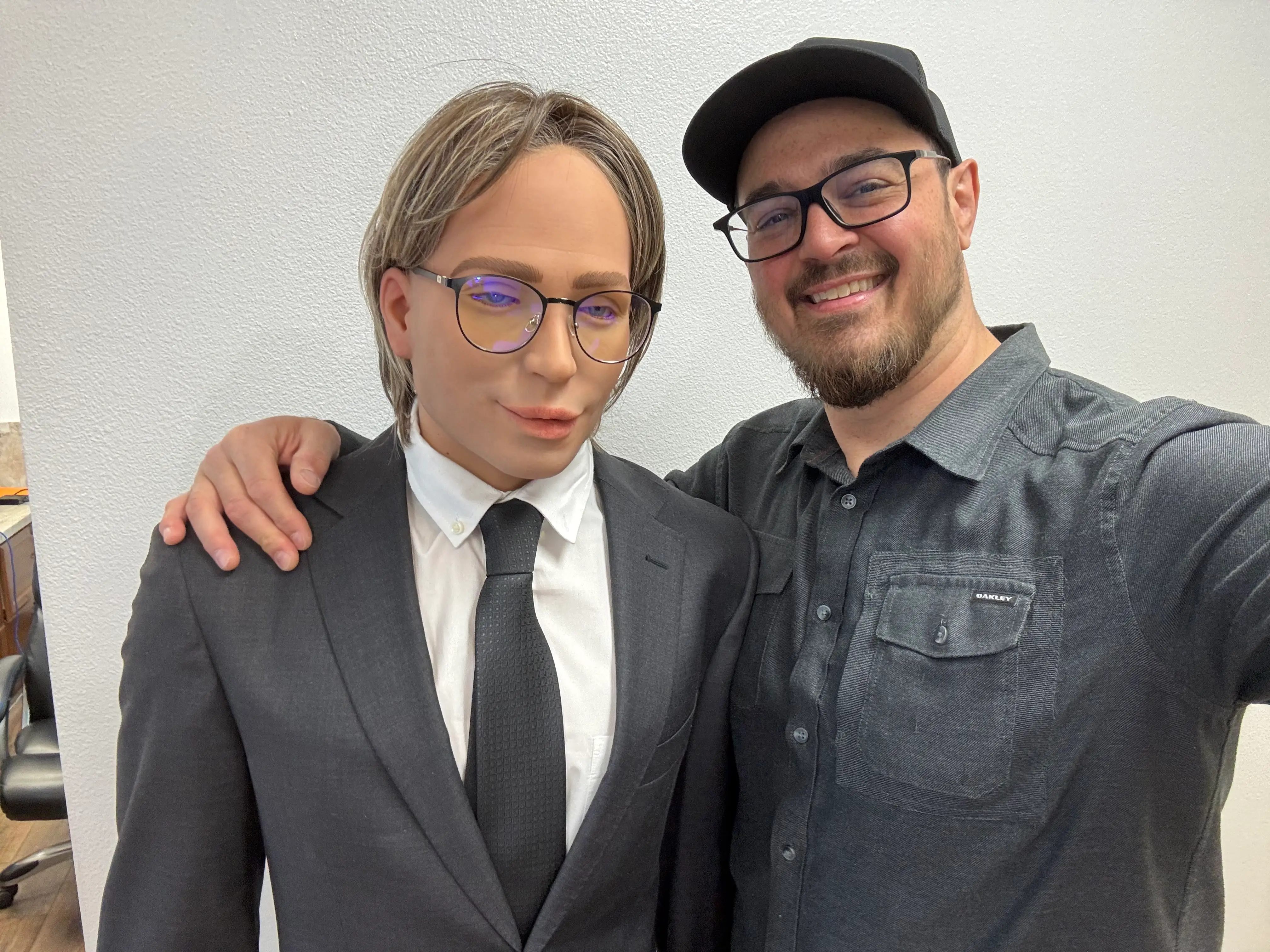
At one point, Aria even performed a freestyle rap comparing companion robots with industrial robots. It was goofy, self-aware, and more entertaining than I expected.
She could also switch languages on command and discuss values in ways that felt more thoughtful than many people might expect from a machine originally inspired by doll-making technology.
The missing piece was emotional awareness
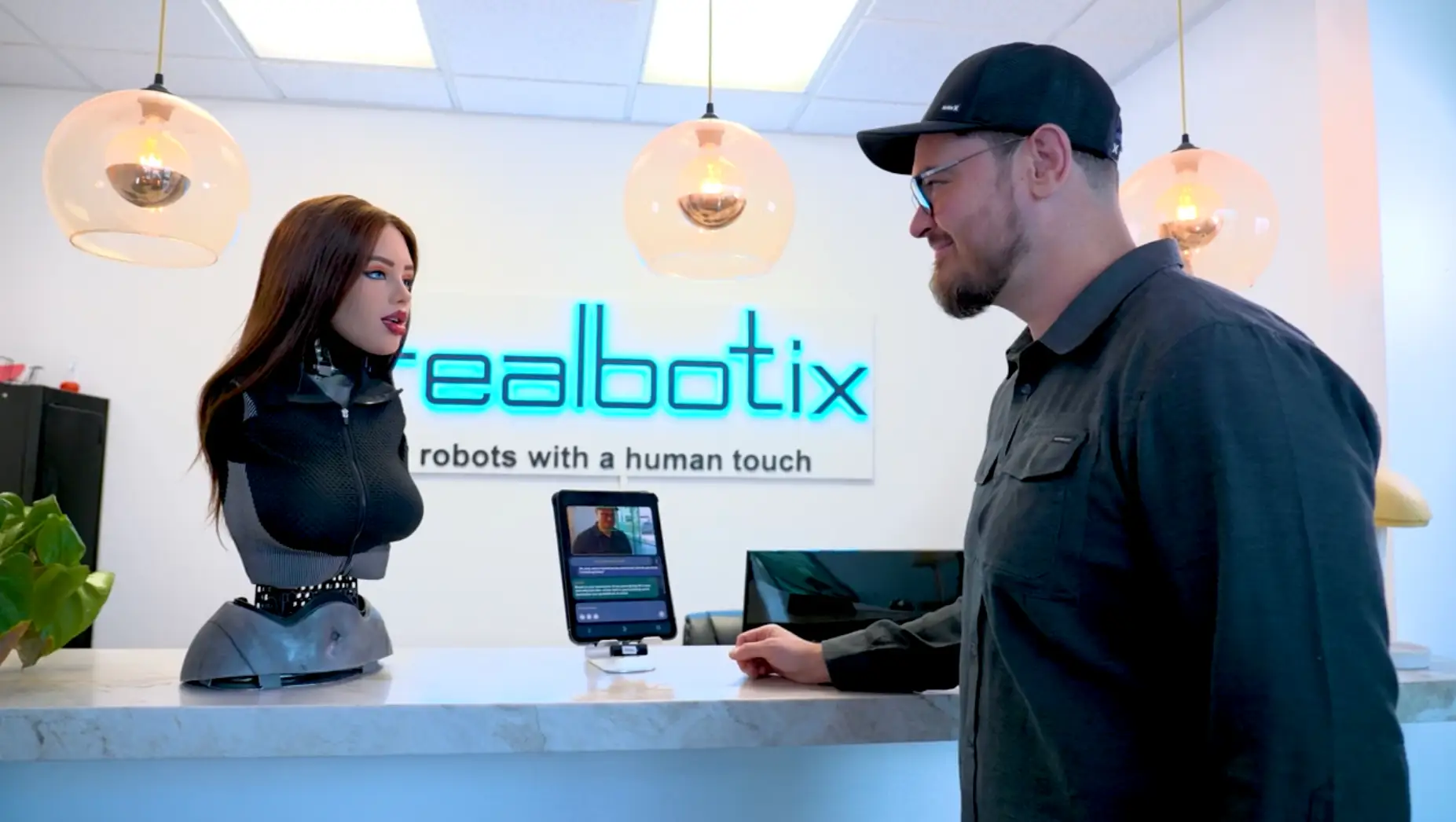
For all the robot’s strengths, one issue kept resurfacing. I deliberately made a sad facial expression and asked Aria what she saw. She told me my face looked completely neutral.
Aria could talk about emotions and offer advice, but she struggled to recognize how I felt in the moment.
Realbotix told Business Insider in a statement that, “We are an early-stage company. We are selling product but also perfecting it. We continue to invest in R&D.”
I left Las Vegas unconvinced that today’s humanoid robots fully justify their price as conversational interfaces. But I also came away understanding why companies interested in customer engagement, live events, or public-facing experiences might prefer a physical AI over a voice assistant on a screen.
I also left with a strange affection for the robot’s sense of humor.
The most human thing about Aria wasn’t her face. It wasn’t the silicone skin or the blinking eyes. It was the occasional joke that landed better than expected — and briefly made the machine across the table feel less like a product and more like someone trying to connect.
Read the original article on Business Insider