

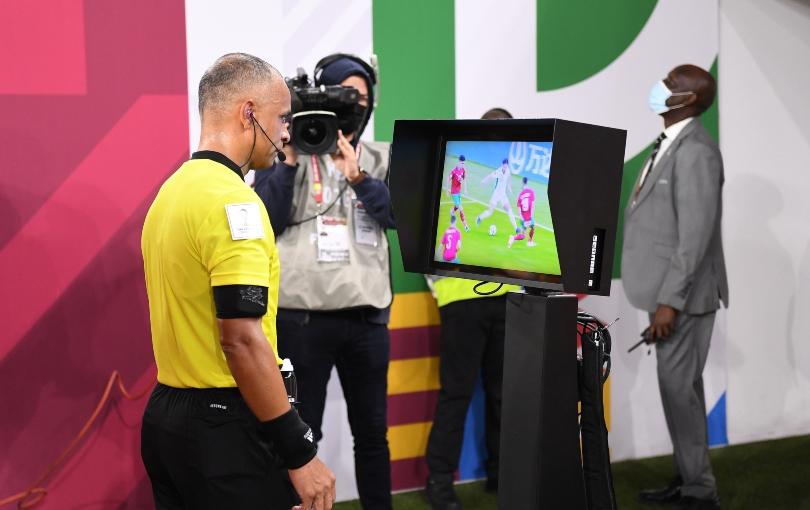
FIFA has rejected allegations that its match officials can be influenced following the VAR controversy that emerged after Argentina’s Round of 16 victory over Egypt at the 2026 FIFA World Cup.
FIFA Chief Refereeing Officer Pierluigi Collina said referees operate independently and make decisions based solely on the Laws of the Game, stressing that no individual—including FIFA President Gianni Infantino—can interfere with officiating decisions.
His comments came after criticism surrounding several VAR calls made during the knockout fixture.
Collina explains controversial VAR decisions
Addressing the incident that sparked debate, Collina said VAR acted correctly by recommending a review after Egypt midfielder Marwan Attia stepped on the foot of Argentina defender Lisandro Martínez during the attacking phase before a goal.
According to him, the Laws of the Game allow VAR to review any foul in the build-up to a goal, regardless of when or where it occurred during the attacking sequence.
He added that stepping on an opponent’s foot constitutes a foul, making the intervention appropriate under FIFA’s interpretation of the rules.
Second incident ruled normal football contact
Collina also referred to another controversial moment late in the match involving Egypt captain Mohamed Salah and Argentina forward Julián Álvarez.
He explained that both the referee and the VAR team agreed the challenge amounted to normal football contact and did not warrant further action.
While acknowledging that some decisions will always be open to interpretation, Collina maintained that FIFA is satisfied with how VAR has been implemented throughout the tournament.
FIFA condemns threats against match officials
The former Italian referee also criticised allegations questioning the integrity of World Cup officials, warning that such claims can expose referees and their families to abuse and threats.
He said constructive debate over officiating decisions is part of football but insisted that unfounded accusations have no place in the sport.
Collina added that FIFA remains pleased with the overall standard of officiating after the first 96 matches of the expanded 48-team World Cup.