

By Omoyeni Ojeifo
As part of efforts to reduce Nigeria’s growing cancer burden, the Federal Government has unveiled a five-year strategy aimed at reducing cancer cases and deaths by 30 percent by 2030, with renewed focus on prevention, early diagnosis, treatment, research and survivorship.
The Minister of State for Health and Social Welfare, Dr. Iziaq Salako, made the announcement in Abuja at a two-day Best of ASCO Africa 2026 conference, organized by the National Institute for Cancer Research and Treatment (NICRAT) in partnership with the Africa Organisation for Research and Training in Cancer (AORTIC).
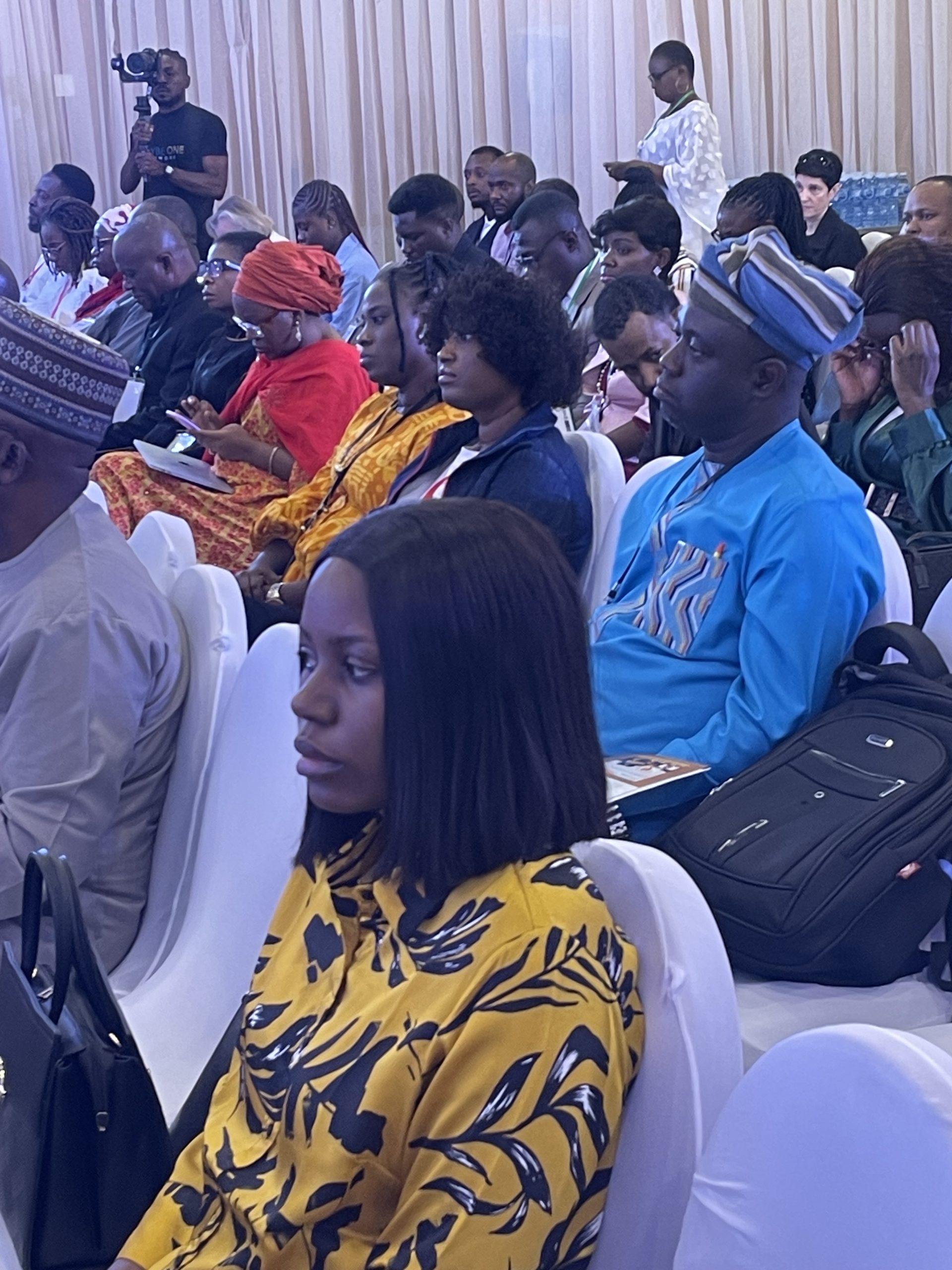
Persecondnews correspondent reports that the event, held under the theme, “From Global Discovery to Local Delivery,” brought together oncologists, researchers, policymakers, cancer advocates, development partners and industry leaders from across Africa to discuss strategies for improving cancer care on the continent.
The minister said the government’s approach will focus on strengthening the country’s response to cancer through coordinated prevention, early detection, treatment, research and workforce development.
“We are implementing the National Cancer Control Plan 2026–2030 with the ambitious goal of reducing Nigeria’s cancer burden by 30 per cent by 2030,” he said.
Salako said the plan comes as Africa recorded nearly 1.2 million new cancer cases and about 720,000 cancer-related deaths in 2024, with Nigeria accounting for about 10.5 percent of the continent’s cancer burden alongside Egypt and South Africa.
“Cancer is no longer a distant threat to Africa. It is an accelerating reality, but it is a solvable problem if we act together.”
He urged African researchers and clinicians to ensure scientific breakthroughs are adapted to local realities so patients across the continent can benefit from advances in cancer care.
“Our challenge is not to apply research from other settings blindly, but to validate and adapt it so it improves patient care in our own environment,” he added.
He also called for stronger collaboration among African countries, saying shared research, education and advocacy are key to reducing the continent’s cancer burden.
“Nigeria is ready to provide leadership in advancing an African approach to cancer care through education, research and advocacy tailored to our realities.”
In his remarks, the Director-General of the National Institute for Cancer Research and Treatment, Prof. Usman Malami Aliyu, said Nigeria is strengthening cancer care through improved access to treatment, expanded research and stronger data systems.
“Through the National Cancer Access Programme, some cancer medicines are now available to patients at about 50 per cent of their original cost.”
Aliyu said NICRAT has upgraded 26 cancer registries, trained more than 140 early-career researchers, awarded 24 research grants, strengthened research laboratories and begun laying the foundation for precision cancer medicine in Nigeria.
“We have completed the first phase of Nigeria’s Cancer Genome Study and started the process of developing precision medicine tailored to our patients,” he also said.
In an interview with journalists, AORTIC Vice President for the Americas, Dr. Abiola Falilat Ibraheem, said the initiative is to ensure that African clinicians have access to the latest global advances in cancer treatment.
“Innovation is moving fast globally, but Africa is still trying to catch up. This meeting is about bringing that knowledge and those therapies closer to our patients.”
She said African countries must work together to improve access to life-saving medicines and make innovative cancer therapies more affordable.
“There’s power in numbers. If Africa brings its economies and data together, access to innovative cancer therapies becomes possible.”
Also speaking, immediate Past AORTIC President, Dr. Miriam Mutebi, said improving survival requires health systems that can diagnose and treat patients without delay.
“Awareness alone is not enough. Our health systems must be ready to diagnose and treat patients early, because cancers detected early are easier and less costly to treat,” she said.
On her part, cancer prevention advocate and AORTIC Secretary General, Dr. Florence Manju, said expanding access to screening technologies will be critical to reducing deaths from preventable cancers.
She said: “We have the tools to detect cancers early, but we must work together to expand access to technologies like HPV testing and mammography across Africa.”
The conference brought together oncologists, researchers, policymakers, cancer advocates, development partners and industry leaders from across Africa to strengthen collaboration in cancer prevention, diagnosis, treatment and research.
Persecondnews correspondent also reports that as the conference continues, participants are expected to translate the latest global cancer discoveries into practical solutions for African patients, in line with the theme.