

The Federal Government has announced plans to gradually phase out electricity subsidies from 2027 as part of efforts to reform Nigeria’s power sector.
The government said the withdrawal would be implemented in stages to protect electricity consumers, stressing that the move is aimed at restoring the financial stability of the power industry rather than creating additional hardship for Nigerians.
It assured households and businesses that there are no immediate plans to increase electricity tariffs, adding that existing consumer support measures will remain in place during the transition period.
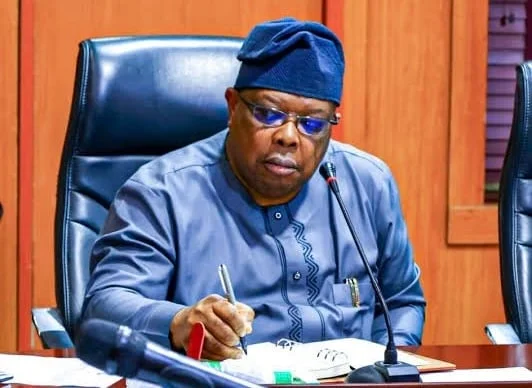
Speaking during a media briefing on Friday, Minister of Power Joseph Tegbe said the government had adopted a gradual approach to ensure the transition does not disrupt electricity users or affect ongoing efforts to improve power supply.
Tegbe explained that the current subsidy system has become increasingly difficult to sustain, making reforms necessary to achieve long-term stability in the Nigerian Electricity Supply Industry.
“We are not withdrawing subsidies overnight. The transition will be gradual, and consumers will continue to receive protection as we build a more sustainable electricity market,” Tegbe said.
The minister also dismissed reports suggesting that electricity tariffs would rise immediately, insisting that no such decision had been taken by the Federal Government.
“Our focus is to strengthen the power sector without placing additional financial pressure on Nigerians. Any reform will be carefully implemented with the interests of consumers in mind,” he added.
He said the planned subsidy phase-out is part of broader reforms aimed at reducing the government’s financial burden, improving liquidity across the electricity value chain and encouraging greater private sector participation.
According to Tegbe, the reforms will help create a more sustainable funding model to support improved electricity generation, transmission and distribution while reducing the sector’s reliance on government intervention.