

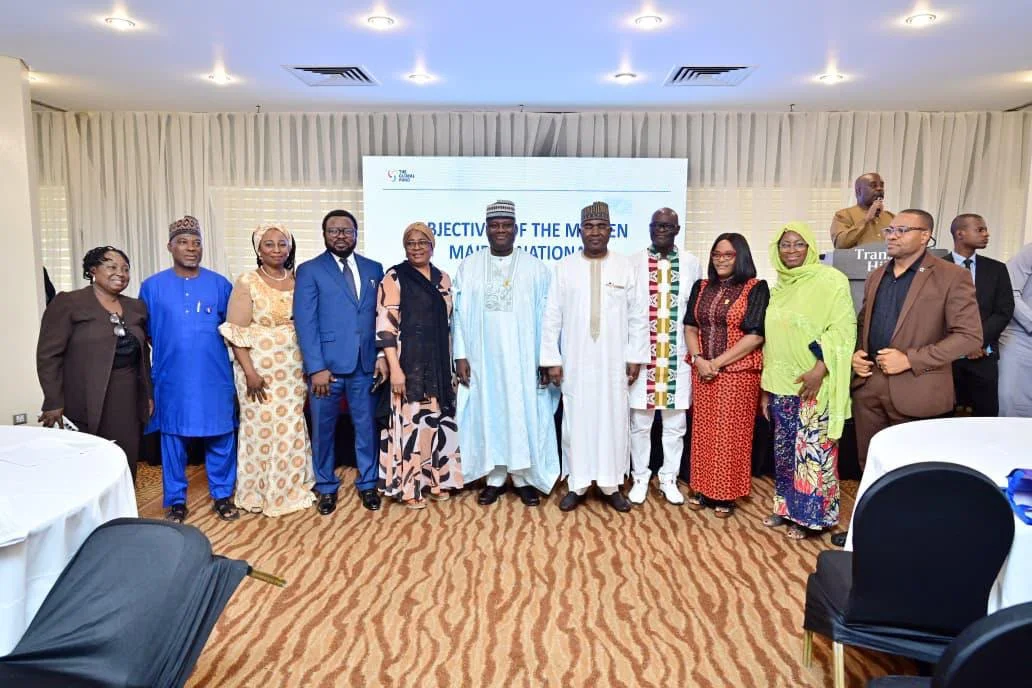
The Federal Government has reaffirmed its commitment to intensifying efforts to combat illicit drug use and dismantle drug trafficking networks as part of a broader strategy to protect public health and improve the wellbeing of Nigerians.
The renewed commitment comes amid growing concerns over the rising incidence of substance abuse and drug trafficking, which authorities say continues to threaten public health, security and national development.
Secretary to the Government of the Federation, George Akume, gave the assurance on Wednesday, at the opening of the National Drug Use Summit in Abuja, where stakeholders called for stronger collaboration to address the growing threat of substance abuse and drug trafficking across the country.
Represented by the Permanent Secretary, General Services Office, Office of the Secretary to the Government of the Federation, Adamu Kana, Akume said the Tinubu administration remained committed to preventing illicit drug use, expanding access to treatment and rehabilitation, and strengthening institutions responsible for tackling the drug menace.
“No nation can achieve sustainable development when its young population is threatened by drug abuse and addiction. No society can attain lasting peace and prosperity when criminal networks engaged in illicit trafficking continue to undermine its institutions and exploit its vulnerabilities,” he said.
He described the summit as an opportunity for stakeholders to renew their commitment, deepen partnerships and develop a coordinated response to the country’s drug challenge.
Chairman and Chief Executive Officer of the National Drug Law Enforcement Agency (NDLEA), Mohamed Marwa, said the summit was convened to mobilise a national response to drug use and substance use disorders, stressing that the challenge could not be addressed by any single institution.
According to him, the summit provides a platform to build consensus around a coordinated National Action Plan focused on prevention, treatment, rehabilitation, data collection, policy implementation and community resilience.
Marwa said the NDLEA had, over the past 18 months, arrested 29,262 suspects, seized 5,305,484.88 kilograms of assorted illicit drugs valued at more than N1.5 trillion and secured the conviction of 5,225 offenders.
He added that the agency conducted 6,645 drug prevention and awareness campaigns across schools, worship centres, workplaces, markets, motor parks, correctional facilities and communities, reaching nearly five million Nigerians.
Marwa also disclosed that 13,508 drug users received counselling, treatment and rehabilitation at the agency’s 31 rehabilitation centres nationwide during the same period.
Minister of Health and Social Welfare, Ali Pate, urged participants to ensure the summit produces tangible results rather than ending with a communiqué.
“The measure of this summit will not be the communiqué. It will be the number of young people who choose not to start drugs. It will be the number of patients who sleep without pain. It will be the number of families restored,” he said.
Also speaking, the Country Representative of the United Nations Office on Drugs and Crime (UNODC), Cheikh Toure, represented by Akanidomo Ibanga, called for sustained collaboration to translate commitments under Nigeria’s National Drug Control Master Plan into practical and measurable action
The summit, jointly organised by the NDLEA, the Federal Ministry of Health and Social Welfare and the UNODC, brought together representatives of government ministries, security agencies, development partners, civil society organisations and other stakeholders to strengthen the country’s response to drug abuse and trafficking.