

This photo essay is from the spring 2026 issue of VICE magazine, THE NOT THE PHOTO ISSUE. Get four issues each year, sent straight to your door, by subscribing here.
Rich drug users have it easy.
For monied elites, the dream of staying high all the time is more or less achievable. And when it isn’t, there’s usually a charcoal smoothie, a spa day, some prescription downers—maybe even a cheeky little blood boy or two—on hand to take the edge off.
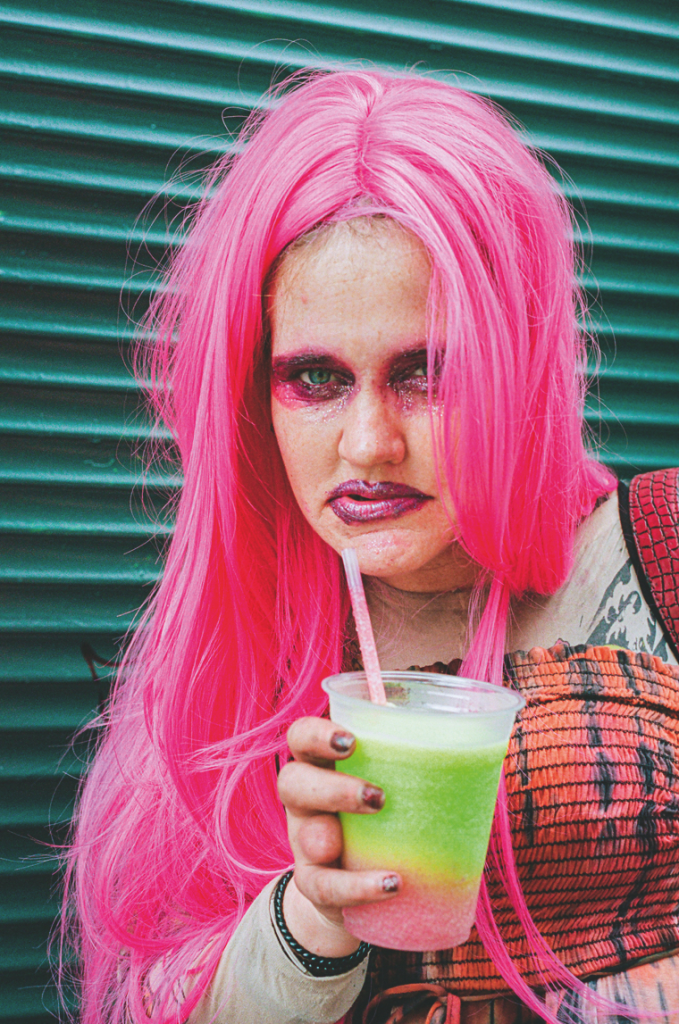
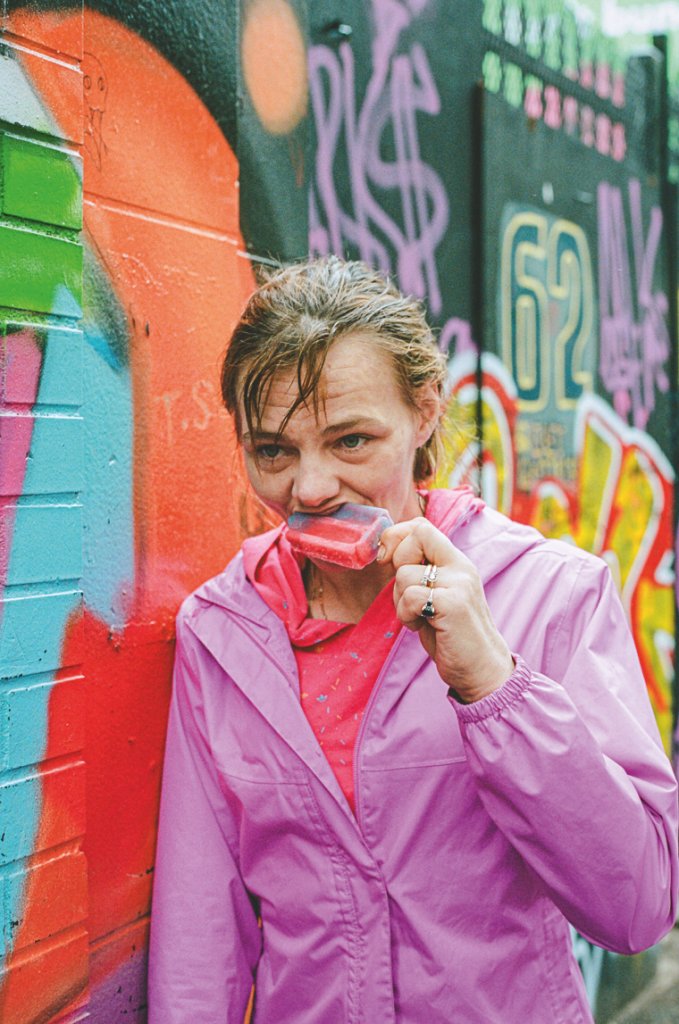
For the street-level opioid addicts of North America, for whom every waking hour is a miserable game of survival, it’s a different story. But there is a way to keep a bit of zip in the blood even when you’re crashing from the latest hard-earned hit of fentanyl, iso, smack, or tranq. And you can get it perfectly legally (or just steal it) from the nearest bodega.
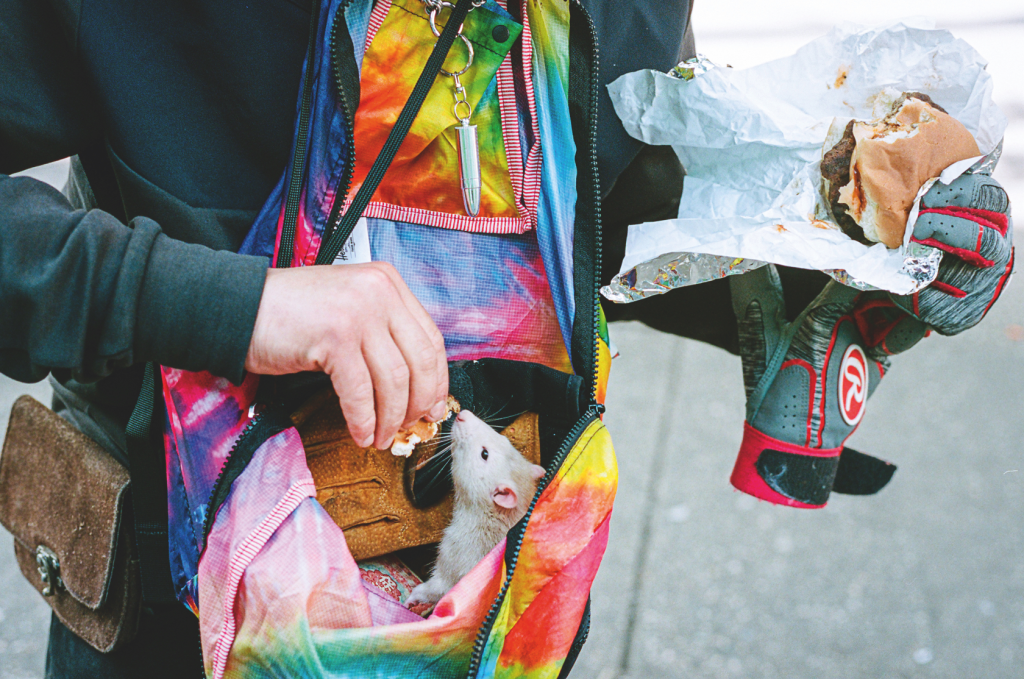
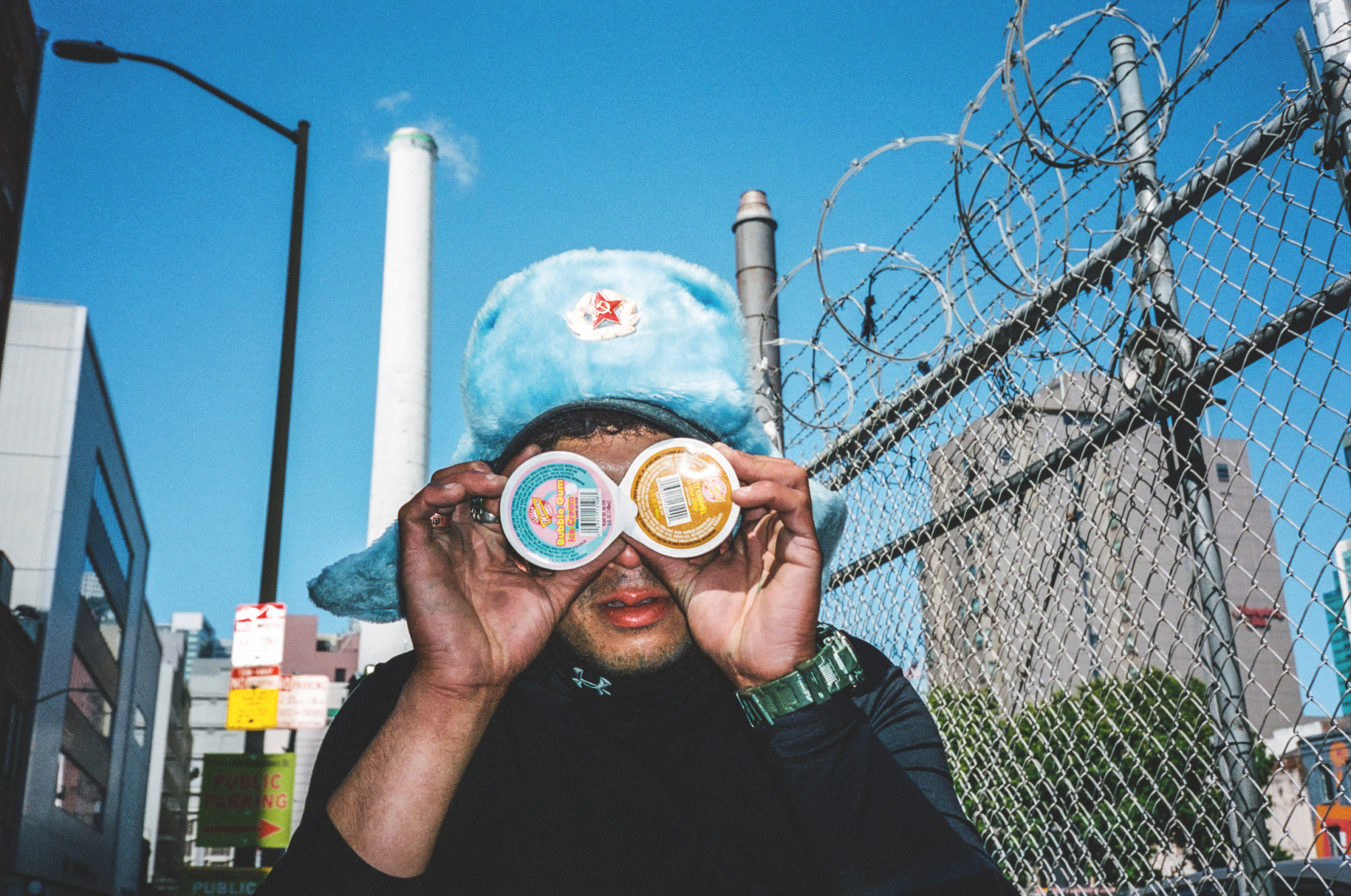
Since 2020, I have been documenting skid rows in the U.S. and Canada, watching locals binge ultra-processed foods loaded with sugar, fat, dairy, and salt. Opioids hijack the brain’s reward circuitry, nuking its pleasure receptors. Over time, the body stops producing its own natural endorphins, creating a state of anhedonia: the complete inability to take any joy from life. Basic delights like sex and laughter stop registering. But sugar and fat? That still hits. Not like fenty, but it gets you through. Ice cream and milk calms guts ruptured by the nausea, cramps, constipation, and total digestive shutdown brought on by withdrawal. Salt replaces the electrolytes puked and sweated out during detox, rebooting the nervous system. Cereal can be eaten without teeth, dissolving in the mouth like soft candy.
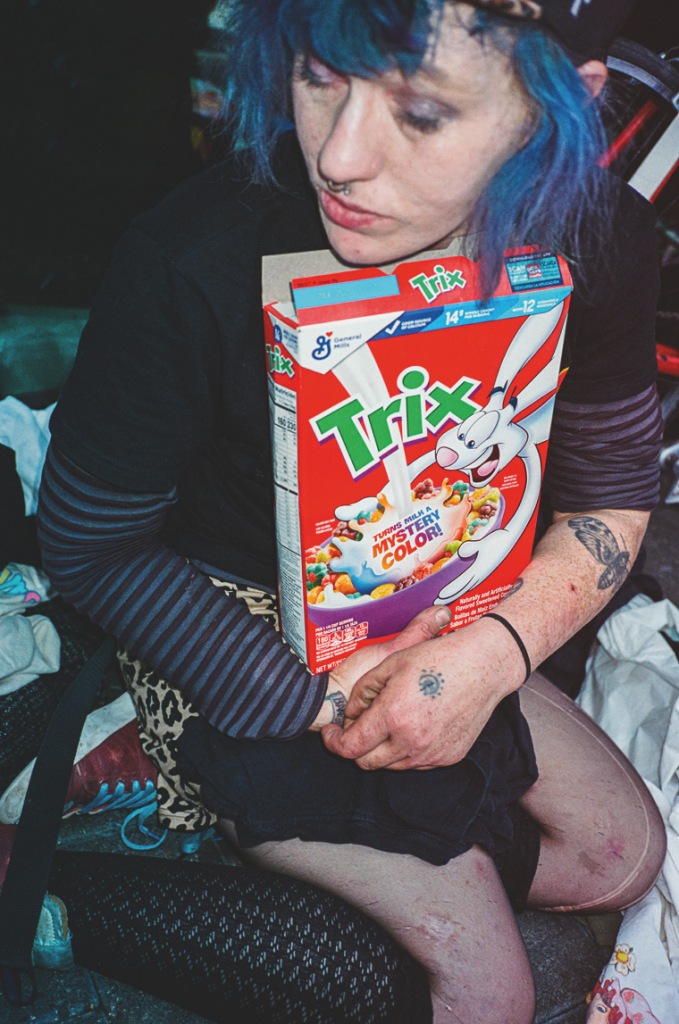
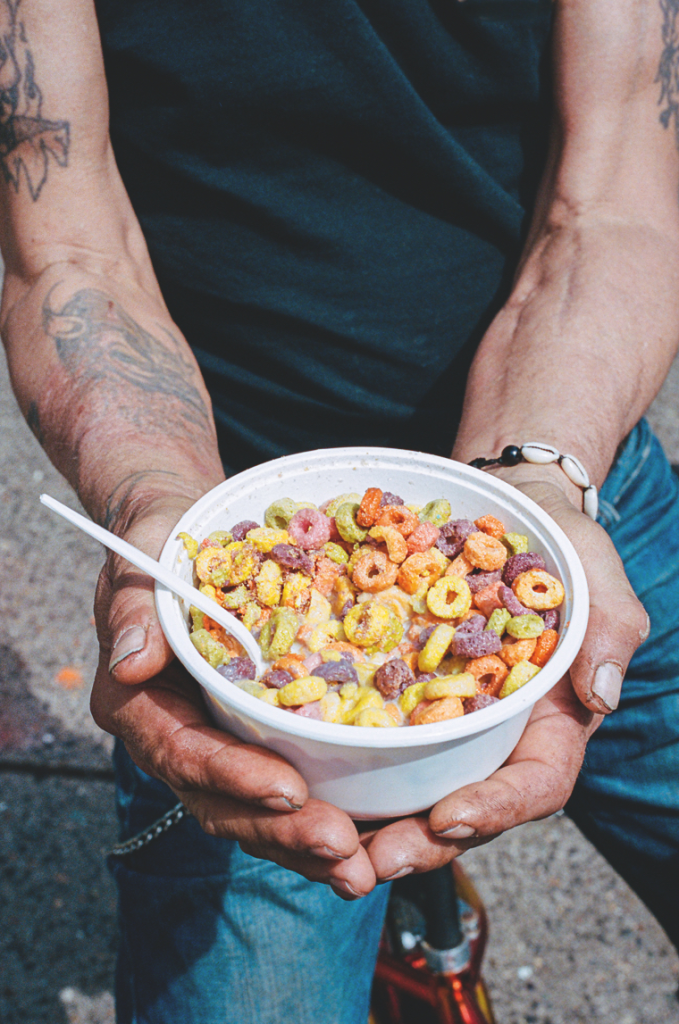
Those crash-landing from a three-day bender need instant calories and these snacks go down quick. You can eat them while walking, standing in line, nodding off, or selling on the corner. No prep, no chewing, no cutlery, no cleanup—and a much-needed flicker of relief.
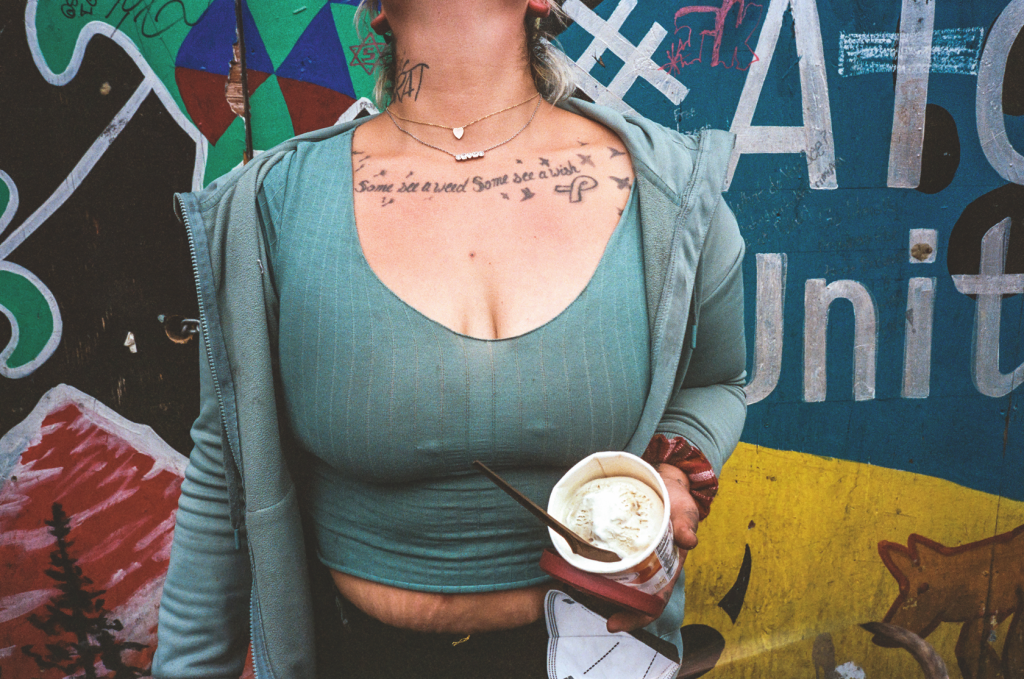
In these places, the same scenes loop on repeat. A man in the fetal position, clutching a gallon of milk to his chest. A woman crushing a bag of Cheetos between her trembling hands. Empty family-size Lucky Charms boxes tossed in piles of orange-capped syringes. There’s a reason the pint of ice cream is one of the most commonly jacked items in downtown grocery stores. To many in this predicament, it’s the holy grail, or at least currency: something to trade for a pack of cigs, deodorant, or a butane refill for your torch.
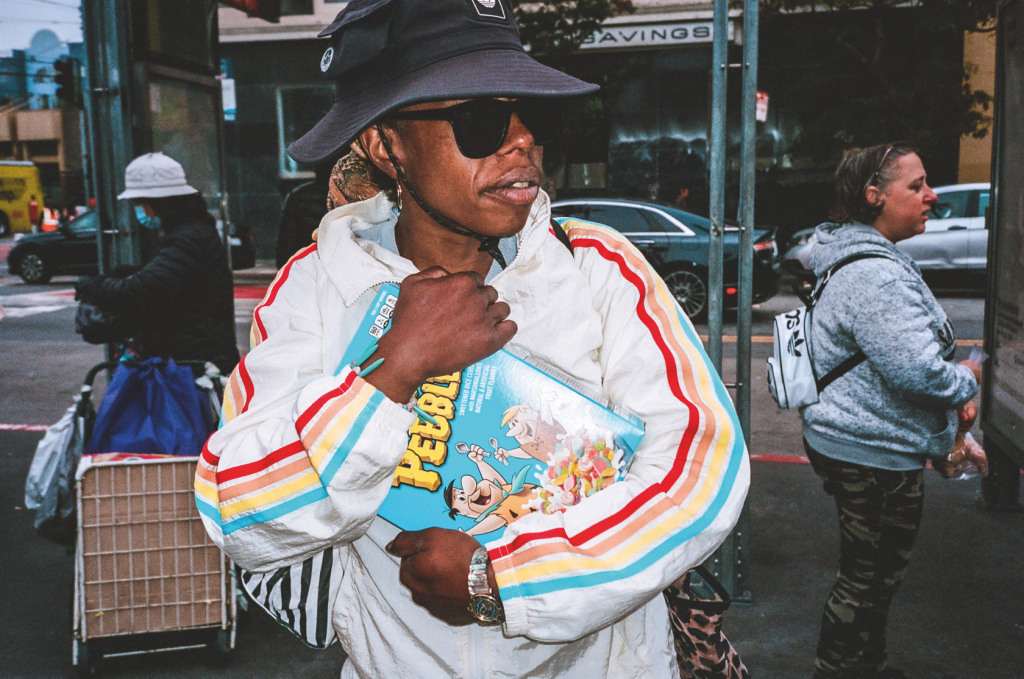
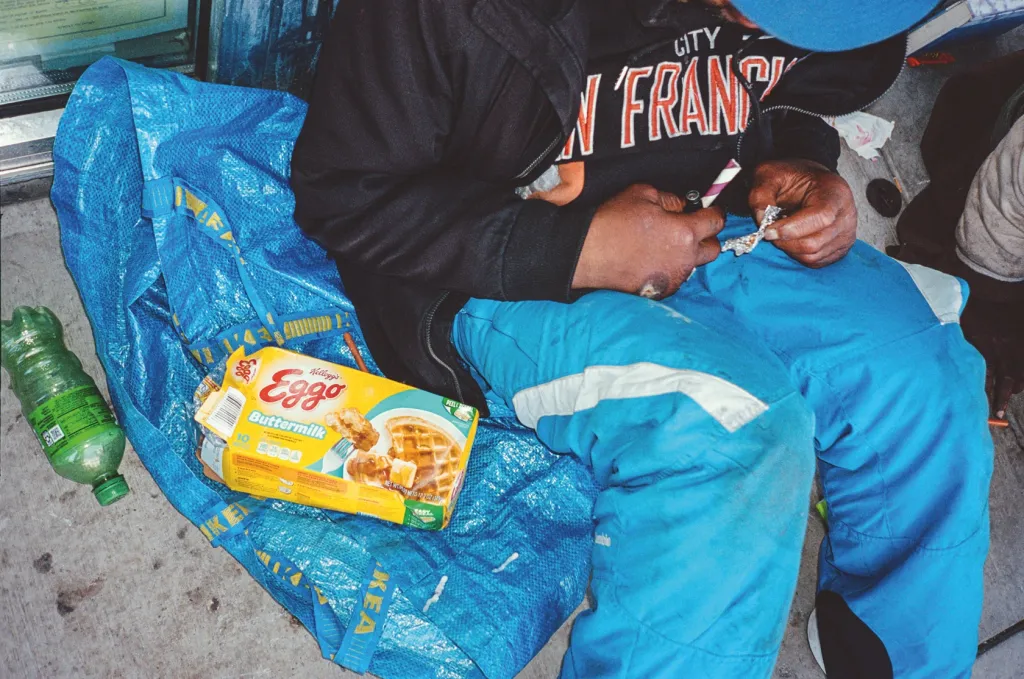
A few users I talked to had the same big idea: to get clean and open up their own corner store or ice-cream truck. It wasn’t some far-off fantasy about turning their life around, it was a plan based on everything they knew about human behavior. Some of the relief this diet offers isn’t physical. Many long-term users are abuse survivors living with the trauma of institutional failure. These products, tied to childhood and state care, can offer a brief retreat into the familiar.
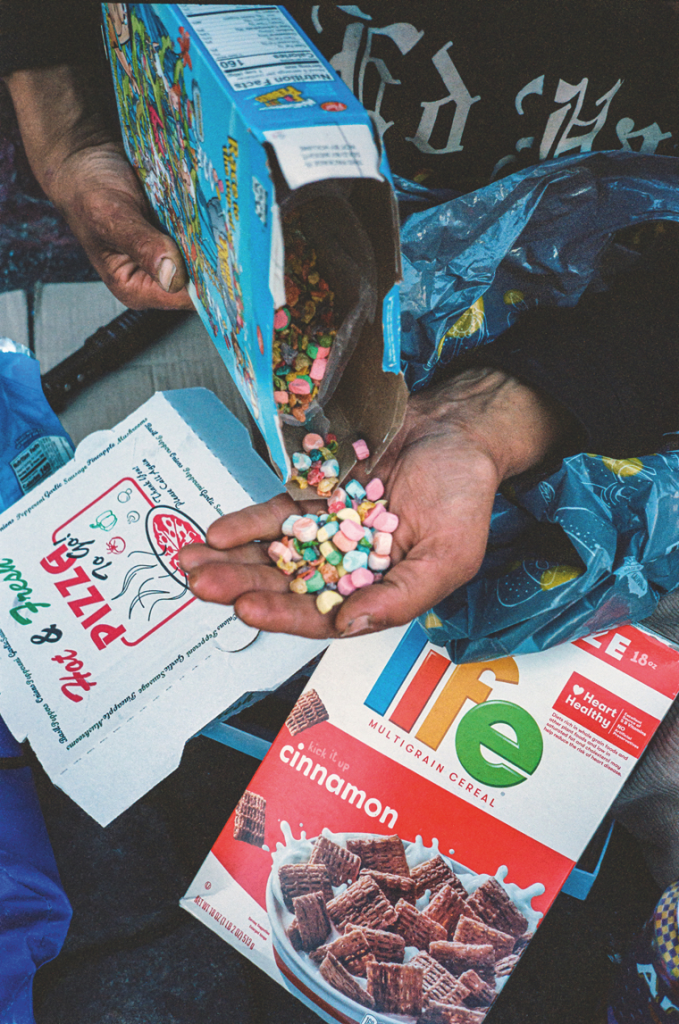
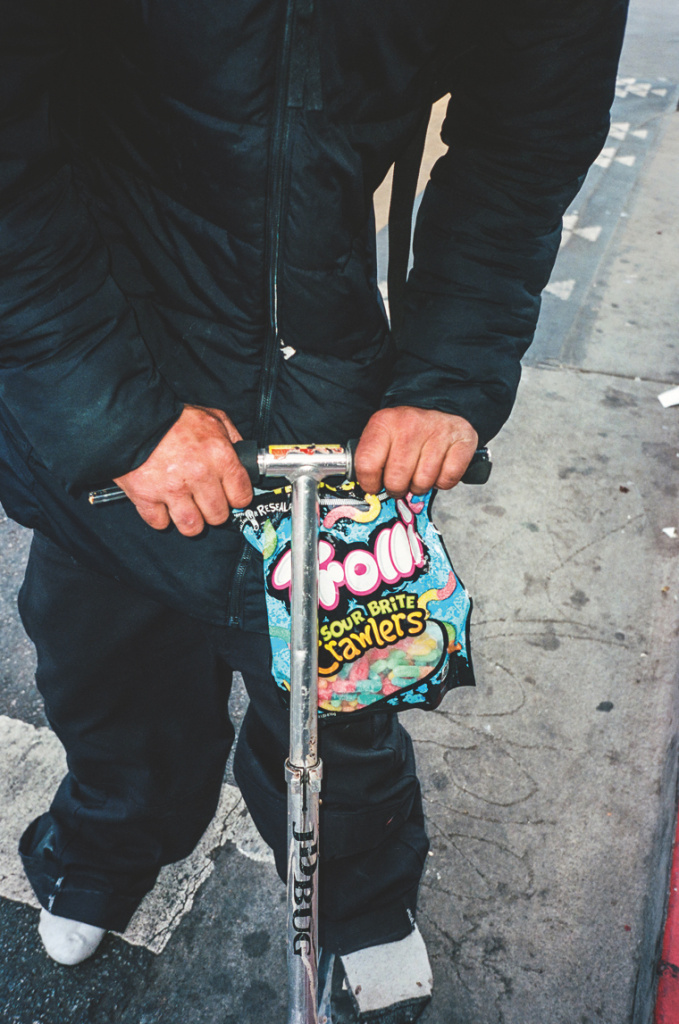
In that sense, this story isn’t really about food at all. It’s about what the heart reaches for when drugs are gone, control is lost, and nothing feels good anymore. It’s about how addiction fractures memory and identity. It’s about the ways a junk diet becomes both a chemical and emotional patch, and a substitute for what the body no longer knows how to make on its own.
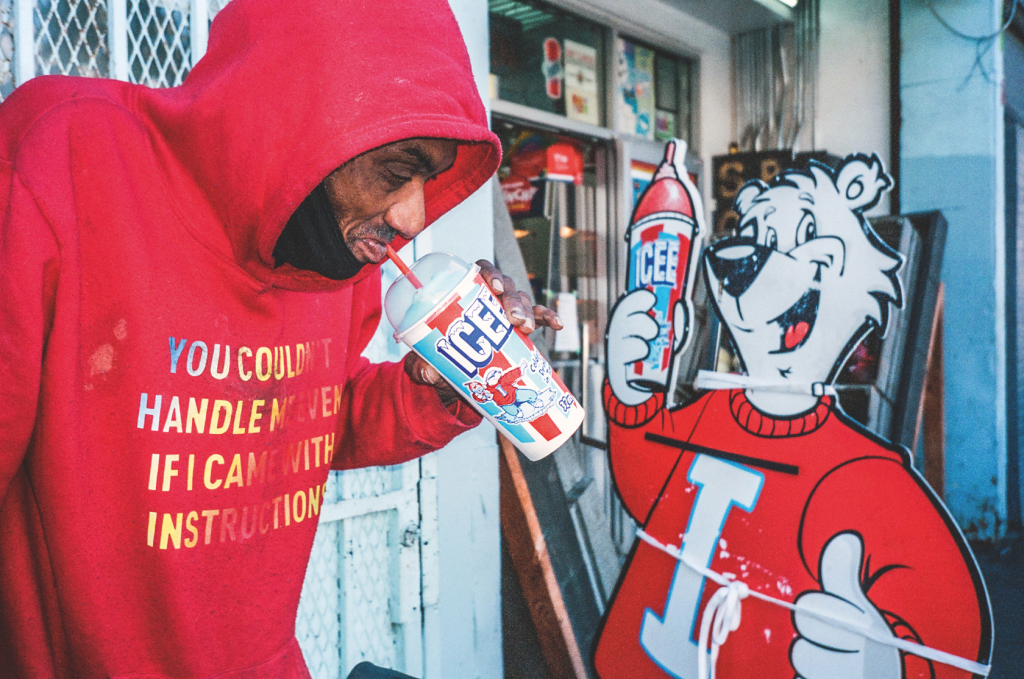
Public health keeps talking about recovery plans and naloxone kits. On the street, it’s simpler: sugar’s legal, costs a dollar, and actually shows up. Meanwhile, housing doesn’t, and the blood boys aren’t coming out to play.
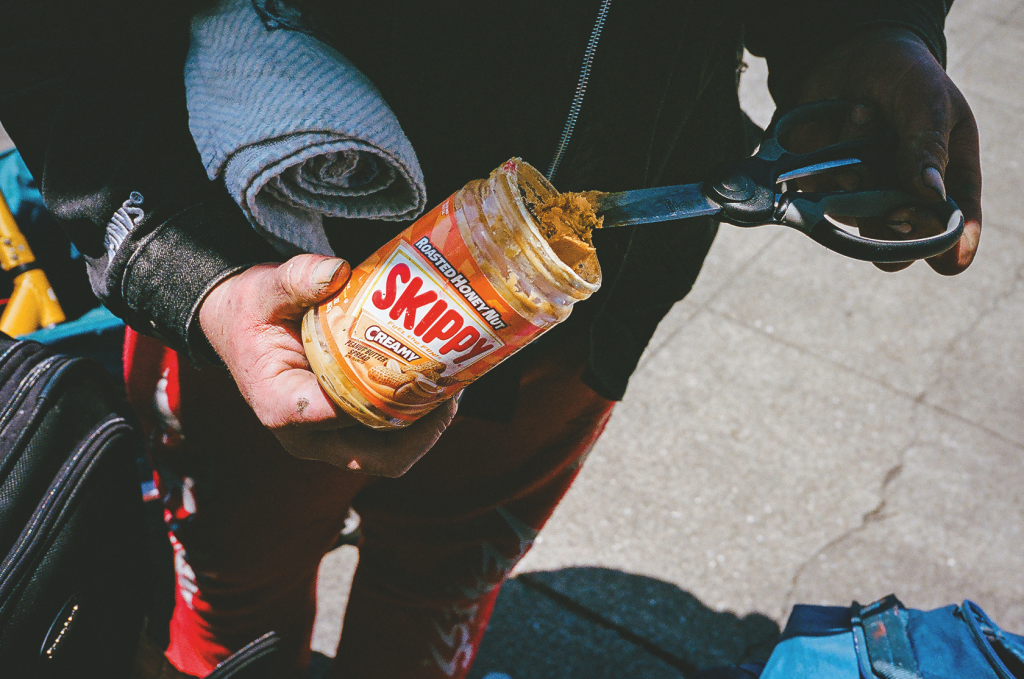
These pictures are part of Up, Side, Down, a long-term photo project by Vincent Pflieger.
This photo essay is from the spring 2026 issue of VICE magazine, THE NOT THE PHOTO ISSUE. Get four issues each year, sent straight to your door, by subscribing here.