

We’ve all been there, stuck on an airplane, cornered at a party, getting verbally attacked by the lowest form of communication: small talk.
These conversations are somehow scripted yet without substance, and to the person on the receiving end, they’re often a burden. It feels like a way for someone who has little to say to make themselves feel better by filling a void. In actuality, they’re often creating a larger one.
This inevitable and often outdated form of chit-chat may no longer be applicable in today’s society. Its proper nomenclature, “phatic communication,” was coined by anthropologist Bronislaw Malinowski in 1923 and was essentially created to label how we avoid those awkward silences. More than a hundred years later, it’s time to say goodbye to this empty reach for connection.
In a world in which people communicate more through electronic devices than in person, it is nice to be greeted with a “good morning” or “how’s it going?” I’m all for acknowledging the other humans around you. But would it be so bad if we stopped there? For introverts, it’s particularly harrowing, and those on the spectrum often find these types of conversations both confusing and challenging.
As for Gen Z it is literally anxiety producing, as 75% now reportfeeling uncomfortable with water-cooler conversations among coworkers. What was once commonplace for one generation is a form of torture for others.
When someone asks, “Any fun plans this weekend?” I struggle for the right answer. If I have nothing going on, I feel embarrassed. If I have something great, it feels like bragging. How is this a standard ice breaker?
This anxiety is only exacerbated during the holiday season, when small talk seems to multiply exponentially at work parties and family gatherings with people you see twice a year. Before the break everyone wishes me a “Merry Christmas” — even though I am Jewish. Then, when I come back after the holiday break, it’s Armageddon.
“How was your New Year’s?” or some version thereof is uttered by at least 20 colleagues before I even sit down. After a while, I simply don’t know how to respond. I’m drained from repeating myself and drained from coming up with utterances, smiling and responding in kind. Do they even care? Or is everyone just on autopilot, discharging questions when they are in no way interested in the response?
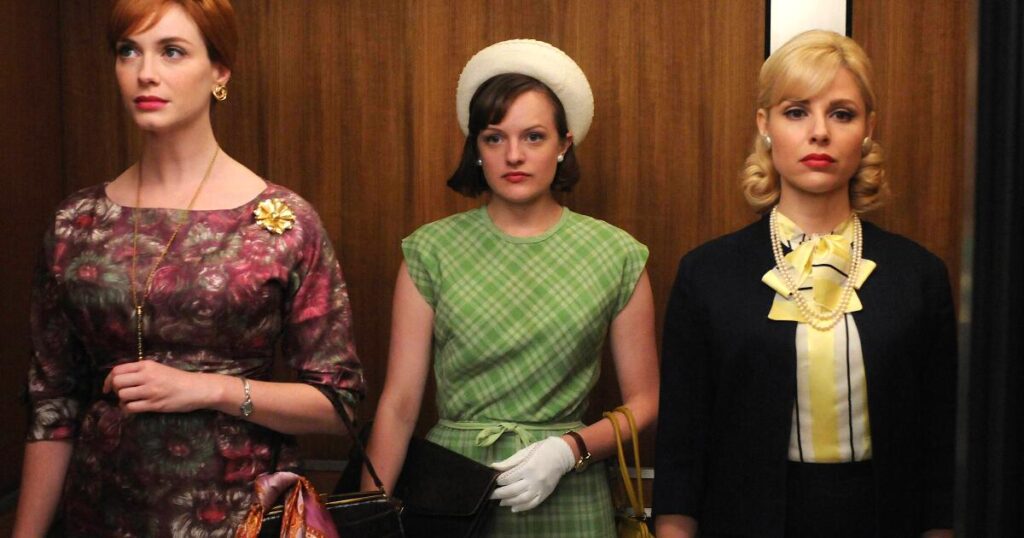
The worst contender is in the elevator — you are trapped. Someone will inevitably feel the urge to say something and you must endure their line of questioning until you reach your floor. It’s gotten so bad that I now often take the stairs. At least I get my steps in.
Small talk is meant to function as an entry to larger conversations, but most just linger in the familiarity and don’t risk going deeper into dialogues. I am more of a proponent of medium or big talk, conversations about things that matter. Let’s not stop at introductory questions and pleasantries. Instead of just asking me how work is, inquire about something you know about me. Wow me! And I promise to reply with something unique or thought-provoking. We’ll create discussion. Get real. But still, never in an elevator.
While it is important to relate with others, I am no longer convinced that prefabricated questions are the best way to do this. I propose that we think of new phrases or ways for people to pass the time. Small talk is the predictive text of today, often inaccurate and more trouble than it’s worth. It’s like an in-person thumbs-up emoji that has become the norm. A weather app will let me know if it is going to rain, but a person with an original idea — now that is worth some talk time.
Last week I went for a quick jaunt during lunch and I found myself in front of 40 Acres and a Mule, the Spike Lee film company based in Brooklyn. There was the director, sitting in a bright orange shirt and a half smile. I was nervous.
I wanted to say something, anything to a man I admire deeply. Dare I belt out the obvious? “How ‘bout them Knicks? Knicks in five!” Instead, I got more vulnerable.
“Spike,” I said, like we were best friends, “we actually met before.”
I told him about our first connection at a book signing a few years back, and how I taught at his alma mater. Then we discussed the changes in the neighborhood.
We stood there in the middle of Brooklyn hitting everything from education to gentrification to just plain conservation. In the end, we were two people conversing. As I walked away the last thing he said, was “Thank you for doing what you do.” I was full.
We would have never had that tete-a-tete if I had asked him about the weather.
Elana Rabinowitz teaches English as a second language and is a freelance writer. Her work has appeared in the New York Times, the Washington Post, CNN and elsewhere.