

By Joycelyn Ellakeche Adah
In a new collaborative effort to transform electricity access into a catalyst for economic growth, the Federal Government has partnered with the Rural Electrification Agency (REA) and ECOWAS stakeholders.
For years, Nigeria measured the success of its rural electrification initiatives solely by the number of connected communities and households.
However, the Federal Government is shifting this paradigm.
According to the Minister of Power, Joseph Tegbe, the new objective is to ensure electricity does more than light up homes—it must actively power local businesses, boost agricultural productivity, create jobs, and drive sustainable rural prosperity.
Speaking at the Stakeholders’ Engagement Workshop on Productive Use of Energy (PUE) in Abuja, the minister declared that rural electrification should no longer be seen simply as extending electricity infrastructure into underserved communities but as a tool for economic transformation.
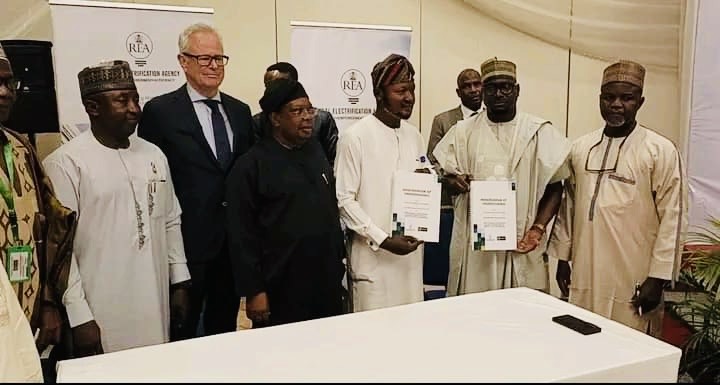
Persecondnews reports that the workshop brought together government agencies, development partners, financiers, manufacturers, farmers’ associations and representatives of the diplomatic community to develop a coordinated strategy for using energy to boost agricultural productivity and strengthen rural economies across Nigeria.
Addressing the participants, the Minister of Power emphasized that electricity is only truly transformational when it fuels productive activities that generate economic value and uplift livelihoods.
He stressed that success must be measured by real-world outcomes rather than connection counts alone.
The true impact, he noted, lies in whether farmers can irrigate more land, rice mills can increase their processing capacity, cold storage facilities can preserve fresh fish and produce, and young entrepreneurs can launch agro-processing businesses directly within their communities.
He described the Productive Use of Energy agenda as a strategic intersection between the power sector and key national priorities such as agriculture, industrialization, financial inclusion, food security and employment generation.
The minister noted that Nigeria will continue to lose significant value between harvest and market due to inadequate storage facilities, limited processing capacity and the high cost of operating energy intensive equipment.
According to agricultural experts at the workshop, post harvest losses remain one of the biggest challenges facing Nigeria’s food system, with substantial quantities of farm produce lost annually before reaching consumers because of poor preservation and processing infrastructure.
The government believes that expanding access to affordable and reliable energy for productive activities could help reverse that trend while improving food security and increasing rural incomes.
Tegbe argued that the economic case for investing in productive use energy solutions extends across the entire agricultural value chain.
He said farmers stand to benefit from lower operating costs and higher productivity, while financial institutions gain access to a growing market of potentially bankable projects.
Manufacturers, he added, would benefit from increased demand for locally produced equipment, while government could achieve broader objectives relating to economic growth, revenue generation and rural development.
At the heart of the discussions was a growing recognition that while millions of Nigerians have gained access to electricity over the years, the real economic impact of that access depends on how power is used.