
Ancient Molecules on a Pterosaur Fossil Revealed What Its Diet Looked Like 100 Million Years Ago

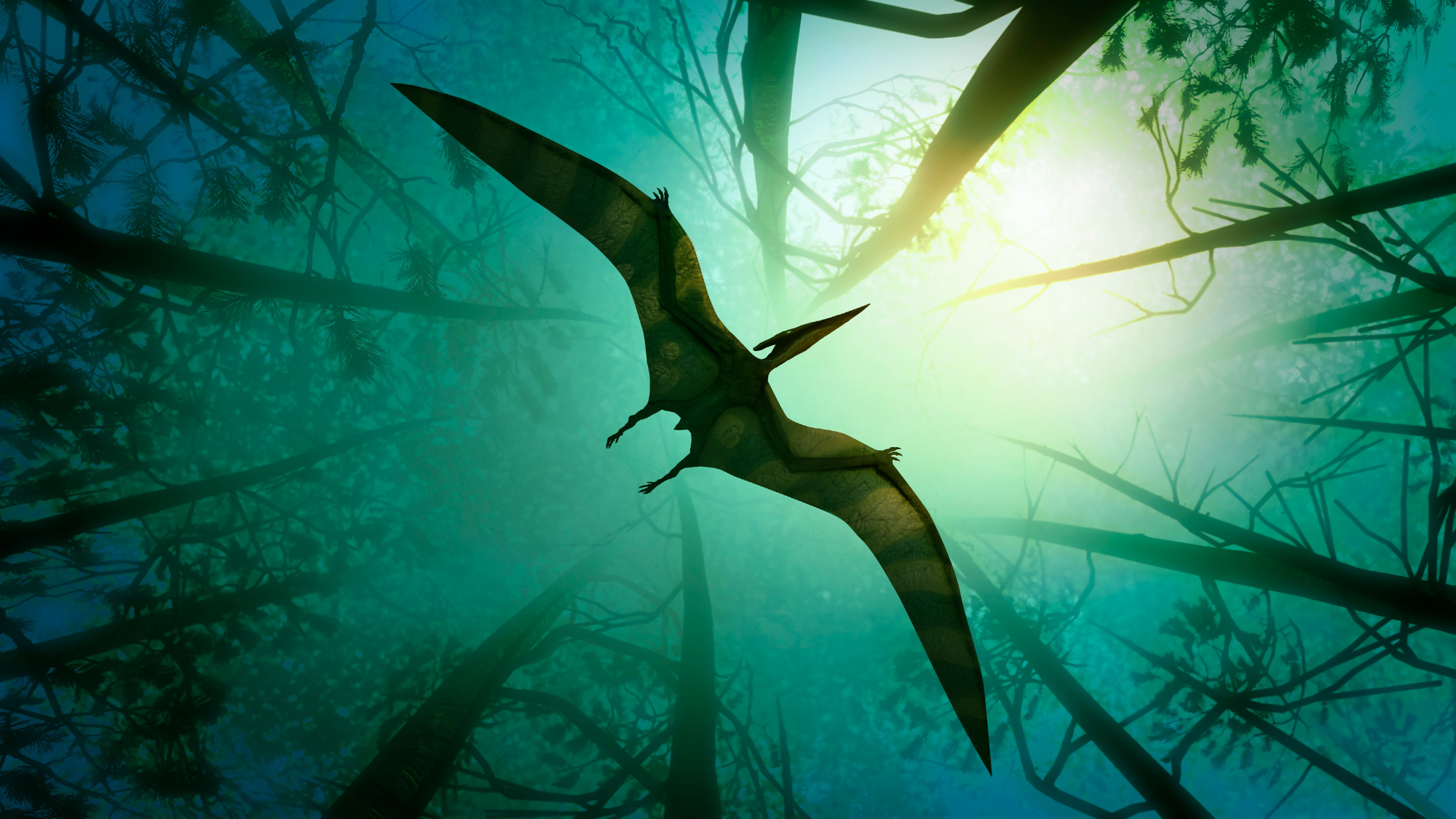
According to a new study in iScience, researchers found an especially well-preserved 113-million-year-old pterosaur fossil in Brazil. As if that wasn’t rare enough, this miraculously good-looking fossil had on its wing an equally well-preserved ancient steroid molecule, which has given researchers a molecular-level glimpse at what these ancient flying reptiles ate.
A lot of the world’s best-preserved pterosaurs came from Brazil’s Romualdo Formation. This one is no different. But unlike most fossils, where soft tissue disappeared long ago, this one retained some microscopic chemical traces thanks to a perfect combination of conditions.
Those conditions so perfectly fossilized the specimen that researchers were able to find steroid biomarkers inside the pterosaur’s hollow wing bones, suggesting that its diet consisted mostly of fish and cephalopods like squid, but it occasionally ate some land-dwelling critters, too. One small steroid molecule is all that was needed to take a peek into the eating habits of a pterosaur that’s been dead for over 100 million years.
The Pterosaur Died in Exactly the Right Way to Preserve Its Remains for Millions of Years
That in itself is a mighty big find, but researchers were just as impressed by the process by which this particular pterosaur fossil was preserved. It died seemingly over the ocean and eventually settled onto the seafloor, where sulfur-oxidizing bacteria started breaking down its soft tissue. But it didn’t destroy every last trace of its body.
Some of those microbes created mineral deposits that eventually sealed delicate bits inside calcium carbonate. The low oxygen levels and sulfuric waters that surrounded it created the perfect conditions for preserving the kinds of minute, detail-rich specimens scientists clamor over. It’s so well-preserved that the researchers call it a “time capsule” because, along with containing all manner of vivid detail of the pterosaur itself, it’s also loaded with all of the chemical signatures of the environment that preserved it.
This kind of discovery lets researchers study ancient animals, sure, but also ancient chemistry, providing us with about as good a peek into the past as we’ll ever get until time machines are invented.