
A Crab Survived Two Months at Sea in a Bottle That Should’ve Been Too Small. This Study Explains How.

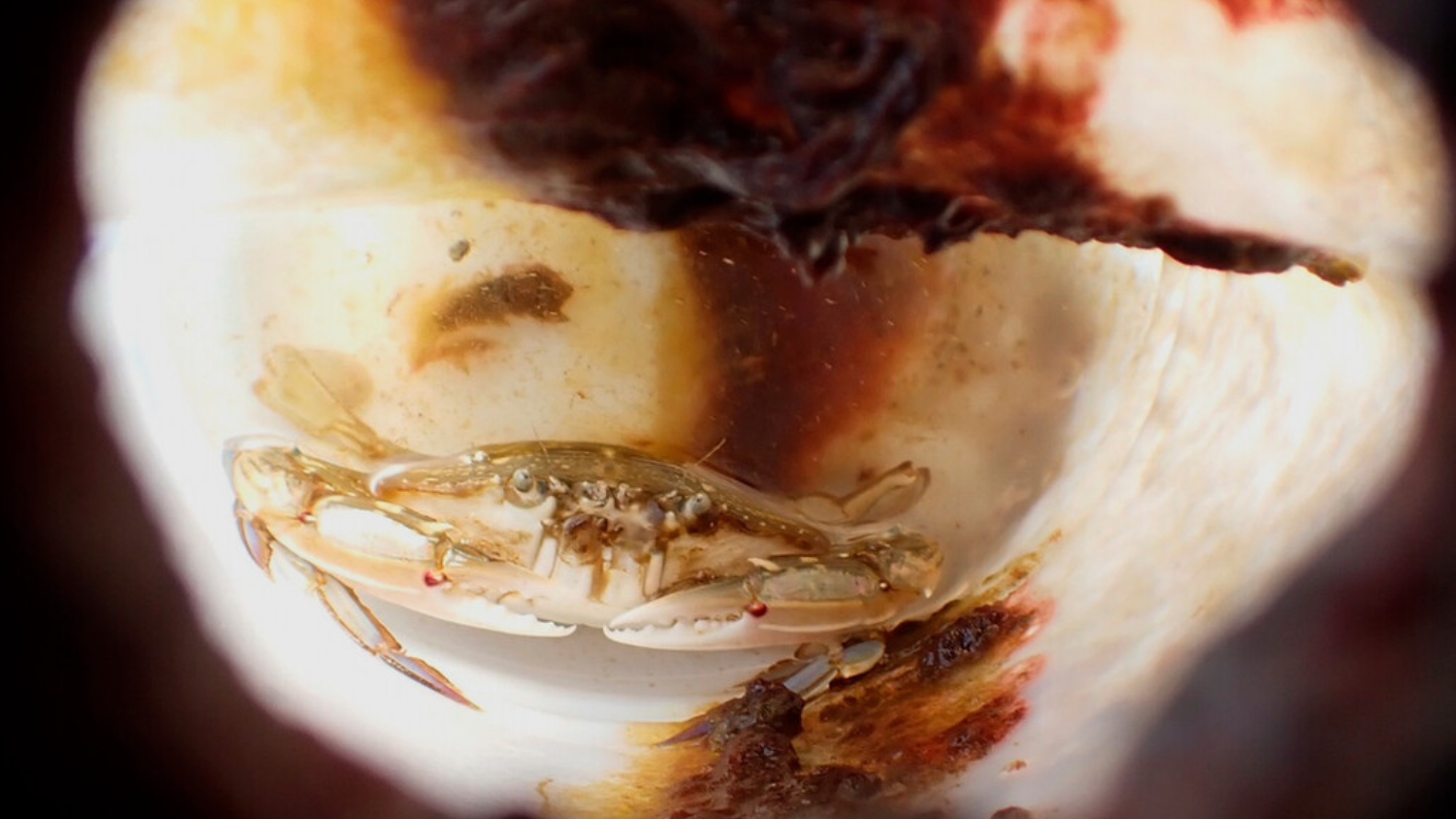
According to a new study published in Ecosphere, scientists off the coast of Okinawa, Japan, found a cute little fully-grown crab inside a floating plastic bottle. The crab seemingly swam inside the bottle when it was young, and grew until it couldn’t escape its little plastic prison.
It was a bit like a ship in a bottle: an impossibly big thing inside of an object with a small opening. The mouth measured just 24 millimeters across. The crab itself was more than 40 millimeters long and nearly 90 millimeters wide. The only explanation is that the crab entered the bottle as a tiny larva or a juvenile at most, then spent weeks growing inside it until it outgrew the exit.
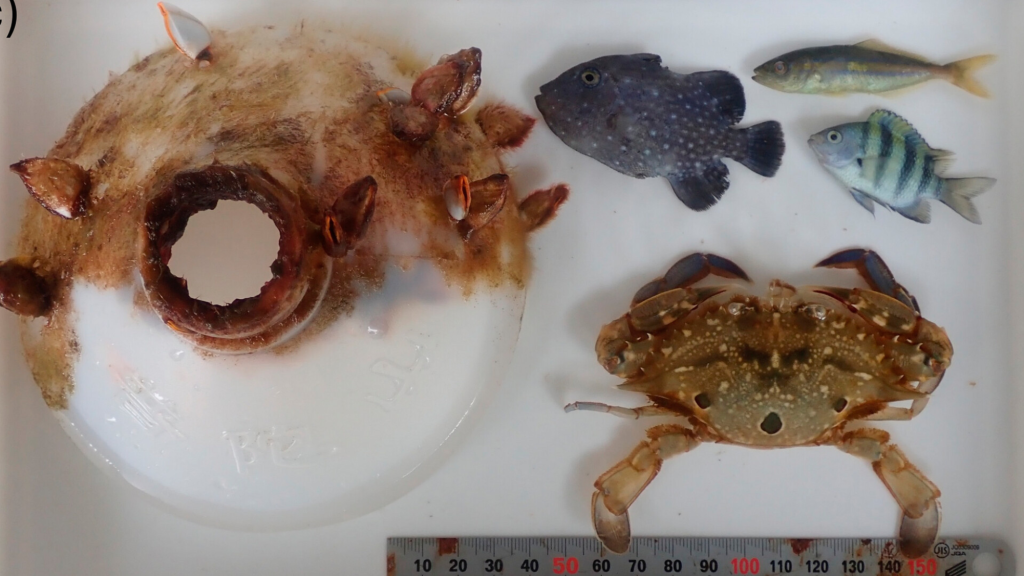
How the Scientists Learned the Crab Had Been Trapped for 2 Months
Researchers were able to piece together a more detailed picture of the crab’s journey thanks to some crafty forensic work. Goose barnacles attached to the outside of the bottle suggested that it’d only been drifting through the ocean for about 62 days. DNA from the crab’s stomach showed it had managed to survive by eating juvenile fish that wandered into the bottle, along with some algae growing inside its plastic home.
Plastic pollution is often a nebulous, hard-to-grasp idea. People get it in theory, but when presented with facts and figures, the magnitude of it washes over them, as the conception of the problem slips into unemotional territories that are difficult to grasp. Stories like this instantly put a face and a recognizable plight — being trapped — to a global problem, one in which stories like these are probably much more common than we think.
In fact, we know it’s more common, since in their paper, the researchers say that this isn’t the first time they’ve encountered similar cases in the waters around Japan.