

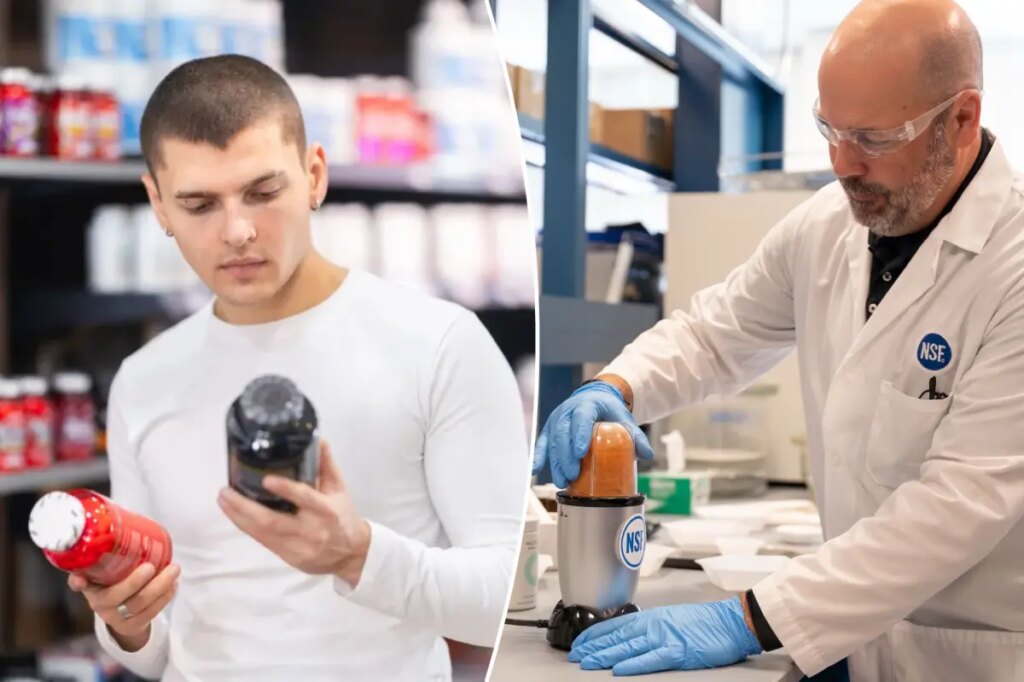
Stroll down the supplement aisle and you’ll find no shortage of labels, badges and buzzwords meant to put your mind at ease.
Don’t be fooled. The US supplement industry is about as close to the Wild West as you can get.
The Food and Drug Administration estimates there are more than 100,000 vitamins, minerals, herbs, botanicals, amino acids and probiotics on the US market, with roughly 75% of adults taking them.
More than 1,000 new dietary supplements enter the market every year — but unlike prescription drugs, federal regulators don’t review them or their labels before they’re sold.

In fact, many dietary supplements can be marketed without even notifying the FDA.
Manufacturers aren’t required to prove their products are safe, effective or even contain what the label claims before consumers buy them.
Still, some reputable brands go beyond what the law requires, voluntarily paying independent organizations to inspect their facilities and test their products.
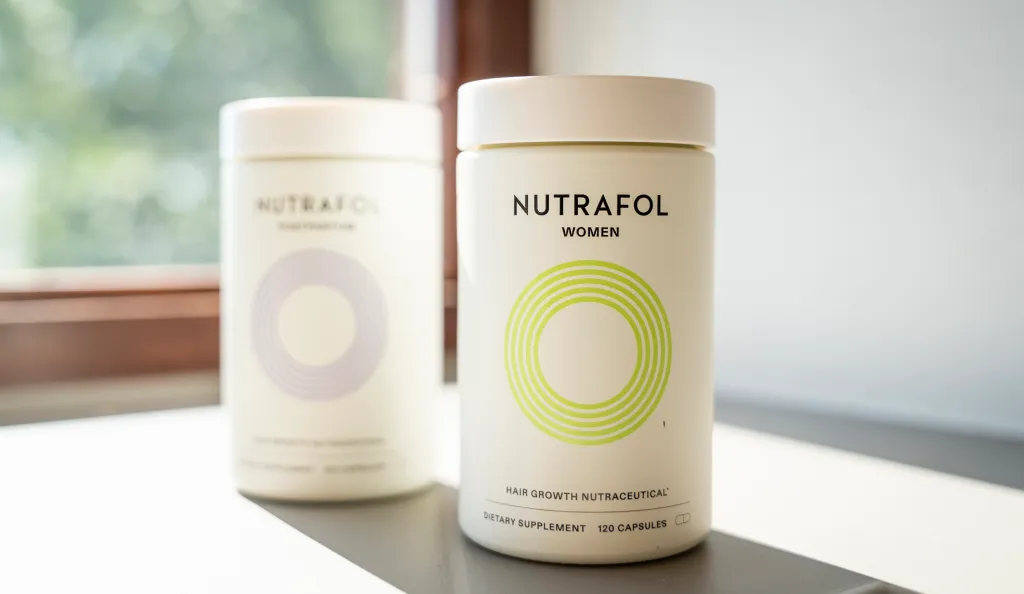
Among the best known is NSF International, which verifies that products contain the ingredients listed on the label, are free of contaminants and are produced under good manufacturing practices. Brands like Nutrafol, Thorne, BodyHealth, MegaFood and Timeline Nutrition all have NSF certifications, which are clearly printed on their labels.
But that process is rigorous, expensive and entirely optional. Instead, some manufacturers rely on marketing tricks that make their products appear far more thoroughly vetted than they really are.
Two misleading tactics show up on supplement bottles again and again, according to David Trosin, managing director of NSF’s health sciences certification program.
‘FDA registered’ doesn’t mean what you think it means
“One of the things that drives me nuts is, they’ll say ‘FDA registered,’” Trosin told reporters during a roundtable discussion hosted by hair-growth supplement brand Nutrafol. “What that means is, congratulations, you can go online and fill out a form.”
The designation only indicates that a company has filed basic information with the FDA — not that the agency has reviewed, tested or verified the safety, efficacy or quality of the supplement.
“It makes me so angry when I see that, because to a consumer who doesn’t know what that means, they’re thinking that the [supplement company] has gone through the extra steps. That the FDA has evaluated or somehow approved of what they do,” Trosin said.
‘Independently tested’: not the safeguard it sounds like
Other phrases that can give shoppers a false sense of security: “independently tested” or “third-party certified.”
Those claims aren’t regulated. Any brand can print them on its packaging, even if no outside lab ever tested the product.
“All that took was Photoshop, really,” Trosin said. “There’s no grit behind it to indicate that it means something.”
While the FDA doesn’t review dietary supplements before they’re sold, federal law does require manufacturers to use “appropriate” tests to ensure their products meet certain standards before reaching consumers — including checks for undeclared pharmaceutical drugs and toxic heavy metals.
But even those safeguards can be manipulated.
In some cases, bad actors turn to so-called “dry labs” — companies that produce testing reports without actually verifying the supplements.
“If you sent me your product and I was running a dry lab, basically, I would just have an office building or a PO box,” Troisin explained. “I have no equipment. I’m not actually testing the product. I’m just writing a test report and sending it back to them, and that costs $395.”
In some cases, an analyst simply makes up the results. In others, they alter them to fit a desired outcome.
That kind of fraud can put consumers at risk by allowing products with hidden toxins, undeclared pharmaceuticals or dangerously high levels of certain ingredients to reach the market.
In some cases, supplements may contain little to none of the active ingredients consumers paid for.
Buyer beware: other red flags to look for
Other phrases found on supplement bottles deserve a closer look, too.
- “Natural” and “organic”: These claims are not regulated and do not guarantee a product’s safety or quality.
- “Pharmaceutical strength”: There is no official standard for pharmaceutical strength in over-the-counter supplements.
- “GMP,” short for “Good Manufacturing Practices”: Indicates that a supplement was produced in a facility that follows certain safety standards. It does not, however, guarantee the purity, safety or accuracy of every individual batch.
When a supplement company has worked with a legitimate third party to verify the safety, efficacy and quality of its product, that certification will be clearly displayed on the label.
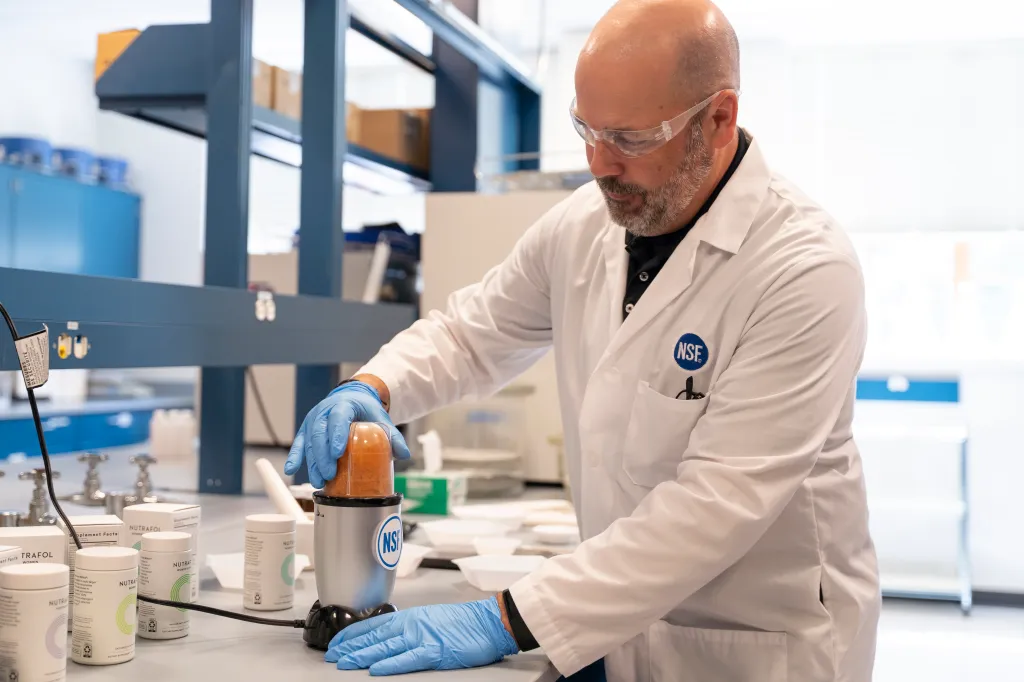
For NSF-certified supplements, consumers can look for the organization’s circular NSF logo on the packaging.
“That actually means something, as opposed to an American flag that says GMP,” Trosin said.
Consumers can also verify certified products and batch numbers through NSF’s official online database.
Problems in the supplement aisle are more common than many shoppers realize.
One study of 121 dietary supplements found that 5% exceeded safe daily consumption limits for arsenic. Two percent contained excessive levels of lead, cadmium and aluminum, while 1% contained too much mercury.
In another study, researchers found bacterial and fungal contamination in all 138 products they examined.
And in a review of FDA data, scientists found that 800 dietary supplements sold over the counter between 2007 and 2016 contained unapproved drug ingredients. One in five contained more than one.
But just because federal regulators don’t review supplements before they hit the market doesn’t mean manufacturers operate without oversight.
The FDA inspects facilities for compliance and monitors reports of adverse events.
When public health concerns arise about a supplement or ingredient, the agency has the authority to take action to protect consumers — including removing products from the market.