

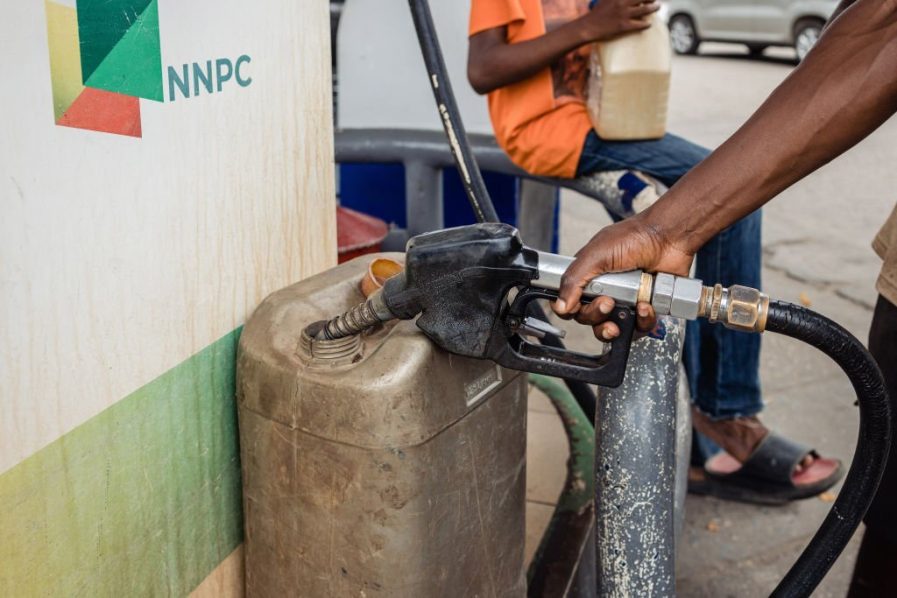
The Nigerian National Petroleum Company Limited (NNPCL) has reduced the pump price of Premium Motor Spirit (PMS), popularly known as petrol, for the second time within four days, further easing fuel costs for motorists at some of its retail outlets.
The latest reduction comes as global crude oil prices continue to decline following the easing of tensions in the Middle East, prompting expectations that domestic fuel prices could witness further adjustments in the coming weeks.
The development also follows a recent price cut by Dangote Refinery, reinforcing the growing competition in Nigeria’s deregulated downstream petroleum sector.
NNPCL reduces pump price by N50
A market survey conducted on Saturday showed that NNPCL filling stations located at Airport Junction and Wuse Zone 6, popularly known as Berger, in Abuja, have reduced the pump price of petrol from N1,260 per litre to N1,210 per litre.
The N50 reduction comes only four days after the national oil company lowered its pump price by N75 per litre, bringing the cost to N1,260 at the time.
The latest adjustment means motorists buying fuel at the affected NNPCL outlets will now pay less, while prices at other filling stations across Abuja still vary depending on the marketer.
Competition shapes pricing
The latest reduction reflects increasing competition among petroleum marketers following the deregulation of the downstream oil sector.
The adjustment came barely two days after Dangote Refinery announced a N50 reduction in its ex-depot, or gantry, price of petrol, bringing the price down to N1,125 per litre.
As a result, petrol prices across Abuja and neighbouring communities now range between N1,210 and N1,305 per litre, depending on the retail outlet.
No doubt, the competition among refiners and marketers is expected to continue influencing pump prices as operators respond to changing market conditions.
Lower crude oil prices drive reductions
The latest price review coincides with a decline in international crude oil prices after geopolitical tensions in the Middle East eased, reducing fears of major supply disruptions.
West Texas Intermediate (WTI) crude currently trades at around $69 per barrel, while Brent crude, the benchmark for Nigeria’s oil exports, is selling at approximately $71 per barrel.
Lower international crude prices generally reduce the cost of refined petroleum products and often create room for marketers to review domestic pump prices downward.
Energy analysts believe further reductions may be possible if global oil prices remain stable and supply conditions continue to improve.
Nigerians seek further relief
Despite the latest reduction, many Nigerians have continued to call for more significant cuts in petrol prices, arguing that the decline in global crude oil prices should translate into greater relief for consumers.
The high cost of fuel has continued to affect transportation, food prices and the overall cost of living since the removal of petrol subsidy, making every price adjustment closely watched by households and businesses.
For now, consumers remain hopeful that sustained competition in the petroleum sector and favourable international market conditions will lead to more downward reviews in the weeks ahead.