

General News
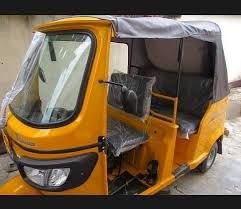
FOR many commercial tricycle operators in Kaduna say adoption of Compressed Natural Gas CNG is easing the strain of rising fuel costs and restoring profitability.
Findings by the News Agency of Nigeria NAN has shown that many operators are gradually embracing CNG-powered tricycles following the sharp rise in petrol prices following the removal of fuel subsidy in 2023.
Some operators told NAN that the development has help revive their businesses, while others who had abandoned the trade have returned.
Musa Abdullahi, 38, a tricycle operator in Tudun Wada, said that the shift had significantly reduced his daily expenses.
“Before now, I spent up to ₦15,000 daily on fuel, sometimes, I returned home with almost nothing,” he said.
He said with the CNG, his daily fuel cost had dropped to between ₦2,000 and ₦3,000, enabling him to save more and better support his family.
Another operator, Bala Garba, who operates along the Kawo axis, told NAN that he now spends about ₦18,000 weekly on CNG, compared to over ₦70,000 he previously spent on petrol.
“Then, after removing fuel and other expenses, I was left with maybe ₦20,000 profit weekly. Now, I make between ₦45,000 and ₦50, 000,” he said.
Similarly, a 32-year-old operator, Sani Lawal, said he refuels his tricycle with CNG at an average cost of ₦75,000 monthly, far lower than the over ₦200,000 he spent on petrol.
“Before, everything went into fuel. Now, after expenses, I can comfortably take home over ₦100,000 in a month,” Lawal said.
“I almost left this work in 2025 because I couldn’t cope with fuel costs, but now with CNG, it is more affordable,” said Ibrahim Sadiq, a 27-year-old operator.
Commuters were beginning to feel the impact, as some operators slightly reduced fares on certain routes.
A passenger, Mrs Amina Sule, said she now pays between ₦200 and ₦250 for trips that previously cost ₦300.
“It may not be much, but it is helping us manage the situation,” she said.
Stakeholders in the transport sector say the lower cost of CNG, compared to petrol, is key to reducing operational expenses and improving earnings for operators.
They also note that the initiative was creating opportunities along the value chain, including vehicle maintenance and gas supply.
However, some operators expressed concern over the limited number of CNG refuelling stations and the cost of acquiring the tricycles, describing them as barriers to wider adoption.
Experts also point out that CNG burns cleaner than petrol, making it more environmentally friendly and beneficial for air quality in urban centres.
In spite of these challenges, many operators said that the transition was a welcome development and a step toward sustainability.
For Abdullahi, the change represents renewed hope for his livelihood.
“If this continues, we will be able to stand on our feet again,” he said.
NAN
A. A
MAY. 5, 2026
Tags: Compressed Natural Gas Musa Abdullahi