

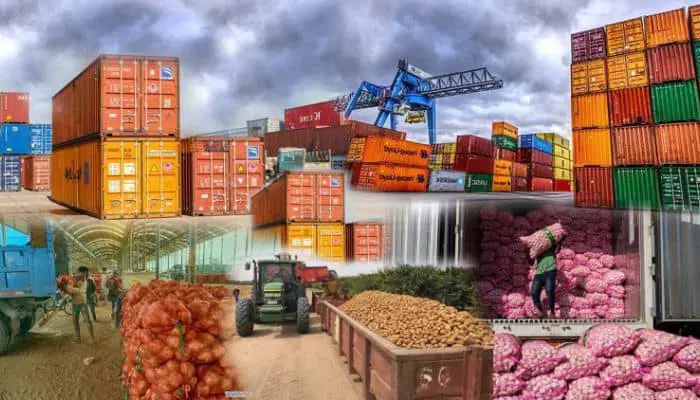
Non-oil exporters have referred to as for the institution of a one-stop export processing system to handle regulatory bottlenecks, scale back prices, and improve Nigeria’s competitiveness in world markets.
The decision was made at a coverage roundtable on market entry for Nigeria’s non-oil export sector, themed ‘Advancing SME Competitiveness beneath DCTS and AfCFTA’. The occasion introduced collectively policymakers, regulators, improvement companions and personal sector gamers to overview challenges and suggest reforms.
Nationwide President of the Community of Working towards Non-Oil Exporters of Nigeria (NPNEN), Hon. Ahmad Rabiu, mentioned the examine highlighted structural limitations affecting exports, together with weak infrastructure assumptions, low capability to satisfy worldwide requirements, and gaps inside regulatory establishments.
He careworn the necessity for a practical export technique rooted in native realities, noting that international locations like Malaysia succeeded by aligning insurance policies with home capability. He additionally referred to as for the revival of inland ports to ease cargo motion and scale back stress on seaports.
Equally, President of the Nigeria Commerce and Funding Heart, Canada, Mr. Olufemi Boyede, recognized key constraints resembling restricted entry to finance, poor logistics, and coverage inconsistencies. He famous that a number of regulatory businesses at export factors enhance prices and scale back effectivity.
Sponsored
“One of many largest limitations is the multiplicity of regulators, every imposing expenses, which raises the price of Nigerian exports. A one-stop export processing centre is the best way ahead,” he mentioned.
Additionally talking, Government Director, African Worldwide Commerce and Commerce Analysis, Mr. Sand Mba, mentioned most exporters face challenges earlier than reaching the border, significantly logistics hurdles, compliance points, and unofficial expenses.
In response to him, about 62 % of exporters battle with pre-border constraints, limiting their skill to scale and entry worldwide markets.
Stakeholders on the discussion board agreed that improved coordination, higher entry to finance, and stronger institutional help are essential to unlocking alternatives beneath the African Continental Free Commerce Space (AfCFTA) and the UK’s Growing Nations Buying and selling Scheme (DCTS).
SPONSORED