

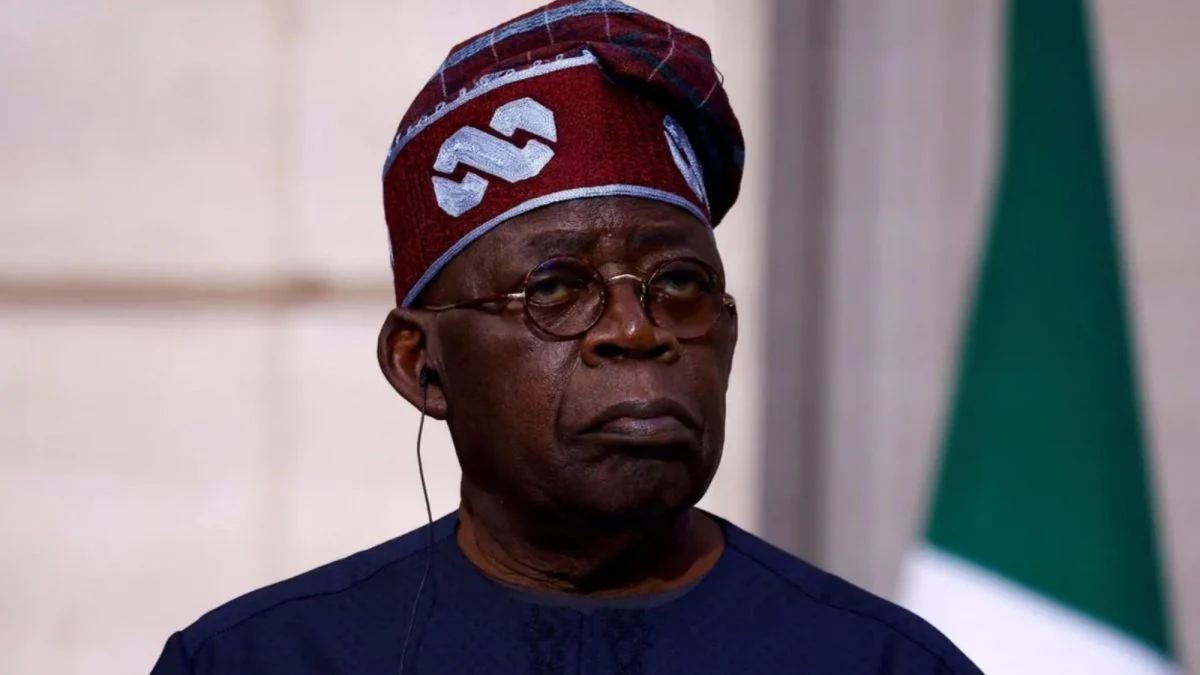
The Presidency has defended the administration of President Bola Tinubu over its record on industrial actions in Nigeria’s education sector, insisting that preventing prolonged academic strikes is a major achievement that should not be dismissed.
Presidential aide on social media, Dada Olusegun, made the remarks while responding to an X user, @mayyor_, who questioned the government’s decision to count the absence of academic strikes as a major achievement.
The X user had written, “Imagine counting ‘No academic strike’ as a major achievement in Tinubu government kai 😭.”
Reacting to the comment, Olusegun criticised the user, suggesting that the person had never experienced the disruption caused by prolonged strikes by the Academic Staff Union of Universities (ASUU).
“Obviously, a comment from a newbie who never experienced the dark days of ASUU strike,” he wrote.
The presidential aide accused the critic of deliberately attempting to downplay the government’s efforts to address a longstanding problem that had repeatedly disrupted Nigeria’s university system.
He argued that maintaining uninterrupted academic activities should be recognised as an important achievement, particularly considering the years students spent at home during prolonged industrial disputes between university lecturers and the Federal Government.
“This is simply an attempt to deliberately divert attention from, and denigrate the government’s efforts to change a norm that has held our education system back for years,” Olusegun stated.
He further maintained that anyone genuinely concerned about the development of education in Nigeria should appreciate efforts to prevent disruptions to academic activities.
“Anyone who genuinely cares about education wouldn’t take this for granted. Keeping students in school, protecting academic calendars and ensuring uninterrupted learning should be celebrated, not mocked,” he added.
Olusegun also suggested that younger Nigerians who had not experienced the prolonged university shutdowns of previous administrations might not fully appreciate the importance of maintaining stable academic calendars.
“It appears we have normalised strikes so much that ending them now sounds like a joke to new generations who never witnessed it, all thanks to the deliberate effort of our President @officialABAT,” he wrote.
Nigeria’s university system has experienced several prolonged ASUU strikes over the years, with the 2022 industrial action lasting approximately eight months and forcing students in public universities to remain at home.
Since Tinubu assumed office in May 2023, the administration has highlighted the absence of prolonged nationwide ASUU strikes as evidence of improved industrial relations in the education sector.
However, the stability has not been without challenges, as university lecturers have continued to raise concerns over the implementation of agreements, unpaid entitlements and welfare conditions.