

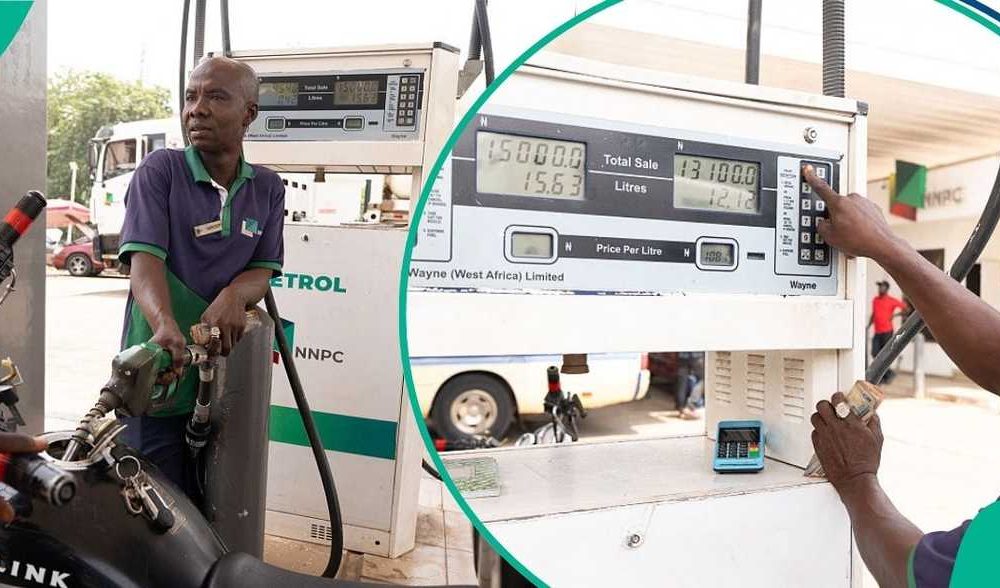
The cost of importing Premium Motor Spirit (PMS), commonly known as petrol, into Nigeria has declined to N1,164.06 per litre, raising expectations of possible reductions in domestic fuel prices.
The latest figures released by the Major Energies Marketers Association of Nigeria (MEMAN) showed that petrol import parity fell from N1,189.86 per litre recorded on November 4 to N1,164.06 per litre as of November 5.
The decline represents a reduction of N25.80 per litre, equivalent to 2.17 per cent within one day.
However, the import parity price remains below the N1,215 per litre gantry price announced by Dangote Refinery, indicating that importing petrol was relatively cheaper than purchasing the product at the refinery’s loading point at the time covered by the bulletin.
The development comes amid a decline in international crude oil prices, following the reported de-escalation of the conflict involving Iran.
Market data showed that Brent crude futures fell by 2.31 per cent to $90.43 per barrel, while West Texas Intermediate (WTI) declined by 1.93 per cent to $85.17 per barrel.
The downward movement in crude oil prices could ease the cost of refined petroleum products and potentially create room for further adjustments in domestic petrol prices.
READ ALSO; Petrol prices set to drop as Dangote Refinery cuts gantry rate to N1,215
Industry watchers say sustained reductions in international crude prices, alongside competition between domestic refiners and fuel importers, could influence the direction of petrol prices in Nigeria.
Petrol Prices Remain High at Filling Stations
Despite the decline in import parity, petrol prices at filling stations across Nigeria remain significantly higher.
Available market checks indicate that Nigerian National Petroleum Company Limited (NNPCL) filling stations sell petrol at about N1,325 per litre, while other marketers dispense the product at prices ranging between N1,395 and N1,420 per litre.
The prevailing retail prices suggest that consumers are yet to benefit fully from the latest reduction in import costs.
The difference between import parity and pump prices also reflects other components of the downstream petroleum pricing structure, including transportation, distribution, operating expenses and marketers’ margins.
Competition Could Trigger Further Price Adjustments
The latest development highlights the growing competition between Dangote Refinery and imported petroleum products in Nigeria’s deregulated downstream market.
With import parity falling below Dangote Refinery’s gantry price, marketers could reassess their supply arrangements based on prevailing costs and commercial considerations.
A sustained decline in crude oil prices could further reduce the landing costs of imported petrol, potentially putting pressure on domestic refiners and marketers to adjust their prices.
However, the extent to which the reduction will translate into lower pump prices will depend on movements in international crude and refined product markets, exchange rates, logistics costs and domestic supply conditions.
For Nigerian motorists and households already grappling with high transportation and living costs, any sustained reduction in petrol prices could provide some relief.