

The Lagos State Government has intensified efforts to bridge its estimated 12,000-megawatt electricity deficit, rallying federal authorities, regulators, energy companies and private investors behind an ambitious plan to deliver reliable power supply and drive a 24-hour economy.
With electricity demand in the state far exceeding supply from the national grid, the government is seeking massive investment, regulatory reforms, infrastructure expansion and alternative generation arrangements to address the shortfall and reduce the burden on businesses and households.
The Commissioner for Energy and Mineral Resources, Biodun Ogunleye, who disclosed the scale of the challenge, said electricity remained critical to Lagos’ economic competitiveness, industrialisation and sustainable development, insisting that stakeholders must move beyond policy discussions to deliver practical solutions.
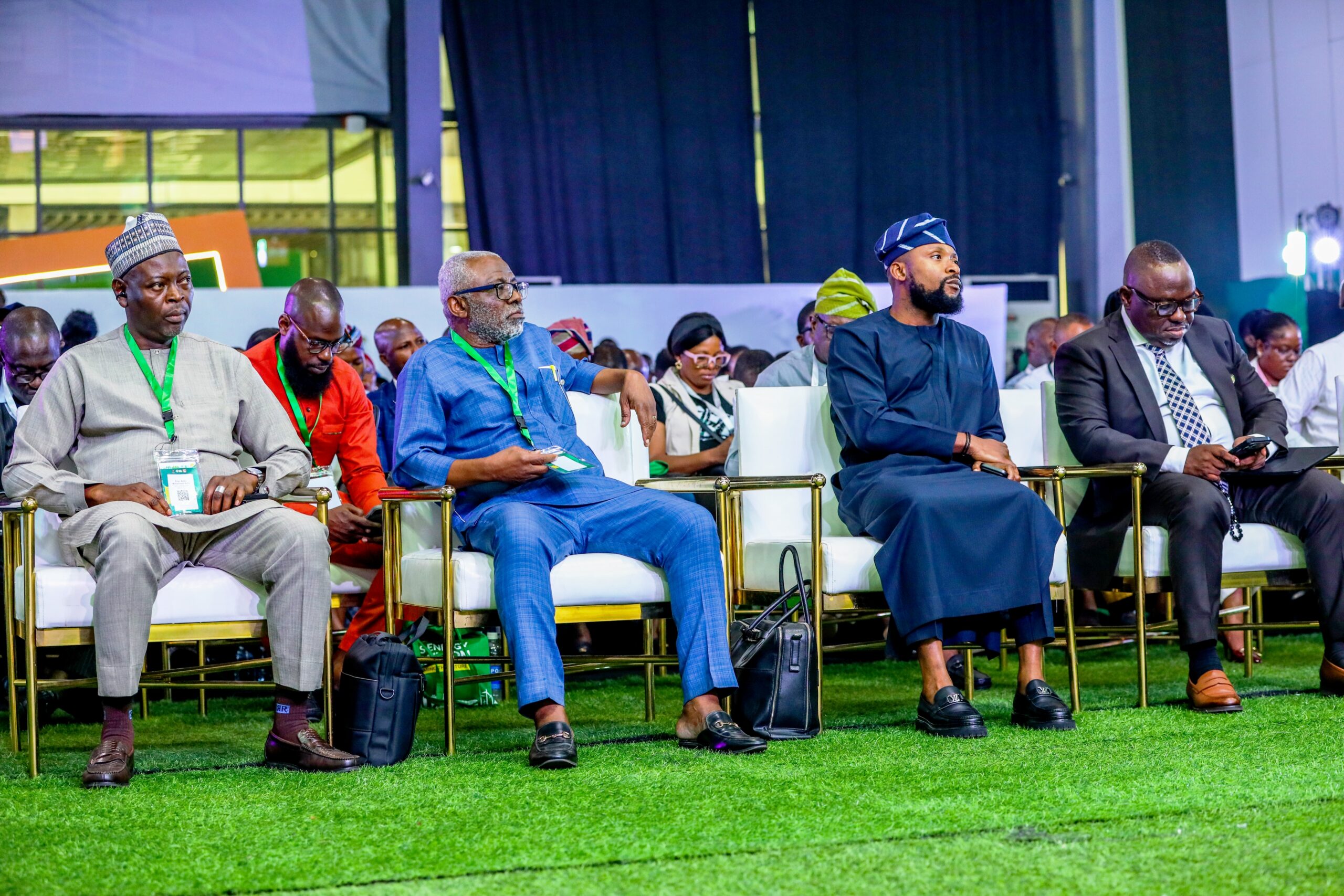
Ogunleye spoke on Tuesday at the Lagos Energy Summit 2026, held in Victoria Island, under the theme, “Lagos Energy Evolution – Transforming the Future.
The two-day summit attracted government officials, electricity regulators, energy industry leaders and investors to explore investment opportunities, regulatory reforms, infrastructure development and innovative approaches to meeting the state’s growing energy requirements.
The commissioner said Lagos required approximately 12,000 megawatts to meet its electricity needs, while supply from the national grid remained significantly below the level of demand.
He described the gap as both a major development challenge and an investment opportunity, drawing attention to the findings of the Beyond Gensets study, which highlighted the enormous commercial potential of the state’s existing off-grid electricity generation market.
According to him, closing the gap would require stronger partnerships between government and private investors, clearly defined responsibilities and measurable commitments capable of translating into improved electricity supply.
To achieve this, Ogunleye outlined the state’s Seven-Point Energy Agenda, which prioritises stronger regulatory cooperation between federal and state authorities, electricity market sustainability, wheeling arrangements, off-grid generation frameworks and embedded power generation.
Other components include expanding distribution infrastructure and metering, strengthening subnational electricity regulation and deploying modern technologies to improve the efficiency and reliability of the electricity market.
The commissioner challenged stakeholders to identify workable financing and implementation strategies that would accelerate the state’s electricity transformation, stressing that the ultimate objective was to establish a market capable of supporting businesses, industries and residential consumers.
Speaking on behalf of the
The Minister of Power, Joseph Tegbe, , highlighted the Federal Government’s efforts to stabilise electricity supply, improve liquidity in the power sector, optimise existing infrastructure and expand the national grid to accommodate increasing demand.
Tegbe, who was represented by his the Special Adviser on Finance, Taiwo Ajetunmobi, stressed the importance of addressing structural challenges in the electricity industry, noting that improved sector financing and infrastructure development were essential to achieving sustainable power supply.
The former Special Adviser on Power to the ex-President, Goodluck Jonathan, Uzoma Achinaya, emphasised the need for closer collaboration between the Federal Government and state governments to advance electricity reforms and deliver sustainable power solutions.
He underscored the importance of coordinated interventions and strategic partnerships in addressing the country’s electricity challenges, particularly as states increasingly explore opportunities to develop and regulate their electricity markets.
The Chairman of the House Committee on Energy and Mineral Resources at the Lagos State House of Assembly, Sabur Oluwa, reaffirmed the legislature’s readiness to support policies and programmes that would guarantee reliable, affordable and sustainable electricity for residents and businesses.
In a presentation on the role of gas in the electricity market, Seplat Energy’s Chief Executive Officer, Effiong Okon, who was represented by Alonge Longe, identified gas-to-power as a critical component of efforts to support industrial development, manufacturing and essential infrastructure.
He advocated energy solutions that prioritise consumers’ needs, long-term affordability and operational sustainability, noting the importance of reliable energy sources to economic productivity.
Beyond electricity generation, the summit examined the structural problems undermining the performance of the power market, with technical and plenary sessions focusing on metering, distribution losses, investment financing, accurate billing, consumer confidence and infrastructure development.
Participants also explored the intersection between energy and transportation, particularly opportunities in compressed natural gas conversion, electric vehicle adoption, affordable financing and the development of supporting infrastructure.
The summit organisers further clarified that Lagos is not disconnecting from the national grid but is strengthening local electricity networks and exploring diversified supply arrangements to improve energy security and system resilience.
The Lagos State Electricity Regulatory Commission (LASERC), established under the Lagos State Electricity Law 2024, remains central to the development of the state’s electricity market through effective regulatory oversight, consumer protection and the promotion of a transparent and sustainable operating environment.
Another highlight was the Lagos Cleaner Energy Schools Innovation Challenge (LCESIC) 2026, which featured students from fifteen secondary schools presenting innovative ideas to promote cleaner energy solutions.
As the summit proceeds into Day Two, stakeholders are expected to continue discussions on project financing, gas pricing, infrastructure development and practical strategies for expanding reliable electricity supply across Lagos.
The conversations reinforced one fundamental message: achieving a 24/7 electricity economy requires strong institutional collaboration, effective regulation, sustained investment and shared responsibility.
For Lagos, the energy evolution is about more than increasing electricity supply; it is about building a resilient power market that supports businesses, empowers communities and drives sustainable economic growth.