

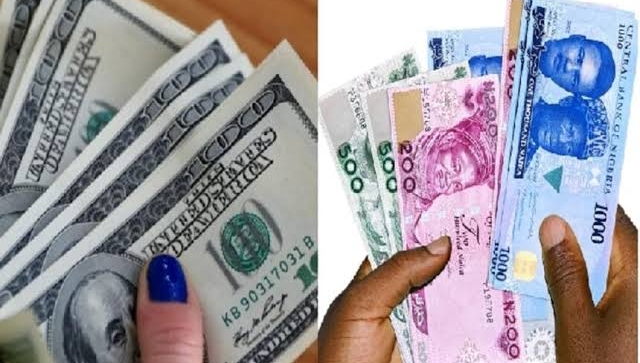
The naira traded at N1,329.34 per dollar at the Nigerian Foreign Exchange Market (NFEM), while the US currency exchanged for approximately N1,385 on the parallel market, leaving a gap of N55.66 between the two rates.
Official market data showed that the naira had remained within a narrow range of N1,327 to N1,332 per dollar during the early days of October, indicating limited fluctuations in the formal foreign exchange market.
Parallel market maintains higher dollar rate
In the parallel market, also known as the black market, the dollar traded at about N1,385, reflecting stronger pricing outside the official window.
The difference between the two rates highlights the varying conditions across Nigeria’s foreign exchange market, where individuals and businesses seeking dollars continue to contribute to demand in the parallel segment.
What is influencing the exchange rate?
The naira’s performance is influenced by dollar supply, demand from businesses and individuals, and liquidity conditions in the foreign exchange market.
The Central Bank of Nigeria’s monetary policy measures and foreign exchange management also play a role in shaping activity at the official window.
However, the higher parallel market rate shows that differences persist between the two segments.
Outlook for the naira
As the final quarter of 2026 progresses, movements in Nigeria’s foreign reserves and foreign exchange turnover will remain important indicators of the naira’s performance.
Changes in dollar availability and demand could also influence exchange rates in the coming weeks as market participants assess whether the relative stability at the official window will continue.