

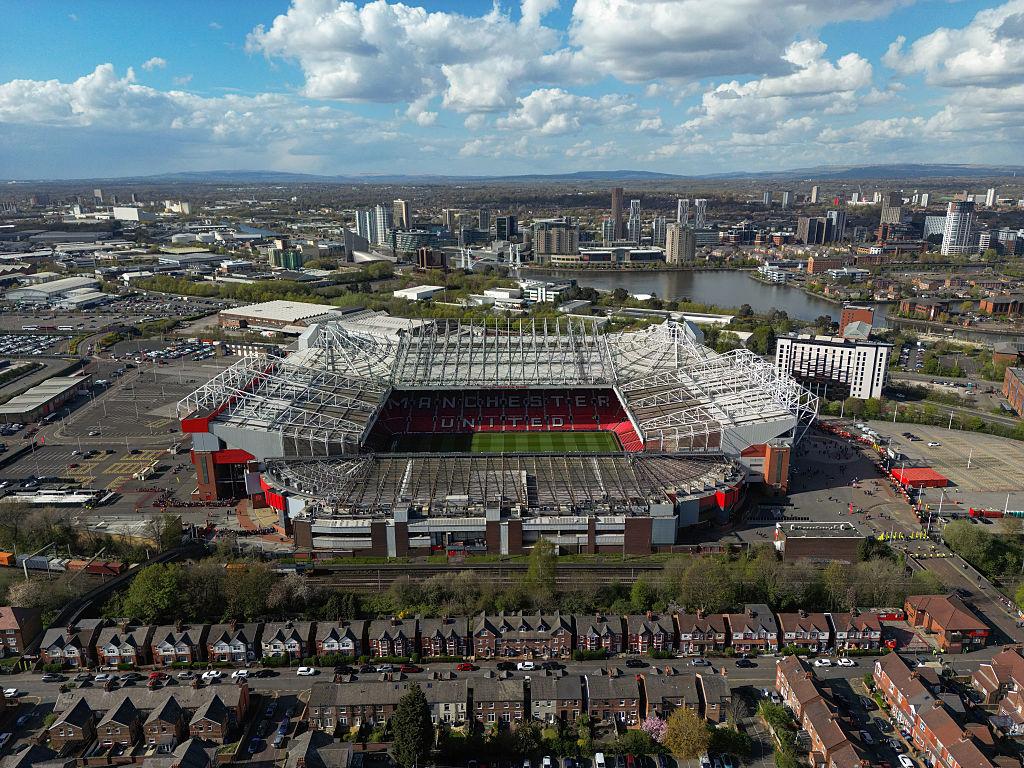
Manchester United’s financial position has come under renewed scrutiny after the club’s latest accounts showed that its total debt had climbed to about £1.15bn, while a separate financial ruling against Manchester City has intensified discussion around Premier League clubs’ finances.
United have paid an estimated £852m in net interest since the Glazer family completed its leveraged takeover of the club in 2005, according to football finance analyst Swiss Ramble.
The figure has gained fresh attention following a Premier League panel ruling that Manchester City overstated its income by more than £830m. The panel said City’s income had been “hugely overstated” by the amount.
The development came shortly after Manchester United published its accounts for the financial year ending June 30, 2026.
United’s latest figures showed that the club paid £37m in interest during the year, compared with £34m in the previous financial year.
The club’s overall debt increased to £1.15bn after it borrowed a further £90m. That compares with £667m recorded in its accounts for the year ending June 2021.
Despite the debt burden, United reported record revenue of £677.6m for the latest financial year and forecast revenue of between £710m and £760m for 2026-27.
Chief executive Omar Berrada said the results showed the club was moving in the right direction while stressing the need for continued financial discipline.
United also revealed that £191.7m had been committed to new players and related costs since June 30, with the payments scheduled to be made over the next five years.
The club’s transfer-related debt stood at £375m before the June 30 reporting date, including £218m due by June 30, 2027.
United could also face up to £122.8m in additional contractual payments if players already at the club meet agreed performance targets.
.
advertisement
In June, the club increased its main borrowing by $125m, equivalent to about £94.36m at the time, as part of a debt restructuring exercise.
The financial commitments extend beyond the playing squad. United confirmed in September that it had paid £63.5m for land intended for a proposed new stadium, although the club has not yet finalised how the wider stadium project will be financed.
Transfer income remains a challenge
United’s player sales have also become an important part of the club’s efforts to strengthen its finances.
By the close of the latest transfer window on September 1, the club had generated £47m from player sales, placing it 11th among Premier League clubs for transfer income.
Since Romelu Lukaku’s £74m move to Inter Milan in 2019, United have generated more than £25m from a player sale on only four occasions. Those deals involved Mason Greenwood, Scott McTominay, Rasmus Hojlund and Alejandro Garnacho.
The club has increasingly used sell-on and buy-back clauses in deals involving younger players, with the approach intended to provide opportunities for future transfer income.
United’s financial position has also remained a source of concern among some supporters, with protests against the ownership continuing.
The latest figures highlight the challenge facing the club as it seeks to invest in its squad while meeting existing debt obligations, transfer commitments and the costs associated with its proposed new stadium.
European competition is another significant financial factor for United. The club earned about £80m from its run to the Champions League quarter-finals in 2017-18, compared with £31m for reaching the Europa League final in 2024-25.
Under United’s current Adidas shirt agreement, the club could also lose £10m annually if it fails to qualify for the Champions League.
The figures underline the financial pressure surrounding the club, even as United continues to report strong commercial revenue and plans further investment in its football and infrastructure operations.