

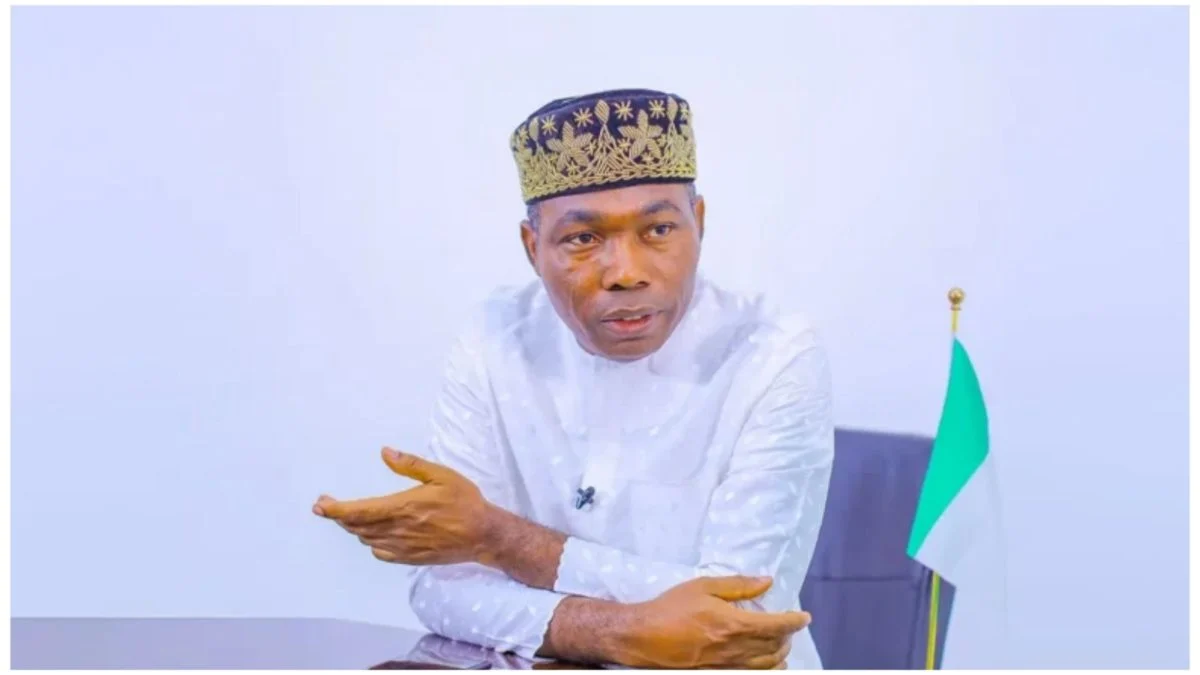
The presidential candidate of the Social Democratic Party (SDP), Adewole Adebayo, has pledged to reduce the prices of petrol, cooking gas and aviation fuel to N200 per litre within 12 months if elected president in 2027.
Adebayo made the pledge while speaking during the News Agency of Nigeria (NAN) Personality Interview Series in Abuja on Sunday.
He said the proposed price reduction would be achieved by reviving Nigeria’s existing refineries and creating an enabling environment for modular refineries to operate across the country.
According to him, Nigeria’s refineries remain serviceable despite their age, arguing that facilities that are less than 50 years old should not be considered obsolete when some refineries in the United States have operated for more than a century.
Adebayo also promised to restore what he described as the original petrol subsidy arrangement, under which 450,000 barrels of crude oil were reserved for domestic consumption.
He said the government would sell other products derived from the crude, including naphtha, heavy fuel oil, diesel and kerosene, and use the proceeds to maintain regulated prices for petrol, cooking gas and Jet A1.
“SDP will pick cooking gas, petrol and Jet A1; those three, we will put them under a regime where the price does not go past N200,” he said.
The SDP candidate argued that the continued debate over fuel subsidy had diverted attention from what he described as the more fundamental challenge of inadequate domestic refining capacity.
Adebayo maintained that Nigeria should prioritise refining its crude oil locally instead of relying heavily on imported petroleum products sold at international prices.
He also rejected the argument that subsidy removal alone would resolve the country’s fiscal challenges, describing the subsidy debate as a “red herring.”
According to him, an SDP administration would ensure that existing refineries are functional while encouraging the establishment of additional modular refineries to meet domestic demand.
Beyond petroleum pricing, Adebayo linked his proposed fuel policy to a broader transportation plan aimed at reducing the cost of movement for Nigerians.
He pledged to expand public transportation and rail services, proposing a system where workers and students could access public transport using employment and student identification cards without direct payment.
He said employers would contribute six per cent of workers’ salaries towards transportation under the proposed arrangement.
Adebayo further promised to cap housing costs at seven per cent of workers’ salaries, while pledging free education and healthcare under an SDP government.
“The summary of it is that transportation costs cannot go more than six per cent of your salary and housing costs should not be more than seven per cent of your salary; education and healthcare should be free,” he said.
He added that his administration would also prioritise agriculture and food security to make food more affordable and reduce the pressure of living costs on Nigerians.
In another development, the Independent National Electoral Commission (INEC) has warned politicians and political parties against using abusive, inflammatory or inciting language during campaigns ahead of the 2027 general elections.
The Commission said offenders risk hefty fines and imprisonment under the Electoral Act 2026, amid growing concerns over threats and inflammatory remarks by political actors against voters and other stakeholders.
Chief Press Secretary/Media Adviser to the INEC Chairman, Adedayo Oketola, gave the warning in a telephone interview on Sunday.
Oketola said campaign rhetoric becomes electoral intimidation when it goes beyond legitimate political criticism and degenerates into coercion, hate speech, threats of violence or statements capable of provoking hostility against individuals or groups.
He cited Section 96 of the Electoral Act 2026, which prohibits campaign language capable of injuring religious, ethnic, tribal or sectional sentiments.
According to him, the law also prohibits “abusive, intemperate, slanderous or base language, insinuations, innuendoes designed or likely to provoke violent reaction or emotions” during political campaigns.
Oketola explained that threats of physical violence, economic retaliation or social punishment aimed at forcing voters to support or reject a candidate could also amount to electoral intimidation.