

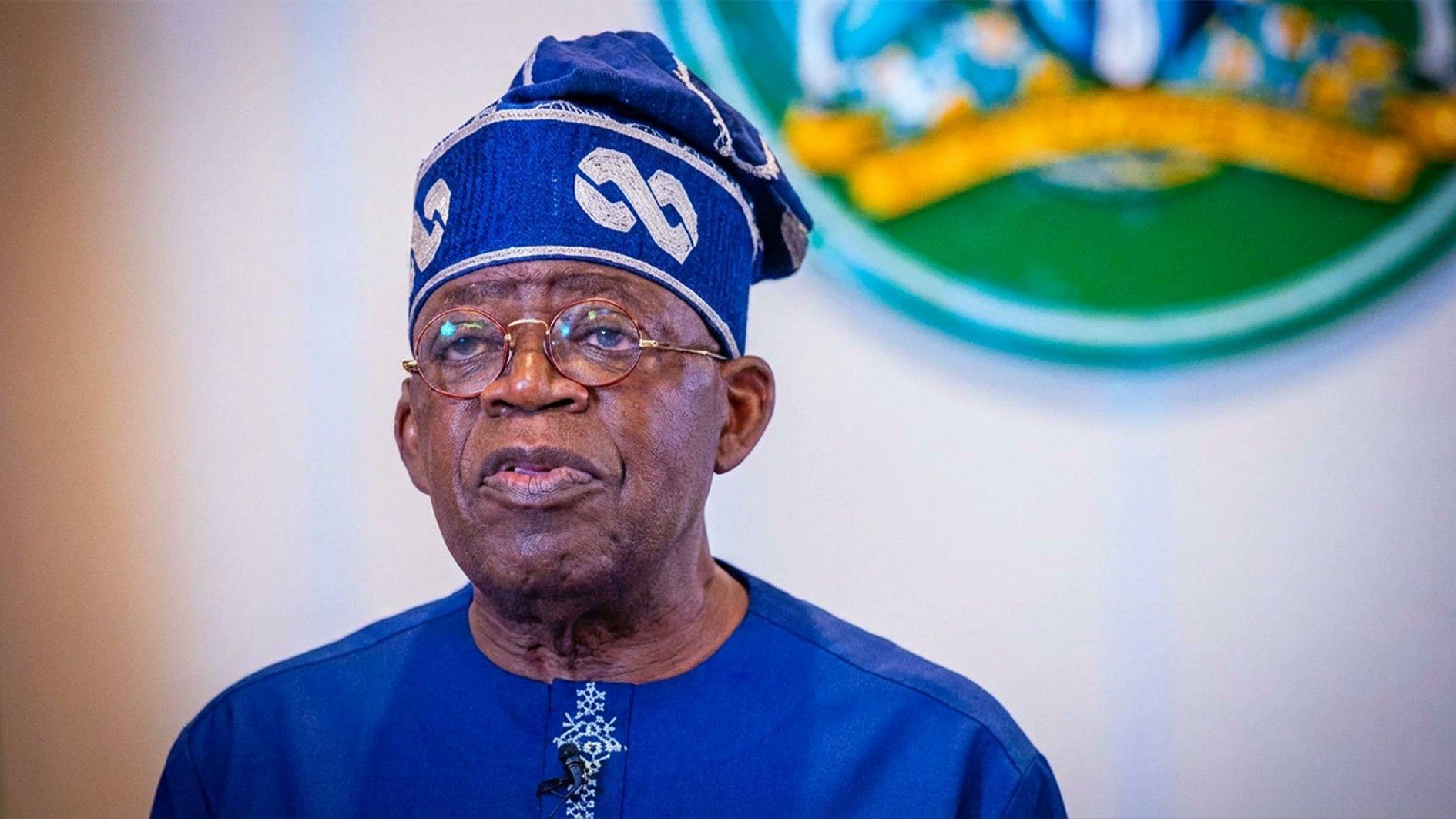
President Bola Tinubu has defended his administration’s economic reforms as necessary to put Nigeria on course for a $1 trillion economy by 2030, while former Vice President Atiku Abubakar has criticised the policies and questioned why Nigerians had to endure prolonged hardship before the government began promising relief.
Tinubu, represented by the National Chairman of the All Progressives Congress, Prof Nentawe Yilwatda, spoke on Tuesday at the second edition of the Asiwaju Scorecard Series and Policy Roundtable in Abuja.
He said reforms including the removal of fuel subsidy, changes to the foreign exchange system, stronger revenue mobilisation and infrastructure investment were laying the groundwork for economic stability and long-term growth.
Atiku, the African Democratic Congress presidential candidate, has meanwhile continued to challenge the administration’s economic direction as political activities ahead of the 2027 general elections intensify.
Through his Senior Special Assistant on Public Communication, Phrank Shaibu, Atiku argued that recent promises of cheaper transportation, higher food production and support for vulnerable Nigerians amounted to a late response to the cost-of-living pressures Nigerians had faced for years.
Tinubu cites economic gains
Representing the President, Yilwatda said the administration inherited an economy affected by fuel subsidy distortions, multiple exchange-rate windows, weak revenue collection, foreign-exchange shortages, high debt-service pressures and inadequate infrastructure investment.
He said Tinubu therefore chose to implement difficult reforms, including the removal of petrol subsidy and restructuring of the foreign exchange market.
The President’s representative cited several indicators which he said showed that the reforms were beginning to strengthen the economy.
He said Nigeria’s gross external reserves had risen to about $52.7 billion by August 2026, while consolidated non-oil revenue increased from approximately N13.63 trillion in 2023 to N16.4 trillion in the first two quarters of 2026.
Yilwatda also said Nigeria’s merchandise trade surplus had increased from about N44.8 billion for the whole of 2023 to approximately N7.54 trillion in the first quarter of 2026.
Real GDP, he added, expanded by 4.43 per cent in the second quarter of 2026, while inflation had dropped from its earlier peak to about 15.4 per cent.
He acknowledged that the figures did not mean Nigeria’s economic difficulties had disappeared, stressing that improved macroeconomic stability would only become meaningful when it translated into lower food prices, more jobs, affordable credit, dependable electricity and stronger purchasing power.
$1tn economy target
Tinubu said the administration’s ambition of building a $1 trillion economy by 2030 was about more than achieving a headline economic figure.
He said the goal was to increase production and exports, attract investment, create employment and give young Nigerians greater opportunities.
The President identified infrastructure as a major requirement for achieving the target and highlighted roads, railways, ports, energy and digital connectivity under the Renewed Hope Agenda.
He proposed an integrated maritime and logistics network built around five major deep-sea ports in Lagos, Ondo, Ibom, Port Harcourt and Calabar.
According to Tinubu, those ports should be linked to modern rail and road networks, including the Lagos-Calabar Coastal Super Highway.
He also outlined western and eastern transport corridors intended to connect the coastal gateways with major cities, production centres and markets across northern Nigeria and the wider Sahel region.
Tinubu said the proposed network could strengthen Nigeria’s position as a logistics and commercial hub for West and Central Africa while creating opportunities in shipping, warehousing, manufacturing, agriculture, banking, insurance and distribution.
He also identified the Ajaokuta-Kaduna-Kano gas pipeline and Nigeria’s gas resources as important to expanding electricity generation, fertiliser production, manufacturing and industrialisation.
Focus on young Nigerians
The President also highlighted government programmes aimed at increasing opportunities for young people.
He said the Nigerian Education Loan Fund was expanding access to higher education, while technical and vocational programmes were providing grants and skills development.
Tinubu also cited digital training initiatives and the Consumer Credit Corporation, CREDICORP, as measures intended to improve access to productive credit for workers, entrepreneurs and businesses.
He described these programmes as investments in Nigeria’s productive capacity and in the young population expected to drive future economic growth.
APC defends subsidy removal
Earlier, Chairman of the APC Professionals Forum’s Board of Trustees, Dr Isa Yuguda, defended the removal of petrol subsidy.
Yuguda said his experience heading the 2009 Fuel Subsidy Task Force exposed what he described as widespread fraud and financial leakages within the subsidy system.
He claimed the reform had saved more than N15 trillion, creating additional fiscal space for sectors including education, agriculture, security and infrastructure.
He warned that returning to the previous subsidy arrangement could undermine those gains.
Yuguda also criticised Atiku’s proposal to restore subsidy, arguing that Nigerians should carefully assess such promises ahead of the 2027 election.
Atiku challenges Tinubu
Atiku’s camp, however, rejected the government’s presentation of the reforms and questioned their impact on ordinary Nigerians.
Shaibu said the central issue was not a personal disagreement between Tinubu and Atiku but the growing difficulty many Nigerians face in meeting basic needs.
He argued that the government should have prioritised reducing the cost of living earlier rather than introducing relief measures after years of hardship.
Atiku’s camp particularly defended proposals aimed at reducing energy costs, arguing that cheaper fuel would lower transportation and production expenses and eventually reduce the prices of food and other essential goods.
According to the statement, Atiku’s economic plan would support Nigerian crude supplied for domestic refining through a capped and transparently budgeted framework, with mechanisms for monitoring crude supplies, refined products and the extent to which savings reach consumers.
The former vice president’s camp argued that lowering fuel costs would have a chain effect across the economy, reducing the cost of transporting agricultural products and manufactured goods.
Atiku questions subsidy savings
Atiku also demanded greater clarity over the financial benefits Nigerians have received from the removal of petrol subsidy.
His camp cited the Federal Government’s claim that subsidy removal generated about N15.8 trillion between June 2023 and December 2025 and questioned what measurable benefits ordinary Nigerians had received in exchange for the sacrifice.
The former vice president also criticised the government’s student loan policy, arguing that borrowing for education does not necessarily make education affordable.
His camp said Atiku would seek to reduce the underlying cost of education and consider debt forgiveness for qualifying student borrowers.
The opposition camp further called for explanations concerning figures involving about N30 trillion in Federation Account revenues, deductions, savings and transfers.
It also questioned Import Duty Exemption Certificate approvals reportedly covering imports worth about N34 trillion in 2025, asking the government to disclose the beneficiaries, values, legal basis and benefits associated with the exemptions.
Atiku’s camp argued that Nigerians were justified in asking why relief measures were being announced as the 2027 elections draw closer.
Economy takes centre stage ahead of 2027
The exchange highlights how economic policy is likely to become a major issue in the political contest ahead of the 2027 general elections.
The Tinubu administration is presenting its reforms as difficult measures needed to create long-term economic stability and growth, while Atiku and other opposition figures continue to focus on the immediate impact of rising living costs and household pressures.
With fuel prices, food costs, wages, education, employment and social support expected to remain central to public debate, the competing economic visions are likely to receive increasing attention as the 2027 political contest develops.