

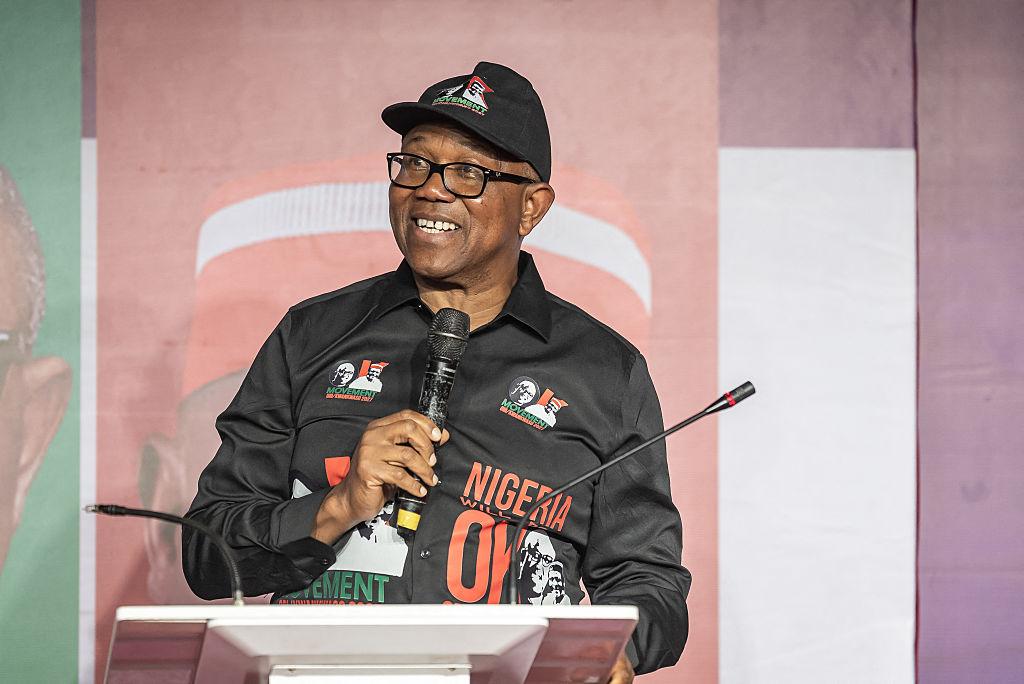
Presidential candidate of the Nigeria Democratic Congress (NDC), Peter Obi, has called on President Bola Tinubu to provide clear explanations over questions surrounding his educational history.
Obi made the call in a statement shared on his official social media account, where he criticised efforts to prevent the public release of foreign court records relating to the President’s past.
The former Anambra State governor described the situation as embarrassing for Nigeria, arguing that matters considered to be of legitimate public interest should not be shielded from scrutiny through legal proceedings.
According to Obi, leadership requires the courage to confront questions about one’s past, accept responsibility for mistakes and provide honest explanations when legitimate concerns are raised.
He argued that a leader’s authority is strengthened when they take responsibility for their actions rather than relying on legal battles to keep public records away from scrutiny.
Obi said the issue was particularly important because it concerns questions about foundational primary and secondary school credentials, which he believes should be resolved through clear and verifiable explanations rather than prolonged court disputes.
“Nigerians deserve clear, credible, and verifiable explanations,” Obi said, stressing that questions surrounding a leader’s educational background require straightforward answers.
The NDC presidential candidate also raised concerns about the example such controversies could set for young Nigerians, particularly the more than 30 million students currently pursuing their education.
He maintained that the Presidency, as the country’s highest political office, should uphold the principles of integrity, accountability, transparency and ethical conduct.
Obi acknowledged that everyone is capable of making mistakes, but said responsible leadership is demonstrated by the willingness to confront past errors, make amends where necessary and put the interests of the country above personal political considerations.
He further argued that although presidential tenure is temporary, the standards and moral examples established by occupants of the office can influence future generations.