

Excess mortality researcher Denis Rancourt, Ph.D., has told Canadian lawmakers that unusual mortality patterns following the rollout of COVID-19 vaccines warrant urgent investigation, while arguing that pandemic-era government policies also contributed to excess deaths.
Rancourt made the claims last week during the opening day of the Allison Inquiry, a four-day hearing chaired by Canadian Member of Parliament Dean Allison. The inquiry is examining the experiences of Canadians who reported injuries following COVID-19 vaccination, alongside testimony from physicians, scientists and other witnesses.
In his presentation, Rancourt said his analysis of official mortality statistics from Statistics Canada and the United States Centers for Disease Control and Prevention (CDC) revealed what he described as “screaming safety signals” after COVID-19 vaccination campaigns began.
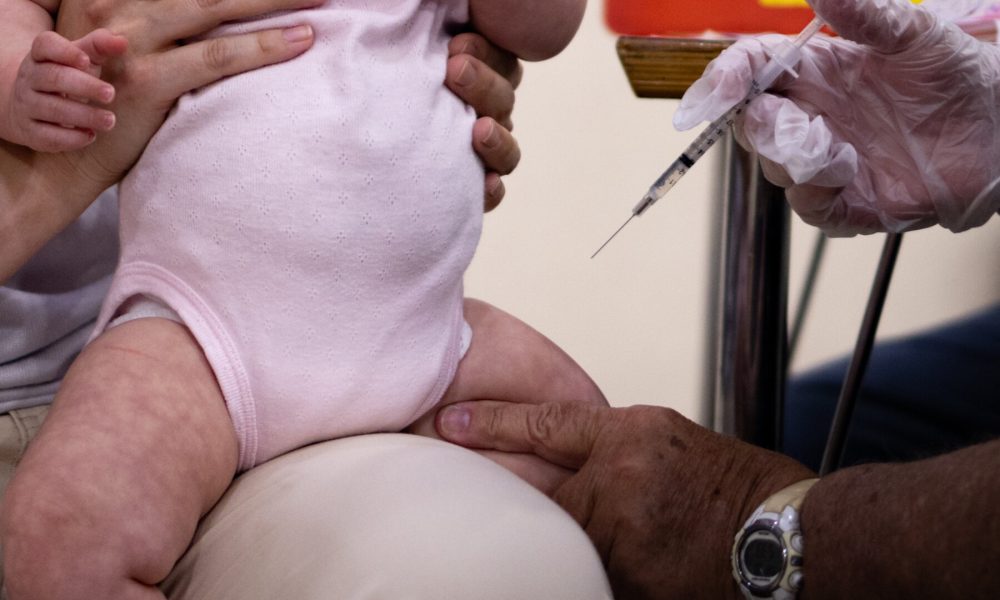
He estimated that the United States recorded approximately 4,000 excess infant deaths between 2022 and 2024. According to his analysis, infant mortality, which had been declining before the pandemic, began rising in 2022, about nine months after COVID-19 vaccination was recommended for pregnant women.
Rancourt also cited an estimated 200 excess infant deaths in Canada, alongside 10 pregnancy-related deaths, following the country’s vaccination guidance for pregnant women in May 2021.
READ ALSO; Djokovic reopens COVID vaccine debate as pandemic-era controversies face fresh scrutiny
He further claimed that more than 2,000 excess deaths occurred among American children aged one to four between 2021 and 2024. He linked the largest increase to the period following the June 2022 authorisation of COVID-19 vaccines for young children.
Rancourt said Canadian mortality data showed similar increases among children aged one to four, five to nine, and 10 to 14 during the years vaccines became available to those age groups.
Rancourt also presented data on cancer deaths, including rapidly progressing cancers sometimes referred to as “turbo cancers.”
He said his analysis identified more than 4,000 excess cancer deaths among Americans aged five to 44 during the period under review, including approximately 960 deaths among people aged five to 24.
He described increases in deaths involving cancers of the long bones and limbs as a potential safety signal. He also estimated approximately 240 excess deaths involving multiple primary cancers among Americans aged 25 to 44.
However, Rancourt acknowledged that excess mortality statistics alone cannot conclusively establish the cause of individual deaths.
The researcher also attributed excess mortality to government responses to COVID-19, including lockdowns, isolation of elderly people, business closures and reductions in financial support.
He said his team’s analysis of more than 80 socioeconomic variables in Canada found a strong correlation between excess mortality and provincial GDP per capita.
Rancourt further argued that measures intended to protect elderly people, particularly isolation and lockdown policies, coincided with mortality peaks. He described subsequent periods of lower mortality as evidence of a “dry tinder effect,” in which deaths during an earlier period reduce the number of vulnerable people available to die later.
He also claimed that mortality increased after pandemic-era financial assistance was reduced in Canada and the United States.
During his testimony, Rancourt disputed the view that a spreading respiratory virus was the primary cause of excess mortality during the pandemic.
He argued that geographic mortality patterns in North America and Europe did not consistently match the expected pattern of person-to-person viral transmission, citing differences between Milan and Rome in Italy as an example.
Rancourt concluded that COVID-19 vaccines and government policies caused widespread harm during the pandemic period.
Nevertheless, his testimony represented his interpretation of mortality data, and the figures and causal conclusions he presented would require independent verification and assessment against other epidemiological research.
The Allison Inquiry is expected to hear further testimony from individuals reporting vaccine-related injuries, medical professionals, scientists and other witnesses during its four-day proceedings.