

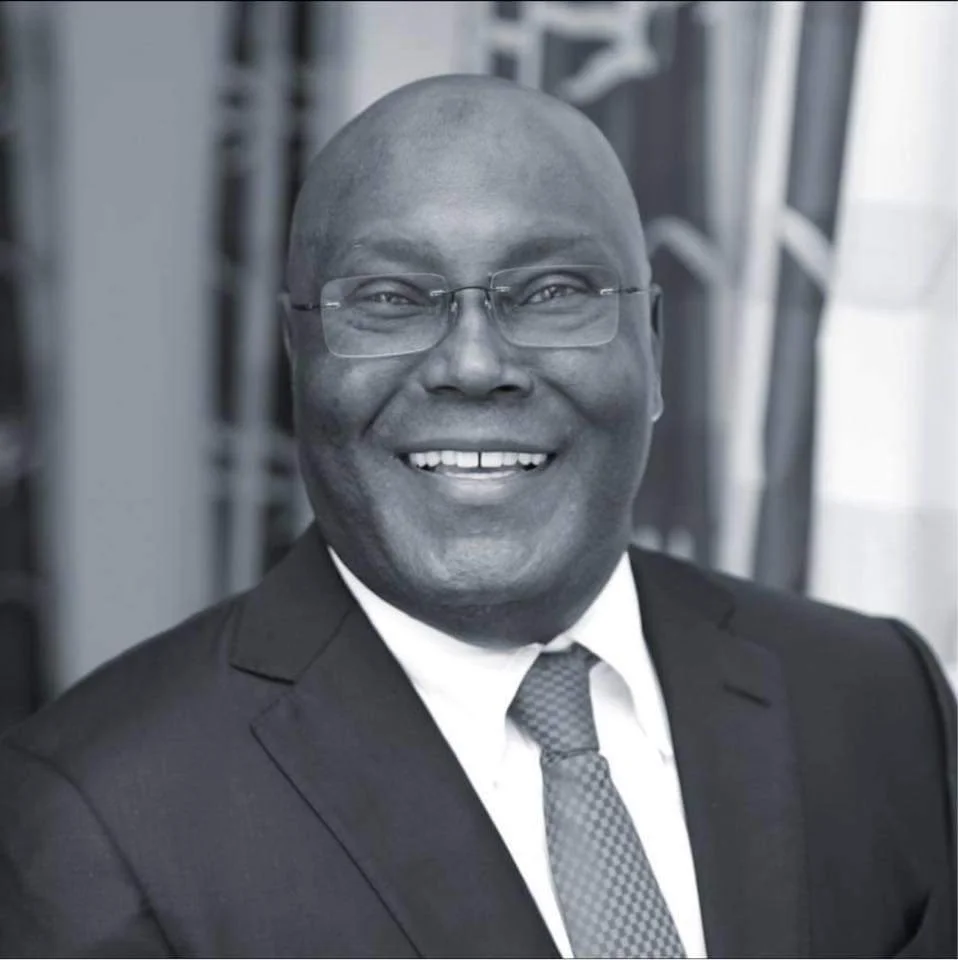
The African Democratic Congress (ADC) presidential candidate and former Vice President, Atiku Abubakar, has raised concerns over reports of young Nigerians allegedly selling their kidneys to survive, blaming the development on the economic hardship under President Bola Tinubu’s administration.
Atiku said the reported trend was a disturbing indication of the extent to which the rising cost of living was pushing vulnerable young Nigerians into desperate measures to meet their basic needs.
In a statement issued via his social media platforms on Friday, the ADC candidate said he had heard disturbing accounts of the lengths to which young Nigerians were being driven simply to survive. He described reports of young people selling parts of their bodies, particularly their kidneys, as among the most horrifying.
According to him, young Nigerians should be channeling their energy into developing ideas, building businesses and creating innovations rather than considering the sale of their body organs as a means of raising money.
Atiku criticised the Tinubu administration over the rising cost of basic necessities, noting that food, transportation, rent, school fees, medicine and electricity had become increasingly expensive.
He said young Nigerians should be building careers, establishing businesses, raising families and pursuing their aspirations rather than calculating how much their body organs could fetch to help them survive.
“In Tinubu’s Nigeria, almost everything required to live with dignity is becoming more expensive by the day: food, transport, rent, school fees, medicine and electricity. Yet young Nigerians are reportedly being driven to sell their kidneys for as little as ₦1.7 million,” he said.
He argued that the point at which young people begin to regard their kidneys as a form of emergency savings represented something beyond ordinary economic hardship, describing it as “desperation at its most frightening.”
Atiku described the reported kidney sales as part of the human cost of the country’s cost-of-living crisis and said the situation should prompt serious reflection on the direction of Nigeria’s economic policies.
The former vice president acknowledged that Nigeria has laws prohibiting commercial organ sales and organ trafficking, but argued that legislation alone would not address the poverty and desperation that leave vulnerable Nigerians exposed to criminal networks.
According to him, the government must tackle the underlying economic conditions that make people susceptible to exploitation, rather than relying solely on laws to prevent organ trafficking.
The former Vice President also criticised governments for celebrating economic reforms without adequately considering their impact on ordinary Nigerians, insisting that economic policies must have a human face.
He called for measures to make food and transportation more affordable, improve access to healthcare, create decent employment opportunities and restore hope among young Nigerians.