
Why is Trump’s ballroom a national security matter? Bomb shelters, military facilities explained

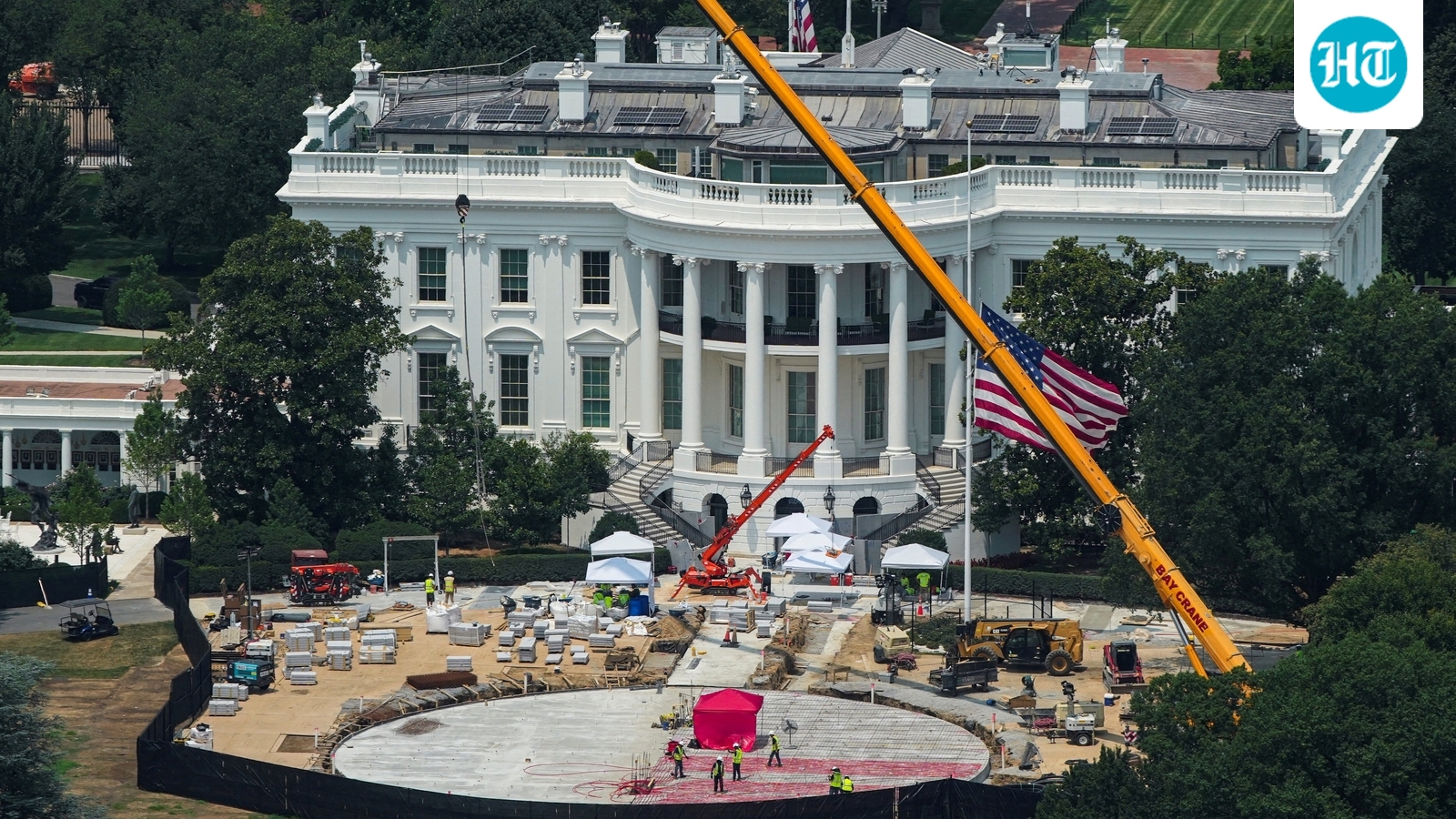
President Donald Trump has repeatedly argued that his proposed $400 million White House ballroom is not simply an event space but a project tied to presidential protection and national security. That claim is now at the center of a legal fight after a federal appeals court blocked construction of the main building while allowing certain security-related work to continue.
Trump says the roughly 90,000-square-foot ballroom is designed to incorporate security infrastructure into the White House complex.
In a social media post following the court ruling, he described the project as essential to protecting the country and said the complex was being built “for the protection of our Country.”
What security features are planned?
According to Trump, the ballroom would include an extensive range of protective features beyond a traditional reception hall.
He said the building would contain “Bomb Shelters, State of the Art Hospital and Medical Facilities, Protective Partitioning, Top Secret Military Facilities” as well as structures intended to withstand missile attacks.
Trump also listed missile-resistant steel columns, roofs and beams, drone-resistant ceilings and roofs, military-grade ventilation and bullet-, ballistic- and blast-proof glass.
The president has additionally promoted plans for a drone port on the roof. He has shared AI-generated images showing armed guards, military vehicles and drones surrounding the proposed structure.
Also Read: Did Trump use $352M Secret Service funds for White House ballroom? Report makes explosive claim
“It is all tied together as one big, expensive, and very complex unit, which is vital for National Security and Military Operations of the United States of America!” Trump wrote.
Why does Trump say it is necessary?
Trump has argued that the ballroom would provide a safer venue for large gatherings at the White House.
After gunfire disrupted the White House Correspondents Dinner in April, he told reporters that the security measures planned for the ballroom were “what you need,” suggesting the facility could host future correspondents’ dinners and other high-profile events with enhanced protection.
His argument is that the project combines ceremonial space with hardened security infrastructure rather than creating a standalone ballroom.
Why did the court reject the argument?
The federal appeals court did not dispute that security features could be necessary. Instead, the judges ruled that national security concerns do not give the president unlimited authority to alter the White House without congressional approval.
Judges Patricia Millett and Bradley Garcia wrote that national security is not an “automatic get-out-of-the-law-free card” and said major changes to the White House complex must be authorized by Congress.
Also Read: Trump White House ballroom using foreign steel: Report causes massive outrage; ‘so much for America First’
Judge Neomi Rao dissented, arguing the government should not have to depend on court approval to secure the president’s home and office.
What work can continue?
The ruling does not stop every part of the project. Underground construction connected to national security facilities, presidential protection and securing the White House construction site can continue under the existing court order.
The legal dispute therefore focuses on the main ballroom structure, while work tied specifically to bomb shelters, military facilities and other security infrastructure remains permitted as the administration prepares to appeal to the Supreme Court.